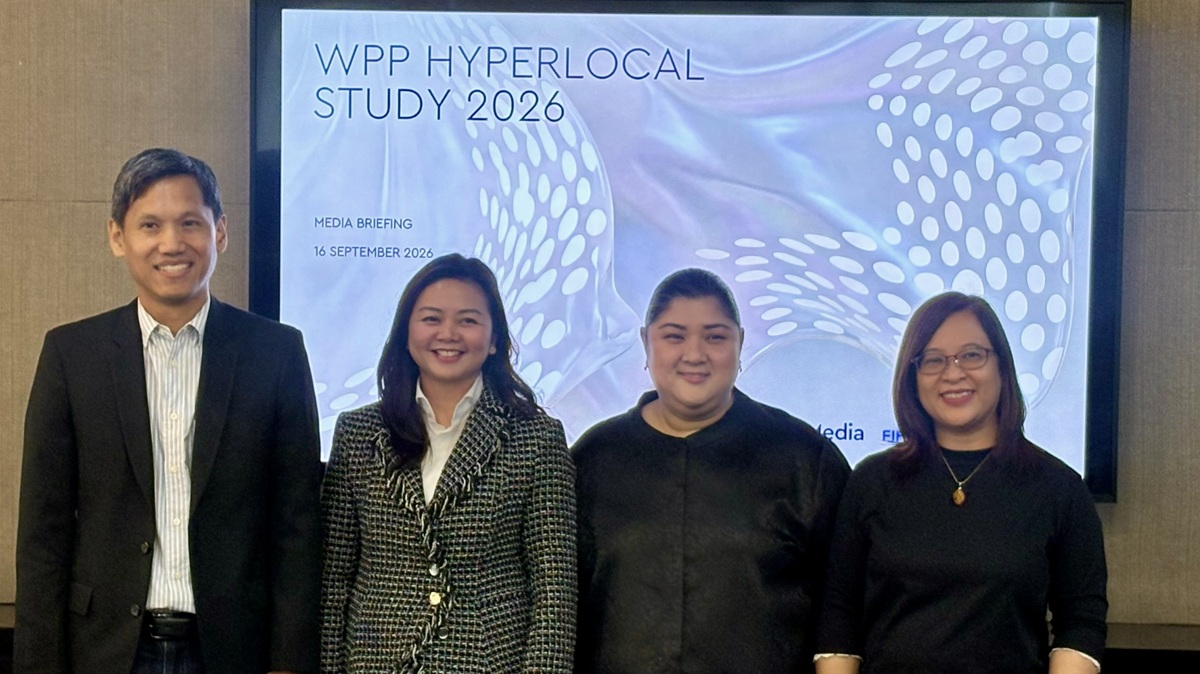
The 2026 Philippine Hyperlocal Study outlines six strategic themes and a three-step playbook to bridge the gap between digital discovery and cash-led conversations for rural households
For years, brands have approached rural marketing in the Philippines as a visibility challenge, operating on the assumption that reaching consumers on screen will naturally translate into sales. However, a landmark study released this week by Ogilvy, WPP Media, and Fifty5Blue reveals that winning over rural households is not simply about reaching more people—it is about building a customer journey they can trust.
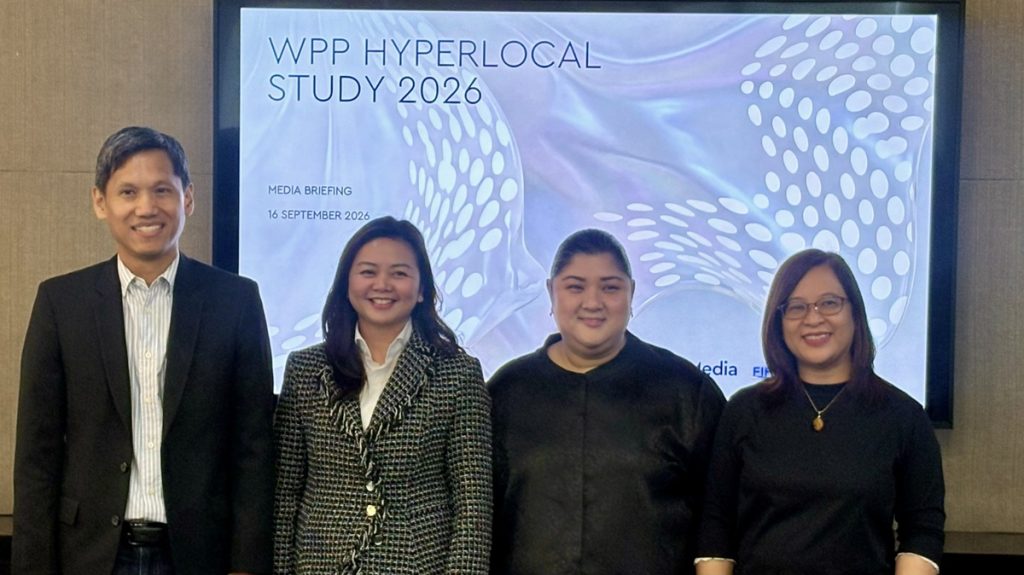
Titled “2026 Philippine Hyperlocal Study: The Rural Consumer You Think You Know,” the research uncovers a compelling reality about consumers across the Philippine countryside. Rural Filipinos are young, digitally connected, and ambitious, yet highly disciplined when it comes to managing their money.
Representing 28.7 million people in the SEC D/E mass market, more than three-quarters of this audience belong to Gen Z or the Millennial generation. Nearly 92% have internet access at home, while 97.9% of connected households use mobile phones to access the internet.
These consumers are constantly scrolling, discovering new products, and engaging with digital content. Yet every purchase decision must ultimately make sense for the household budget.
Six Strategic Themes Shaping Rural Consumer Choices
To help marketers navigate this evolving landscape, the study identifies six core themes that influence how rural consumers discover, evaluate, and purchase brands.
1. Modern rural life is connected and expanding
Digital tools and familiar local habits now coexist in everyday rural life. Today’s rural consumers are contemporary, ambitious, and discerning. Brands must move beyond outdated stereotypes and develop media strategies that balance expanding digital behaviors with established local channels.
2. Apps are the front door to discovery
Rural consumers rarely rely on open-web browsing to discover products. Instead, discovery takes place directly within apps through social media feeds, short-form videos, creator content, search results, and marketplace listings.
This means creative content must communicate its message immediately. Brands need ideas that arrive fully formed and are instantly understandable from the first frame or scroll.
3. Digital discovery often leads to practical purchases
Although consumers frequently discover products online, purchasing decisions remain grounded in practical realities. More than half of rural social media users actively purchase through platforms such as TikTok Shop. However, 100% of respondents report using cash as a payment method, compared with just 21% who use digital wallets or credit cards.
Media and creative strategies must therefore connect online interest with practical purchasing options, including cash on delivery (COD), flexible returns, and availability at local stores.
4. The household shapes the meaning of value
In the rural mass market, purchasing decisions are often made with the collective good of the household in mind. Value extends beyond price and is measured by how a product contributes to family progress—whether by helping families provide for loved ones, protect them, reduce their worries, or make everyday life easier.
5. Newness becomes more compelling when supported by proof
Rural consumers may be open to new products and ideas, but adoption depends on trust. While 84% watch content creators, 92% fact-check information before sharing it, and 69% trust established journalists over vloggers for verified facts. Furthermore, 91% prefer household brands they have trusted for a long time.
Innovation becomes more persuasive when proof is built directly into the creative message through demonstrations, comparisons, real-life experiences, and guarantees.
6. Rural Philippines encompasses different consumer environments
Differences in geography, generation, connectivity, and income create distinct purchasing environments across rural communities.
Rather than applying a one-size-fits-all approach, brands should establish a strong overarching brand promise that can be adapted through locally relevant expressions, cultural cues, and tailored media mixes for different regions and generations.
The Three-Step Growth Path to Conversion
The research highlights a significant disconnect between how rural Filipinos discover products and how they pay for them.
Although more than half of rural social media users report purchasing through platforms such as TikTok Shop, all respondents report using cash as a payment method, while 21% also use online payment methods. For e-commerce to succeed, online excitement must translate into accessible purchasing options, including cash on delivery, flexible returns, and product availability within local communities.
“Rural Philippines is far from uniform; meaningful connection only happens when you understand the regional context and generational habits of each rural community or audience. Moving past broad clichés is how one can connect and unlock genuine rural growth,” said Crisela Magpayo-Cervantes, CEO of WPP Media Philippines.
The study also shows that while attracting attention may be relatively easy, building purchase confidence requires more work. Although 84% of rural consumers watch content creators, 92% fact-check information before sharing it, and nearly 69% trust established journalists more than vloggers for verified facts.
Additionally, 91% prefer long-trusted household brands over unfamiliar alternatives. For marketers, the implication is clear: novelty alone is not enough. Brands must demonstrate how a new product can improve everyday life and make daily tasks easier.
Rather than stretching budgets to develop separate campaigns for every age group, the study recommends building one strong brand promise supported by three distinct layers of proof:
- For Gen Z: Create talkable, shareable social media hooks that encourage engagement and discovery.
- For Millennials: Demonstrate budget efficiency and everyday utility.
- For Gen X: Emphasize brand heritage, product quality, and expert credibility.
To turn digital engagement into actual cash sales, the 2026 Philippine Hyperlocal Study presents a clear, action-oriented playbook:
- Trigger: Use creators, short-form videos, and cultural hooks to make products desirable and worth talking about.
- Translate: Give families clear evidence of everyday value, savings potential, and practical usefulness.
- Reassure: Reduce purchasing risks through cash-compatible payment options, local store availability, and verified product performance.
“Brands need to create from the vibrant energy of modern rural life,” said Elly Puyat, Ogilvy CEO. “Rural consumers are contemporary, ambitious, discerning, with digital tools and familiar local habits naturally existing together. The biggest creative revelation from the study is that conversion is simply desire made safe enough to act on. Winning brands don’t need three separate campaigns – they need one authentic brand promise grounded in the right proof for every generation.”
The study challenges long-standing assumptions about rural consumers and highlights the need for a more sophisticated understanding of their motivations, priorities, and purchasing behaviors. This perspective underscores the significance of the research, as emphasized by its research partner, Fifty5Blue Philippines.
“Fifty5Blue is proud to partner with WPP Media and Ogilvy on this groundbreaking study, which challenges the idea that the rural Filipino is simply an urban consumer at an earlier stage of development,” said Jay Bautista, Managing Director of Fifty5Blue Philippines. “The 2026 Philippine Rural Study shows that rural Filipinos are already connected, discerning and aspirational—and that growth depends on understanding how trust is built, value is proven and purchase decisions are made within the household.”
To help business leaders apply these findings to their respective categories, Ogilvy and WPP Media are offering customized data cuts and tailored deep dives into the 2026 Philippine Hyperlocal Study dataset.
Interested organizations can contact Toni Tiu at toni.tiu@ogilvy.com or Omar Carlos at omar.carlos@wppmedia.com to arrange a customized presentation for their brand teams.