Rising fuel costs are pushing ride-hailing drivers in the Philippines to rethink how they stay on the road, as a new electric vehicle (EV) rental model gains attention for its promise of lower daily operating costs and more predictable earnings.
In Metro Manila’s dense and fast-moving ride-hailing economy, even small fluctuations in fuel prices can significantly affect a driver’s take-home pay. For many, profit margins are now measured in a few hundred pesos per day—making fuel volatility a growing burden rather than a background concern.
“I’ve been driving for almost eight years, and lately it feels like I’m working just to keep up with fuel,” said Arnel Dizon, a Metro Manila-based ride-hailing driver. “Some days, you start with a full tank and by the end of the shift, a big part of what you earned is already gone.”
Dizon had long been considering a shift to electric vehicles after hearing peers talk about lower charging costs. But like many drivers, the idea remained in the realm of long-term planning—important, but difficult to act on immediately. A new EV purchase meant a substantial down payment and months, if not years, of recovery time. Staying with a gasoline vehicle meant continuing with unstable operating costs.
One afternoon, while waiting for his next booking and scrolling through TikTok, Dizon came across a post introducing a new EV rental model tailored for service drivers. The concept was straightforward: access a commercially licensed electric vehicle without outright ownership, with rental fees starting at around ₱1,000.
“You don’t have to buy the car outright,” he said. “You can rent it, start earning right away, and your costs are easier to manage.”
The model is part of a new mobility initiative from VinFast, which has been steadily expanding its presence in the Philippine market with a growing portfolio of battery electric vehicles and supporting infrastructure. The rollout is set to begin in major urban centers such as Metro Manila before expanding to other key cities.
VinFast’s local footprint has been strengthening as well. The company ended 2025 as the No. 2 battery electric vehicle brand in the Philippines, according to the Chamber of Automotive Manufacturers of the Philippines Inc. Alongside vehicle expansion, it has been building out its charging ecosystem—an essential factor in improving EV adoption for everyday use.
A major component of its current approach is cost reduction through charging incentives. Under its existing policy, drivers can charge for free at V-Green stations until March 2029, effectively removing one of the most significant recurring expenses in vehicle operation.
For Pasig-based driver Alvarado, that detail proved decisive.
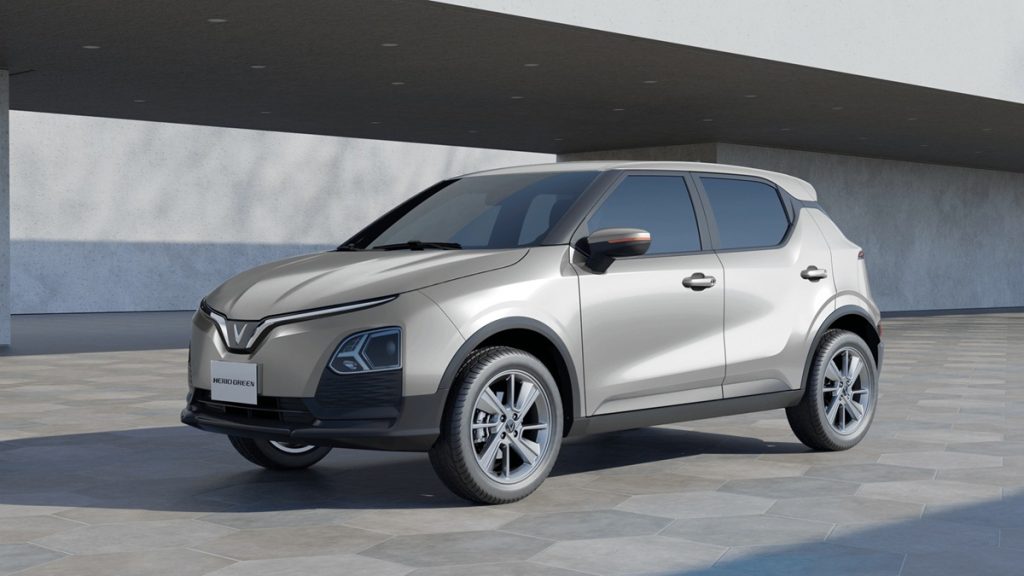
“The free charging was what sold me, and I actually visited a VinFast dealership over the weekend to ask about registration,” he said, noting his interest in the 5-seater Herio Green.
The Herio Green, a variant of the VF 5 designed for commercial use, is among the EVs included in the rental program, alongside the larger 7-seater Limo Green. Both are positioned specifically for service and fleet applications, aligning with the daily demands of ride-hailing operations.
Alvarado has already begun comparing operational costs. A typical ride-hailing driver covering 200 to 300 kilometers per day can accumulate 6,000 to 9,000 kilometers monthly. At that level of usage, a comparable gasoline vehicle may require ₱24,000 to ₱36,000 in fuel per month, depending on traffic conditions and driving behavior.
With the Herio Green under current incentives, energy costs are effectively reduced to zero, creating a substantial monthly differential. For drivers like Alvarado, those savings can translate into additional household budget flexibility. Over the course of a year, he estimates potential savings of roughly ₱300,000 to over ₱400,000.
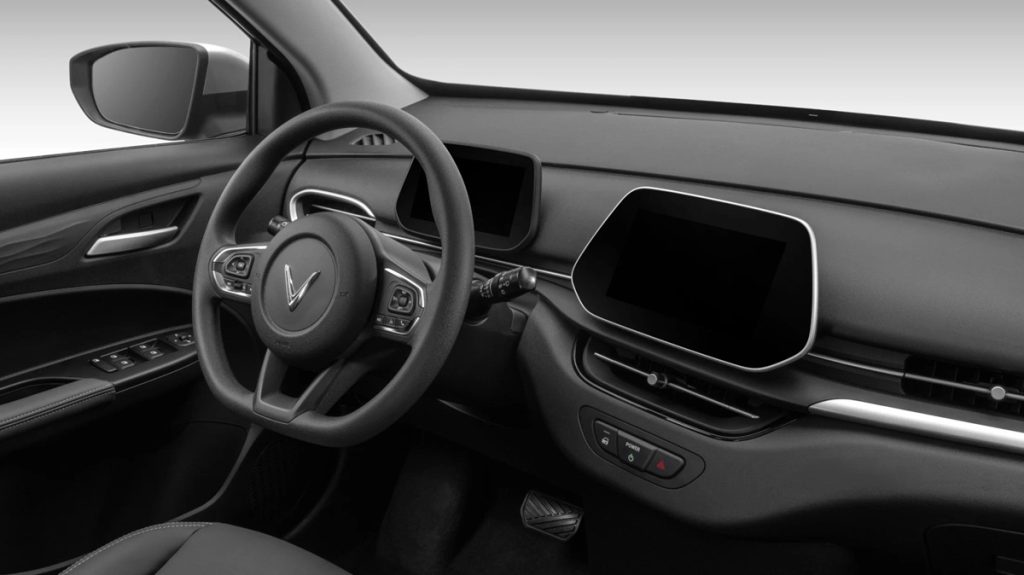
Beyond cost, practicality also plays a role. The Herio Green offers a driving range of over 300 kilometers per charge, sufficient for a full day of urban driving. Its fast-charging capability—from 10% to 70% in about 30 minutes—fits naturally into typical driver downtime between trips.
“I usually stop anyway,” Alvarado said. “If the car charges while I rest, it doesn’t feel like I’m losing time.”
For Dizon, the idea has not faded. Each time he revisits the numbers, the economics become harder to ignore.
“I’m not there yet,” he said. “But it’s starting to feel like a step I’ll take sooner rather than later—especially with that free charging deal.”