In a time when the world feels uncertain, divided, and emotionally heavy, audiences are no longer looking for stories that simply distract—they are searching for narratives that resonate, uplift, and remind them of resilience. Stories that don’t just entertain, but restore something within.
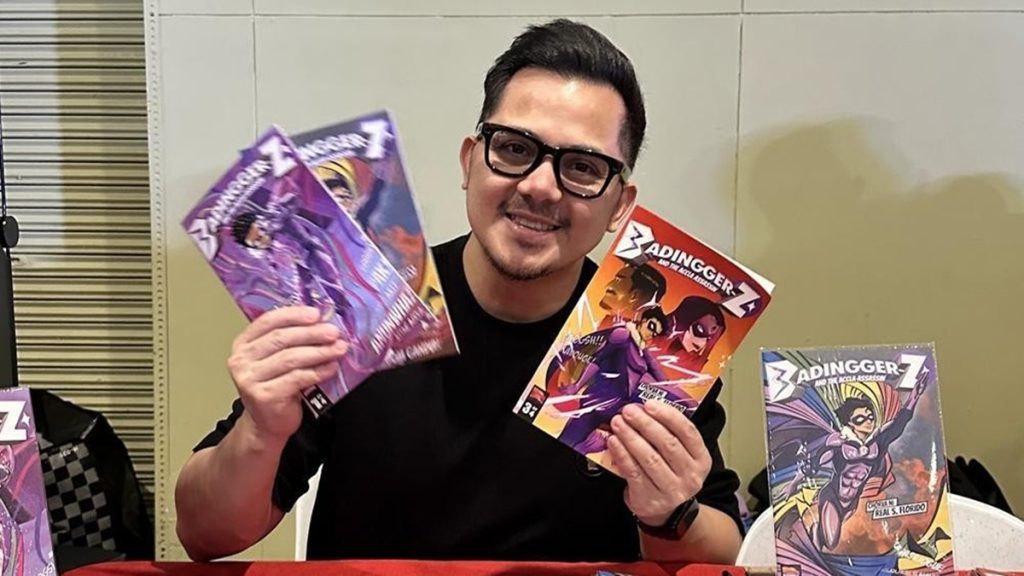
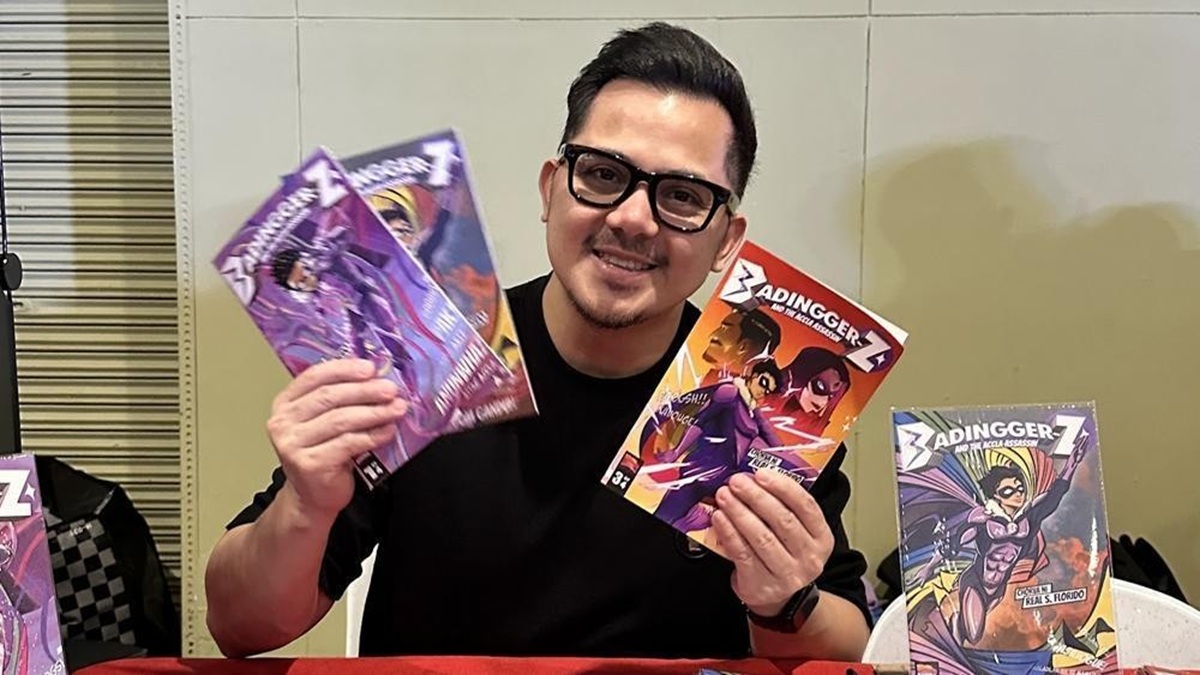
That is exactly where award-winning filmmaker Real S. Florido steps in with the latest installment of Badingger-Z and the Accla Assassin—Chapter 3 of the bold Filipino comic book series that transforms identity, pain, and prejudice into raw, defiant power.
With three chapters now unveiled, the series sharpens its voice and momentum—faster in pace, richer in emotion, and more fearless in its storytelling.
A HERO FOR A WORLD THAT NEEDS ONE
At the heart of the series stands Badingger-Z—not a conventional superhero, but a symbol of survival, resistance, and self-worth in a world that often marginalizes difference.
A flamboyant, rainbow-surfing superhuman who is “too gay” for the norms around him, Badingger-Z rises anyway. In a town threatened by the destructive Cyborgas, he becomes an unlikely force of protection, turning otherness into strength and humor into defiance.
Chapter 3 escalates everything: the stakes, the action, and the emotional weight. What once felt like an origin story now fully transforms into a battle cry—an explosive confrontation against prejudice, systemic bias, and the chaos it leaves behind. Expect heightened action sequences, a deeper look at the town’s unraveling conflict, and a dramatic clash with Varda, Badingger-Z’s striking nemesis.
“People need stories that lift them up,” says Florido. “We all need a hero right now. Badingger-Z is that hero—but one that reflects truths we don’t always see on the page.”
LANGUAGE AS POWER, IDENTITY AS STRENGTH
One of the most distinctive elements of the series is its unapologetic embrace of gay lingo, integrated into both dialogue and narrative rhythm.
Rather than treat language as decoration, the comic turns it into resistance. Words often used to mock or diminish are reclaimed and reshaped into expressions of identity and power.
Even the name Badingger-Z itself carries that transformation—once rooted in a term used to stereotype, now redefined as a badge of strength and pride.
“If a word has been used to diminish you, you take it back—and you give it power,” Florido explains. “That’s what Badingger-Z stands for.”
A COLLABORATION THAT ELEVATES THE WORLD
Chapter 3 also raises the visual stakes through a dynamic collaboration with artists Alfred “Edoy” Galaroza and Rhenel Serencio from Cebu, alongside Trebor Guerrero from Bicol.
Their combined artistry brings intensity and movement to every frame—delivering kinetic action, expressive character work, and vivid visual storytelling that amplifies the emotional depth of the narrative.
The result is a chapter that doesn’t just read like a comic—it moves like one.
ESCAPISM THAT MEANS SOMETHING
At its core, Badingger-Z and the Accla Assassin offers more than high-energy action or fantasy spectacle. It is grounded in deeply human experiences: being seen, being judged, and choosing to rise despite it all.
In a world saturated with anxiety and conflict, the series provides both refuge and reflection. It invites readers into a universe where difference is not a weakness—but a source of power.
NOW AVAILABLE
With Chapters 1 to 3 now released, Badingger-Z and the Accla Assassin continues to build momentum as one of the most distinctive and socially resonant Filipino comic book series today—one that entertains, challenges, and empowers in equal measure.



![[Key Visual 1] VinFast Opens New Dealership in Pasay City, Expanding Its Presence in Southern Metro Manila](https://www.wazzup.ph/wp-content/uploads/2026/10/Key-Visual-1-VinFast-Opens-New-Dealership-in-Pasay-City-Expanding-Its-Presence-in-Southern-Metro-Manila-218x150.jpg "VinFast EV Dealership Pasay City Metro Manila")