Filipino cuisine is more than a collection of recipes—it is a living archive of history, identity, and culture. Rooted in indigenous traditions and shaped by centuries of influence, it tells the story of communities through flavor, technique, and shared experience.
From iconic savory dishes to regional delicacies, Filipino food does not merely satisfy hunger. It reflects the creativity of local ingredients, the richness of family traditions, and the enduring spirit of hospitality. Every dish becomes a narrative—prepared with care, served with pride, and shared with meaning.
More than sustenance, Filipino cuisine embodies artistry at every stage: from preparation to plating. Cooking is guided by resourcefulness and skill, balancing bold flavors and cultural memory. Serving styles—such as communal feasts on banana leaves—highlight connection and togetherness, reinforcing food as a social and cultural bridge. Even presentation plays a vital role, with vibrant arrangements that make dishes as visually expressive as they are flavorful.
In celebration of Filipino Food Month this April, the Cultural Center of the Philippines through its CCP Encyclopedia of Philippine Art (CCP EPA) shines a spotlight on Philippine culinary traditions, emphasizing how food shapes cultural identity while opening discussions on sustainability and preservation.
More than a reference, the CCP EPA serves as a comprehensive record of Filipino creativity, documenting how food evolves into a form of art across regions and generations.
Fruits and relishes: edible artistry in detail
Relishes and desserts are among the most expressive forms of Filipino food art, often prepared in advance to allow time for intricate design. A notable example is achara, a pickled relish made from grated unripe papaya and vegetables like cucumber and bell pepper. Its vibrant textures and colors make it ideal for decorative arrangements, sometimes even forming shapes and scenes inside glass jars.
In Bulacan, mayumo—from San Miguel de Mayumo—showcases preserved fruits such as pomelo (suha), lime (dayap), and wax gourd (kundol), carved with ornamental patterns before being carefully arranged for display. In Laguna, creativity takes another form, such as stuffing limes with coconut jelly, blending visual appeal with contrasting textures.
Kakanin: tradition wrapped in creativity
Kakanin reflects food artistry through both presentation and packaging. Often served in bilao (woven trays), these rice-based delicacies become vibrant displays of color and pattern. Favorites like puto and kutsinta are molded into varied shapes and arranged into visually striking compositions.
Other varieties—suman, ibus, tupig, tamales, and puso—demonstrate the ingenuity of Filipino wrapping traditions using coconut leaves, banana leaves, and nipa leaves. In Obando, Bulacan, young coconut fronds are woven into intricate forms, while in Cebu and Cagayan de Oro, puso (hanging rice) is shaped into portable woven pouches known by different regional names such as balisungsong, lambay, patupat, and tamu.
Pastillas and the art of pabalat
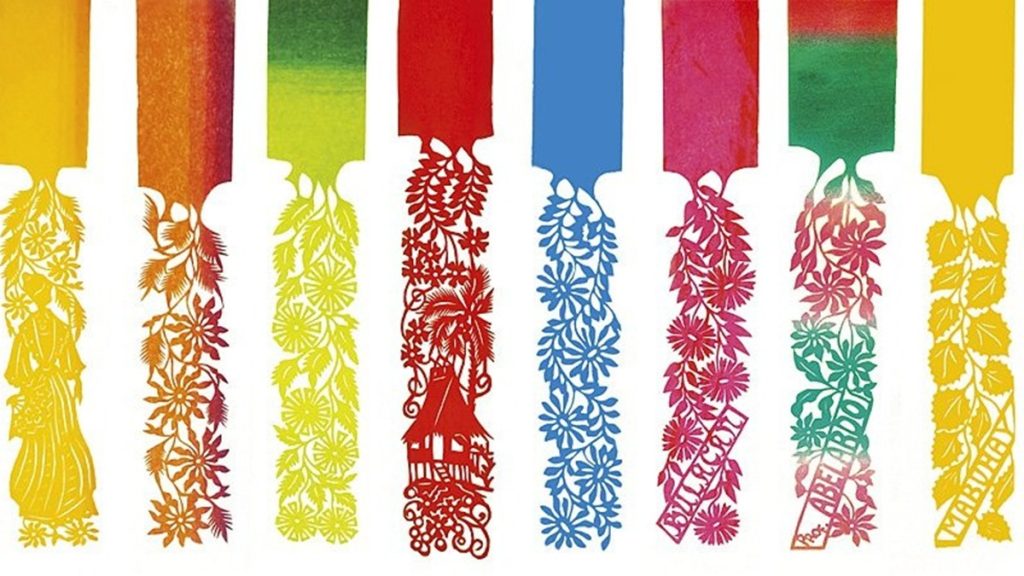
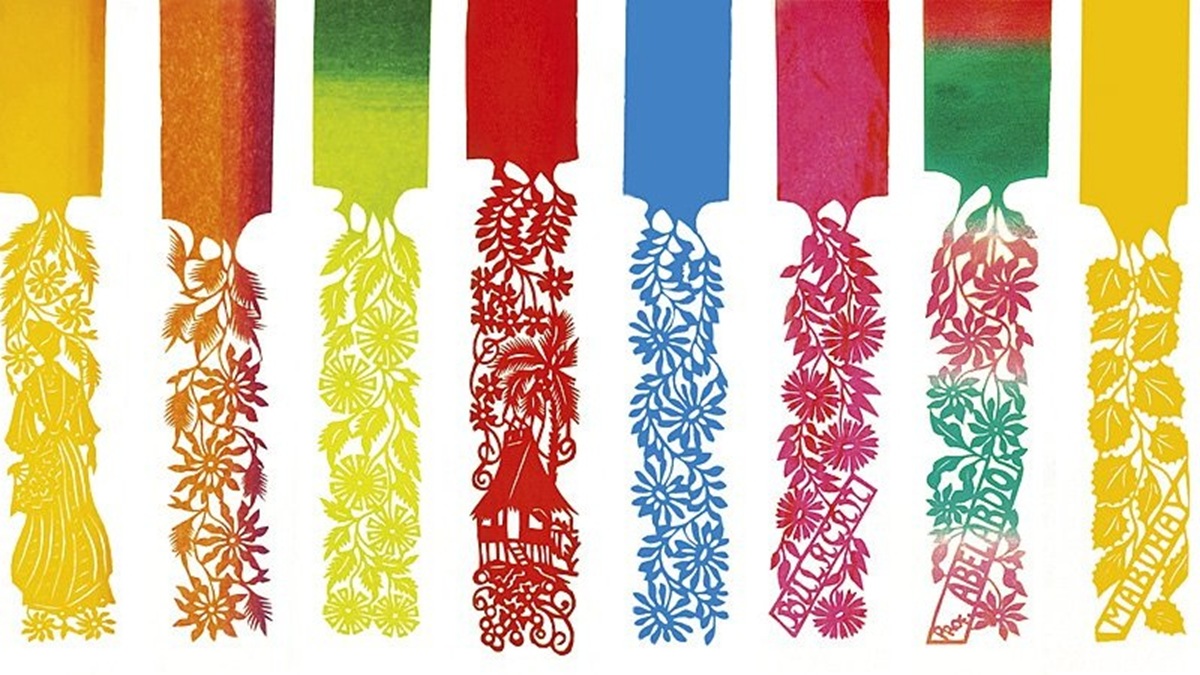
The beloved pastillas de leche of San Miguel de Mayumo, made from carabao milk and sugar, are elevated by pabalat—delicate decorative wrappers made from multicolored Japanese paper. These intricate cut-outs feature stars, flowers, leaves, and elaborate scenes that transform simple sweets into keepsakes.
Artists like Luz Mendoza Ocampo elevate the tradition through carefully designed patterns inspired by cultural motifs, while others practice freehand cutting. In Bulacan, pabalat remains a deeply rooted tradition, often practiced by women artists such as Amparo Pengson, Rosa David, Nene Pineda, Luz Reyes, and Teresita Ramos.
Cookies and breads: molded heritage

In Pampanga, San Nicolas cookies featuring religious iconography are sold during feast celebrations. In Negros Occidental, alfajor cookies—shaped using wooden molds—reflect cultural exchanges dating back to early migrant communities.
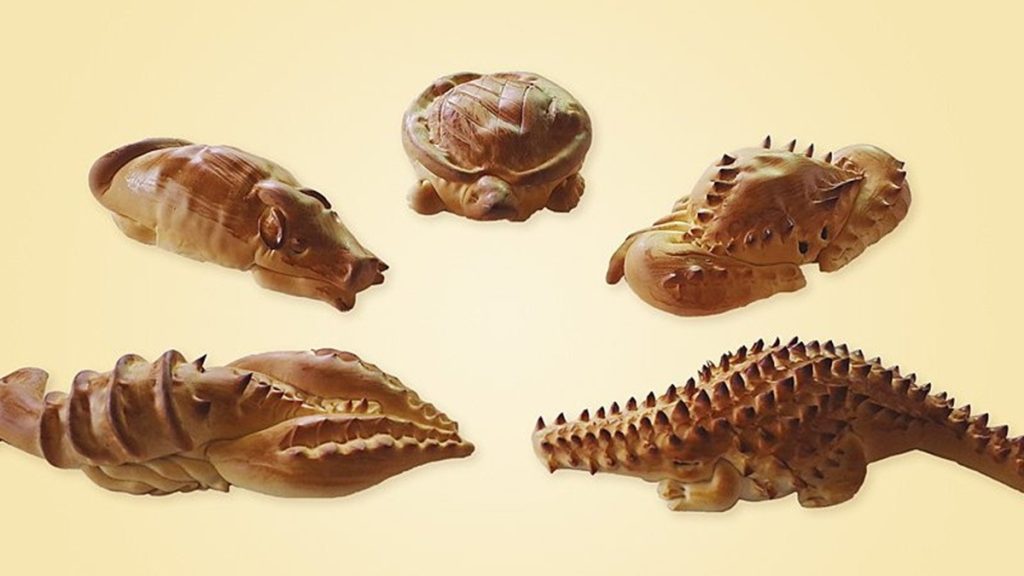
Bread, too, becomes a canvas for creativity. In Silay, Negros Occidental, empanadas are crafted with delicate fluted edges, while in Vigan, Ilocos Sur, panaras feature distinct patterned folds. Spanish-influenced pastries like tortas reales and castillos continue to evolve alongside modern cake artistry. In Antipolo, Rizal, bakeries even shape bread into playful forms of animals—turning everyday staples into edible art.
Preserving a national heritage
As the country’s most comprehensive cultural archive, the Cultural Center of the Philippines Encyclopedia of Philippine Art (CCP EPA) continues to document and preserve these culinary traditions as vital expressions of Filipino identity.
With contributions from hundreds of scholars and thousands of entries across print and digital editions, the CCP EPA stands as a living repository of Philippine artistic and cultural heritage—ensuring that these food traditions remain celebrated, studied, and passed on.
For more information, the CCP EPAD is available at epa.culturalcenter.gov.ph/encylopedia, with subscription options starting at Php75 per month.