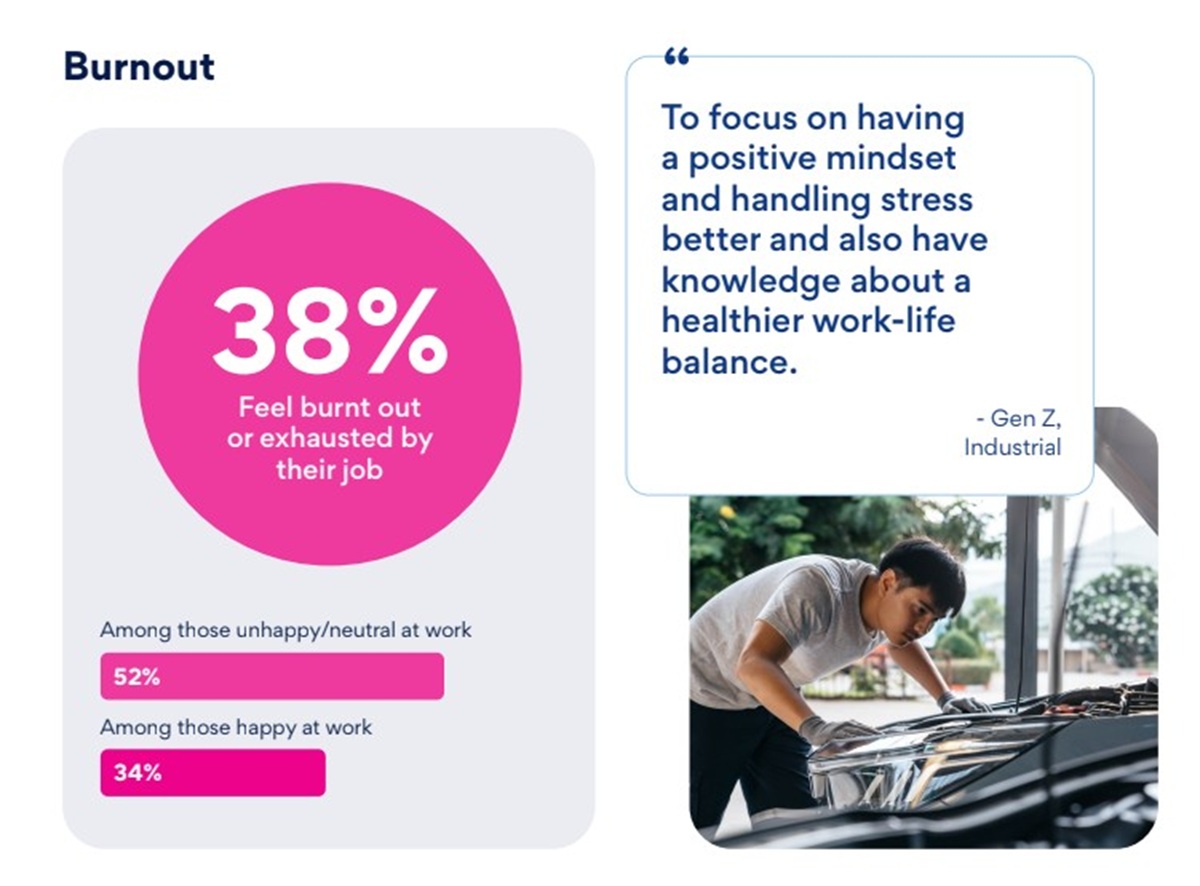
Jobstreet by SEEK tackles workplace burnout, with 38% of Filipinos feeling exhausted by their jobs
While the Philippine workforce may appear generally optimistic, a closer examination reveals the “silent struggles” many employees experience—challenges that often go unnoticed but can significantly affect their well-being, engagement, and overall workplace experience.
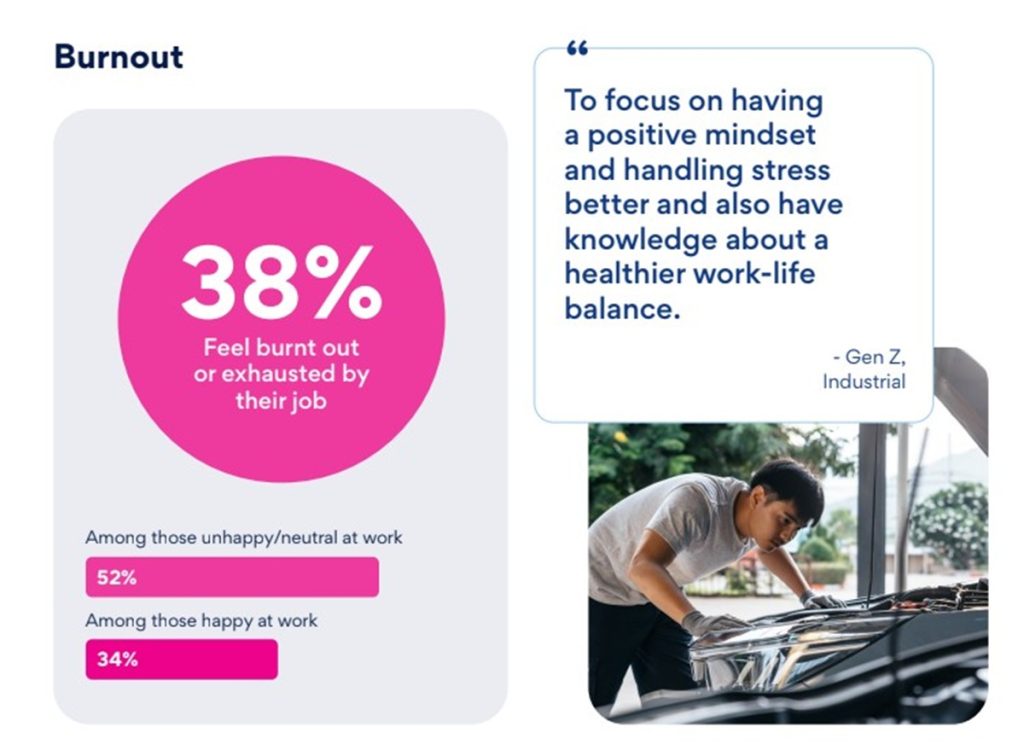
According to Jobstreet by SEEK’s Workplace Happiness Index: Philippines 2025, one in four employed individuals feels neutral or unhappy with their job, while 38% report experiencing chronic burnout. These findings highlight the challenges employees may be quietly facing and underscore the importance of employers looking beyond recruitment to address the evolving needs of the workforce.
The “Silent Struggle” Behind Positive Workforce Sentiment
With a significant number of employees experiencing burnout and exhaustion, employers need to take a closer look at the factors influencing job satisfaction and workplace engagement.
Jobstreet by SEEK identifies workload stress as a key contributor to employee dissatisfaction. Only 57% of employees are happy with their current workload, while 42% say better work-life balance would improve their workplace happiness—a factor ranked second only to higher compensation. Despite these concerns, many employees hesitate to speak up, allowing unresolved issues to gradually affect their well-being and productivity.
These overlooked challenges do not always result in immediate resignations. However, the report suggests they can contribute to absenteeism and poor mental health outcomes, leaving employees increasingly unmotivated, disengaged, or persistently fatigued even as they continue to fulfill their responsibilities.
For employers, recognizing these “silent struggles” presents an opportunity to take a more proactive approach to employee engagement. Jobstreet by SEEK encourages employers to adopt a more deliberate, people-centered approach to recruitment and retention, prioritizing clear career pathways, continuous development, and employee well-being.
Building stronger employer-employee relationships starts with communicating clear job expectations, providing consistent mentorship, and creating opportunities for career advancement. These measures can offer greater stability and security to workers dealing with financial pressures or uncertainty about their professional growth.
Equally important is establishing a workplace culture that prioritizes mental well-being, work-life balance, and open communication. Regular check-ins can help employees feel heard, valued, and supported as they develop in their roles. Creating an environment where every silent struggle is acknowledged and addressed is essential to building a healthier, more productive workplace.
Organization-wide recognition programs and team-building initiatives can also help bridge the gap for employees who may be quietly experiencing burnout or isolation. Regularly acknowledging individual contributions and strengthening peer-support networks foster a greater sense of belonging, ensuring team members feel appreciated and connected beyond their daily responsibilities.
“This report serves as the voice of our Filipino talent experiencing ‘silent struggles’ in their workplace. In the same way, we hope to assist hirers in strengthening employee morale and retention by helping them understand the value of a compassionate, human-centered approach to hiring—not only for the candidates but also for the long-term success of their organizations,” said Dannah Majarocon, Managing Director of Jobstreet by SEEK in the Philippines.
Addressing these “silent struggles” early requires employers to look beyond recruitment alone. Sustained employee engagement depends on the support, opportunities, and overall workplace experiences people receive throughout their professional journey.
For more information about Jobstreet by SEEK, visit https://www.jobstreet.com.ph/.