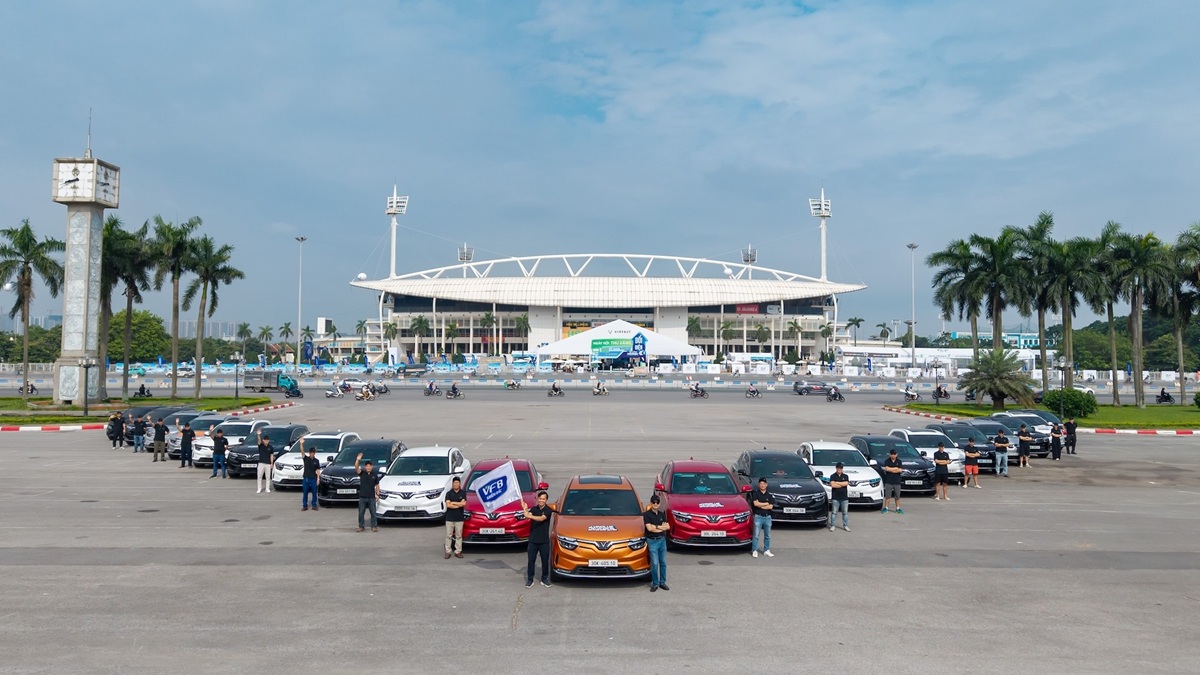
A single Saturday. 3,520 electric vehicle orders. No flash sale, no festival rush, no end-of-quarter pressure.
On March 28, 2026, VinFast recorded a striking milestone: all orders processed within one day—steady, continuous, and notably unprompted by any dedicated promotional campaign.
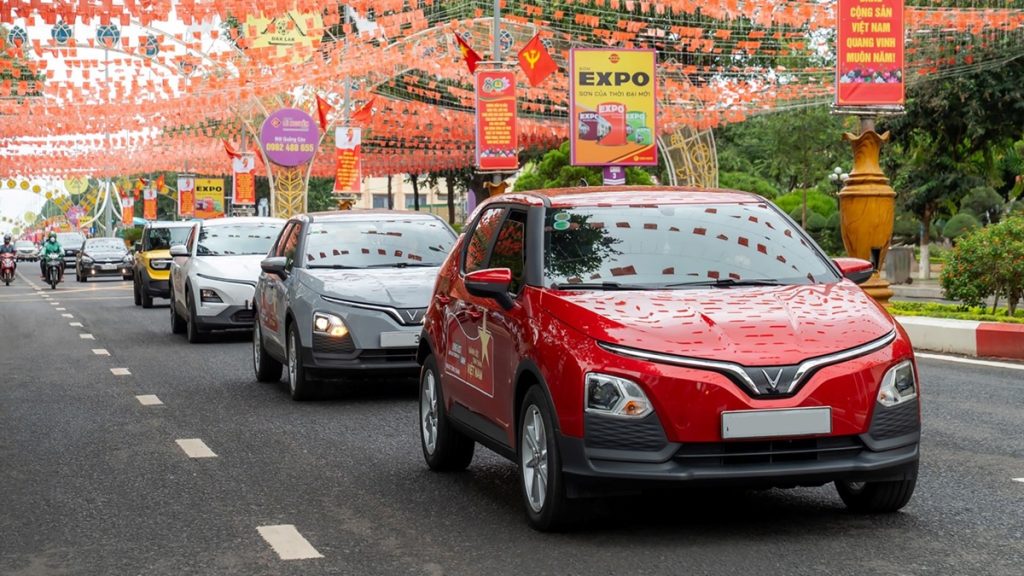
In an industry where high-volume sales typically depend on tightly engineered demand spikes—holiday discounts, aggressive incentive windows, or quarter-end pushes—this moment stood out precisely because it didn’t follow the script.
Demand that didn’t need to be “triggered”
Rather than clustering around a single surge period, orders flowed consistently throughout the day. The average pace translated to roughly 146 vehicles per hour, or about 2.4 vehicles per minute. By day’s end, every order had been processed, with vehicles ready for dispatch—signaling not just demand strength, but operational readiness at scale.
External conditions did play a role. Rising global fuel prices in early March 2026 sharpened consumer attention on running costs. But price pressure alone rarely converts into sustained adoption unless the broader ecosystem makes the transition to electric mobility practical and low-friction.
What March 28 suggests is something deeper: when infrastructure, policy, and user experience are already aligned, demand begins to behave less like a spike—and more like a steady output.
The ecosystem behind the numbers
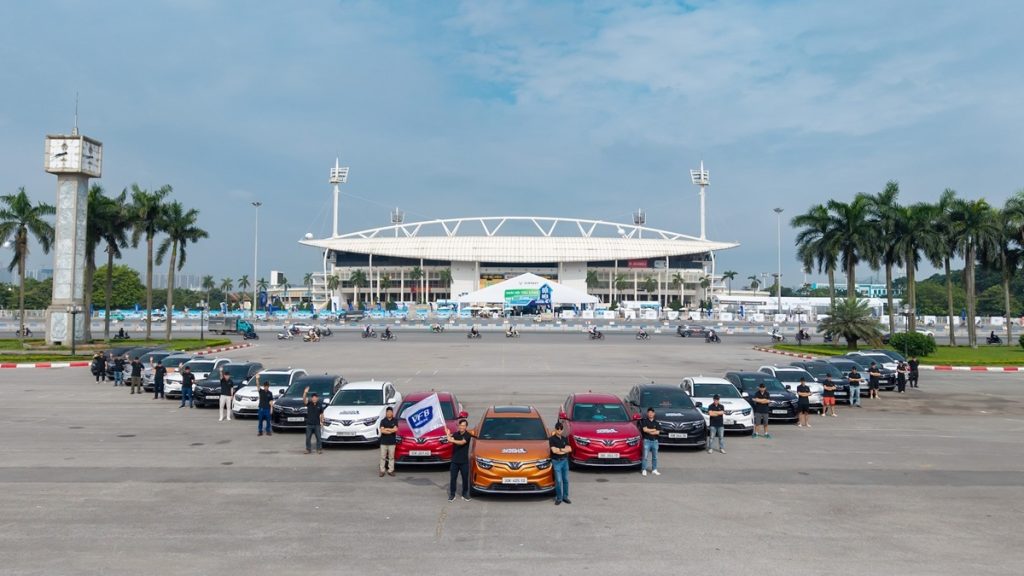
In Vietnam, that foundation has been deliberately built over several years by VinFast through coordinated investments in charging infrastructure, service coverage, and ownership support systems.
Programs such as financial assistance for gasoline-to-EV transitions and extended free charging initiatives have helped reduce uncertainty for first-time EV buyers. These measures collectively shift electric mobility from a high-consideration purchase into a more predictable everyday choice.
A critical pillar of this ecosystem is V-Green, VinFast’s charging infrastructure partner, which is targeting 150,000 charging ports across 34 provinces and cities. The network also includes 99 ultra-fast charging hubs (150 kW) along key highways—designed to make long-distance EV travel as seamless as urban driving.
Together, these layers remove one of the biggest barriers to EV adoption: friction in use. When charging access becomes widespread and reliable, demand no longer needs to be activated through short-term incentives—it becomes self-sustaining.
From infrastructure to momentum
A similar ecosystem-building strategy is now emerging in the Philippines, though still in its early phase. Instead of relying purely on product-led expansion, VinFast is focusing on the conditions that enable long-term adoption.
This includes ownership models designed to lower entry barriers, such as battery subscription options and a resale value guarantee program that provides clearer long-term value assurance. On the usage side, initiatives like free charging at V-Green stations until March 31, 2029 help reduce day-to-day operating concerns for new EV owners.
Parallel efforts to expand charging infrastructure and aftersales networks aim to ensure that accessibility grows in step with adoption—rather than lagging behind it.
When systems replace campaigns
Historically, the rise of gasoline vehicles was made possible not just by the cars themselves, but by the steady spread of fuel stations that made ownership practical. Electric mobility follows the same logic.
As infrastructure expands and uncertainty declines, adoption becomes less dependent on promotional triggers. Instead, it becomes the natural result of a system already in motion.
March 28, 2026 offers a snapshot of that shift: a day where demand didn’t need to be pushed—it simply flowed through a structure that was already ready to receive it.