Art has long been a powerful platform for the LGBTQIA+ community to tell its stories, challenge prejudice, and champion visibility. Across generations, Filipino artists have used film, theater, literature, and television to reflect the realities of queer life—capturing narratives of struggle, resilience, identity, and hope that continue to shape the country’s cultural landscape.
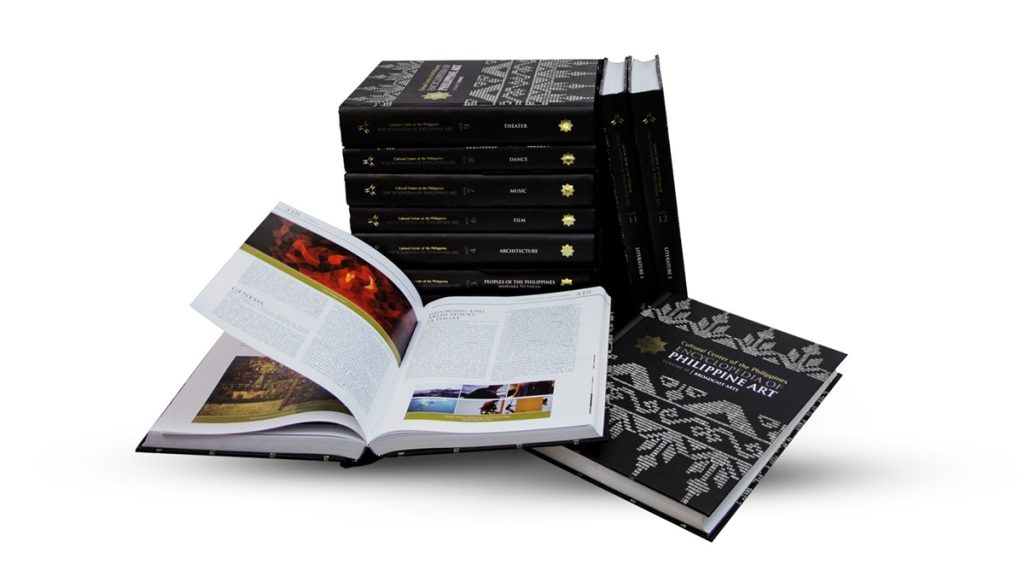
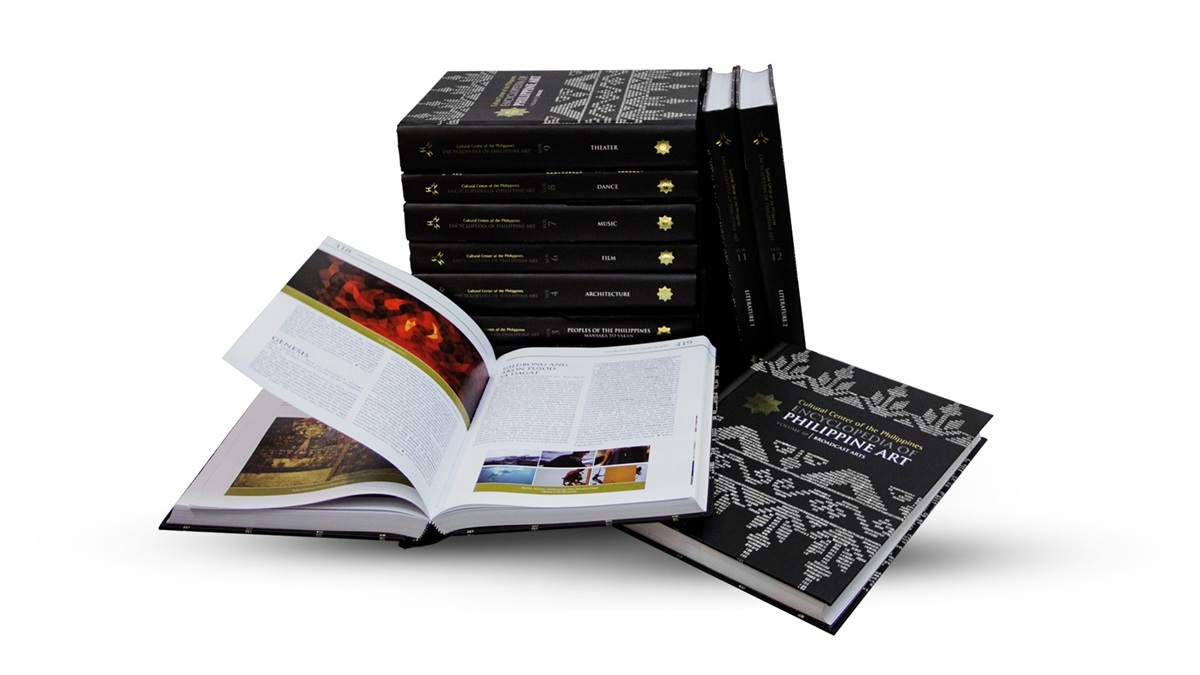
These remarkable contributions take center stage in the CCP Encyclopedia of Philippine Art (CCP-EPA), the country’s most comprehensive resource on Philippine arts and culture. Through its extensive archive, the encyclopedia documents how LGBTQIA+ artists and storytellers have enriched the nation’s creative heritage while advancing conversations on equality, freedom of expression, and representation.
Queer Cinema That Redefined Filipino Storytelling
The evolution of LGBTQIA+ representation in Philippine cinema reflects a journey from marginalization to meaningful visibility.
Among the pioneers recognized by the CCP-EPA is National Artist Lino Brocka, whose groundbreaking 1971 film Tubog sa Ginto became one of the earliest Filipino movies to portray homosexuality with psychological depth and compassion—breaking away from the stereotypes that dominated mainstream cinema at the time.
Over the decades, Filipino filmmakers continued to expand queer narratives through stories that explored identity, history, and humanity.
Films such as Markova: Comfort Gay (2000) brought to light the untold experiences of gay comfort workers during World War II, while the critically acclaimed Ang Pagdadalaga ni Maximo Oliveros (2005) offered a heartfelt coming-of-age story that resonated with audiences both locally and abroad.
In 2016, Jun Robles Lana’s Die Beautiful further transformed the conversation by placing the experiences of a transgender woman at the center of a moving and widely celebrated film, proving that LGBTQIA+ stories could connect with mainstream audiences through both humor and emotional depth.
Together, these cinematic milestones not only broadened representation but also challenged societal perceptions while affirming the place of queer narratives in Philippine cinema.
Theater: A Stage for Identity and Acceptance
Long before LGBTQIA+ stories became widely represented on screen, Philippine theater had already become a welcoming space for self-expression and social commentary.
The CCP Encyclopedia highlights productions that courageously explored themes of gender, identity, and acceptance, offering audiences stories that were both entertaining and thought-provoking.
Among the most iconic is Zsazsa Zaturnnah Ze Muzikal (2006), the beloved stage adaptation of Carlo Vergara’s celebrated graphic novel, which cleverly blended comedy, fantasy, and social commentary while celebrating individuality.
Another standout production is Care Divas, a touching musical that follows Filipino drag performers working overseas, capturing themes of friendship, sacrifice, migration, and resilience.
The encyclopedia also documents several landmark theatrical works that continue to enrich LGBTQIA+ representation in Philippine performing arts, including Orlando Nadres’ Hanggang Dito na Lamang at Maraming Salamat, Chris Martinez’s Freshman and Baclofen, Anton Juan’s Death in the Form of a Rose, Rody Vera’s Kung Paano Ko Pinatay si Diana Ross, and Nicolas Pichay and William Elvin Manzano’s Maxie: The Musical.
Collectively, these productions demonstrate theater’s enduring power to spark dialogue, foster empathy, and celebrate diverse human experiences.
Literature That Gives Voice to Queer Filipino Experiences
The CCP-EPA also preserves literary works that have become defining voices in Philippine LGBTQIA+ literature.
One of its most significant milestones was the publication of Ladlad: An Anthology of Philippine Gay Writing in 1994, a groundbreaking collection that created space for queer Filipino writers to tell their stories openly and authentically.
This literary legacy continues through acclaimed authors such as Ricky Lee, whose novel Si Amapola sa 65 na Kabanata explores identity and self-discovery, Tony Perez, author of Cubao 1980 at Iba Pang Katha, and Honorio Bartolome de Dios, whose Sa Labas ng Parlor presents deeply personal portraits of queer Filipino life.
Together, these works reveal the richness, complexity, and diversity of LGBTQIA+ experiences while expanding the landscape of Philippine literature.
From Television to the Digital Age
As storytelling evolved, LGBTQIA+ representation found new audiences through television and digital platforms.
Groundbreaking series such as My Husband’s Lover helped introduce more nuanced queer characters to primetime television, while the internationally acclaimed web series Gameboys demonstrated how Filipino LGBTQIA+ stories could resonate with viewers around the world through digital streaming platforms.
These productions reflect the growing acceptance of diverse narratives and the increasing global appreciation for Filipino storytelling.
Preserving Stories, Protecting Freedom
As the Philippines observes both Independence Month and Pride Month, the CCP Encyclopedia of Philippine Art reminds us that artistic freedom and personal freedom are deeply connected.
By documenting these landmark works, the encyclopedia safeguards the legacy of LGBTQIA+ artists whose creativity has helped shape Philippine culture and expanded conversations about identity, equality, and human dignity.
Every honest and compassionate queer story is also a Filipino story—one that reflects the nation’s evolving understanding of itself while inspiring future generations to embrace diversity through art.
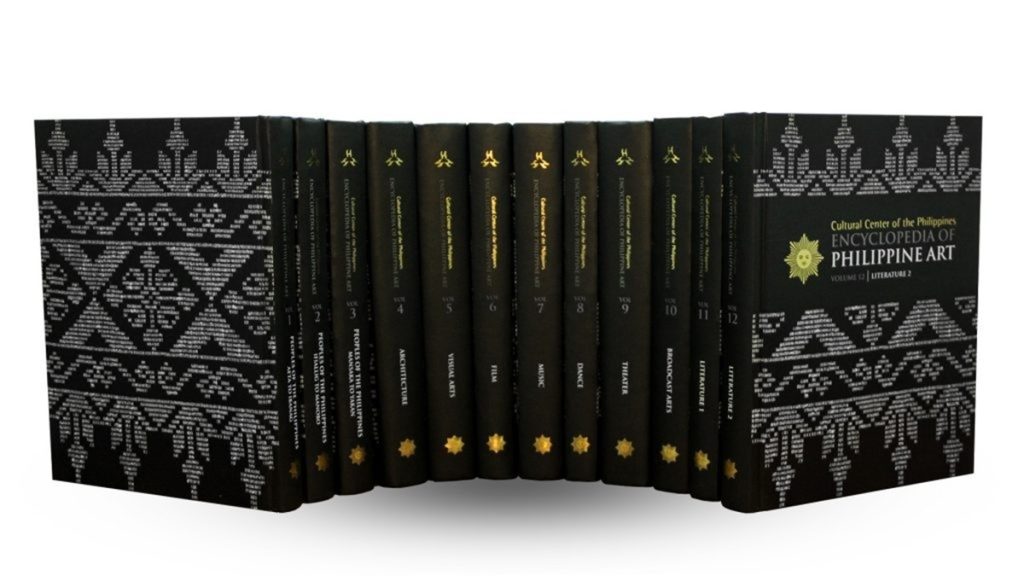
Since its first publication in 1994, the CCP Encyclopedia of Philippine Art has remained the country’s definitive archive of artistic achievement. Written and researched by more than 500 scholars, historians, artists, and experts from leading universities and research institutions, the collection now spans over 5,000 articles across 12 printed volumes, while its digital edition features more than 6,000 articles, along with hundreds of video excerpts showcasing performances from the CCP archives.
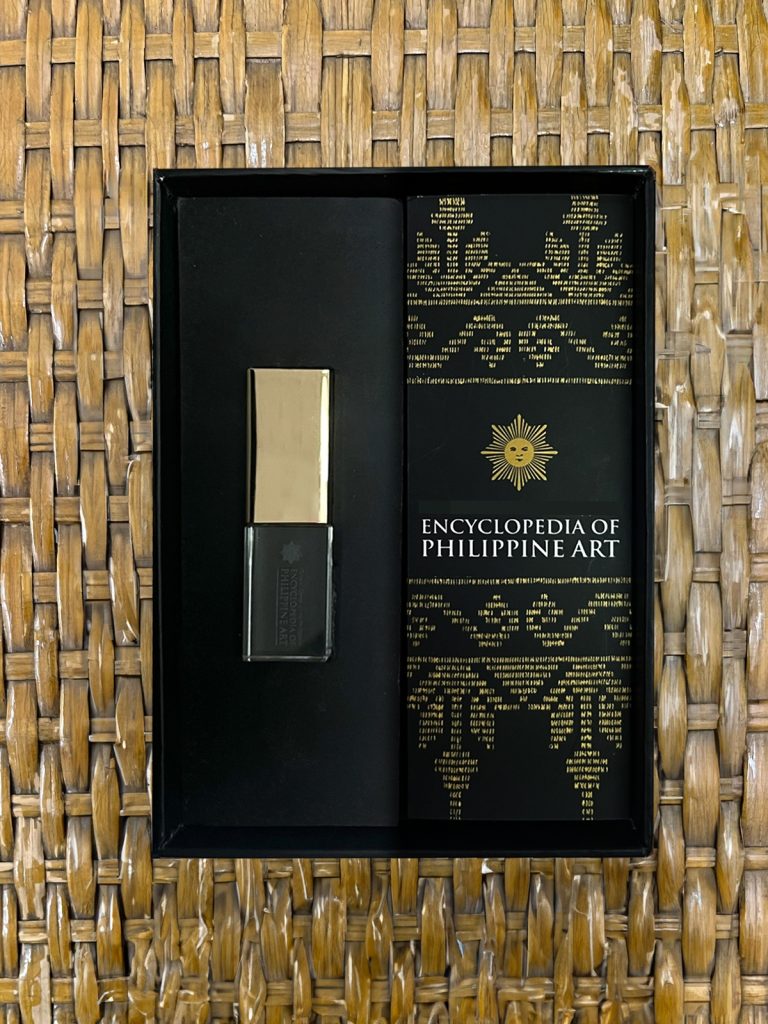
Readers can subscribe to the digital edition for as low as ₱99 per month or ₱999 annually. Print editions and the special USB offline version are also available for purchase.
Through its ever-growing collection, the CCP Encyclopedia of Philippine Art continues to preserve the stories that define Philippine creativity—ensuring that the voices, achievements, and contributions of the LGBTQIA+ community remain an enduring part of the nation’s cultural history.