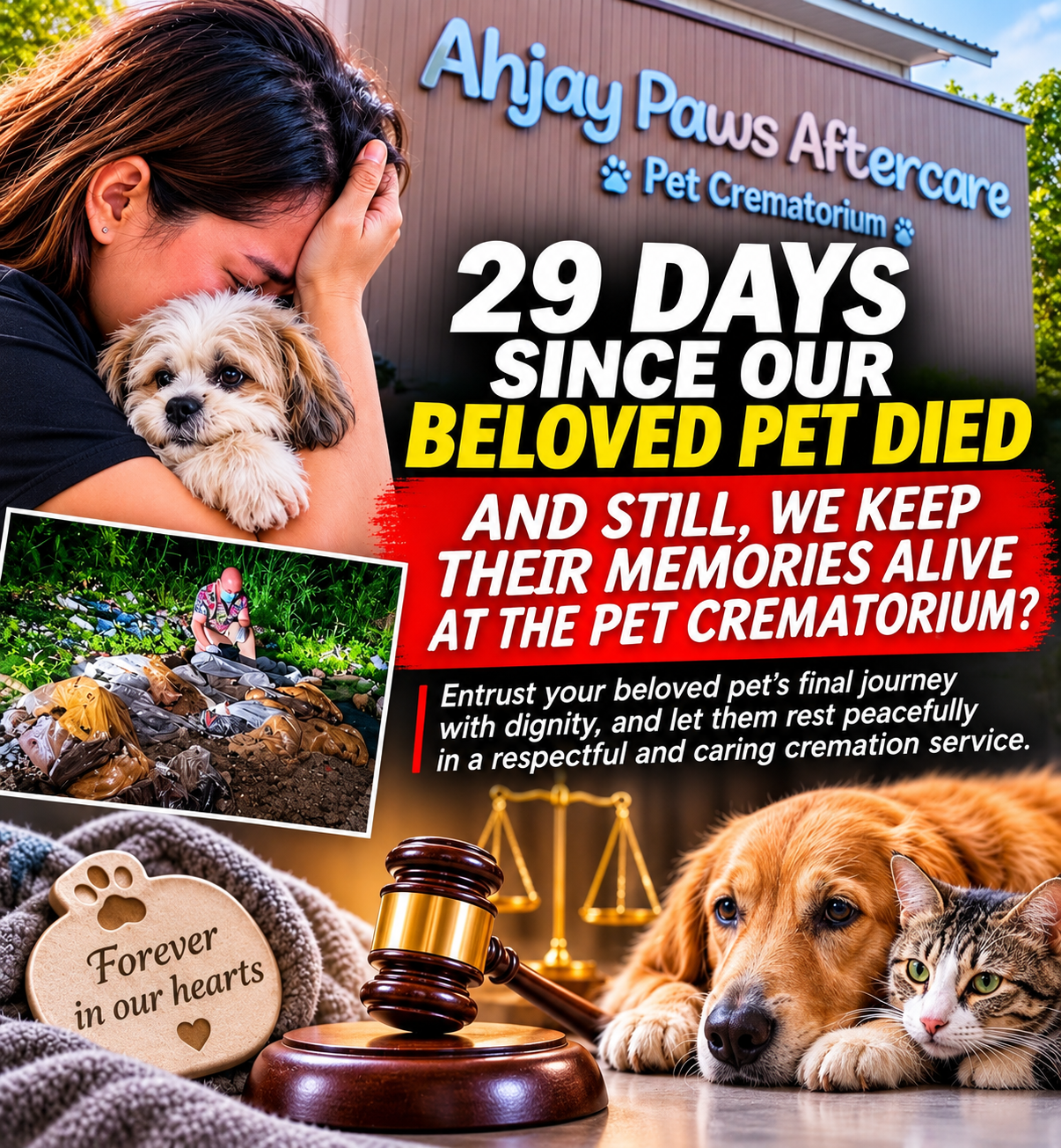
Beyond the closure of the establishment, those responsible could face estafa and other violations of the law.
THE PROFILER | NEWS UPDATE & LEGAL EXPLAINER NOVEMBER 1, 2026
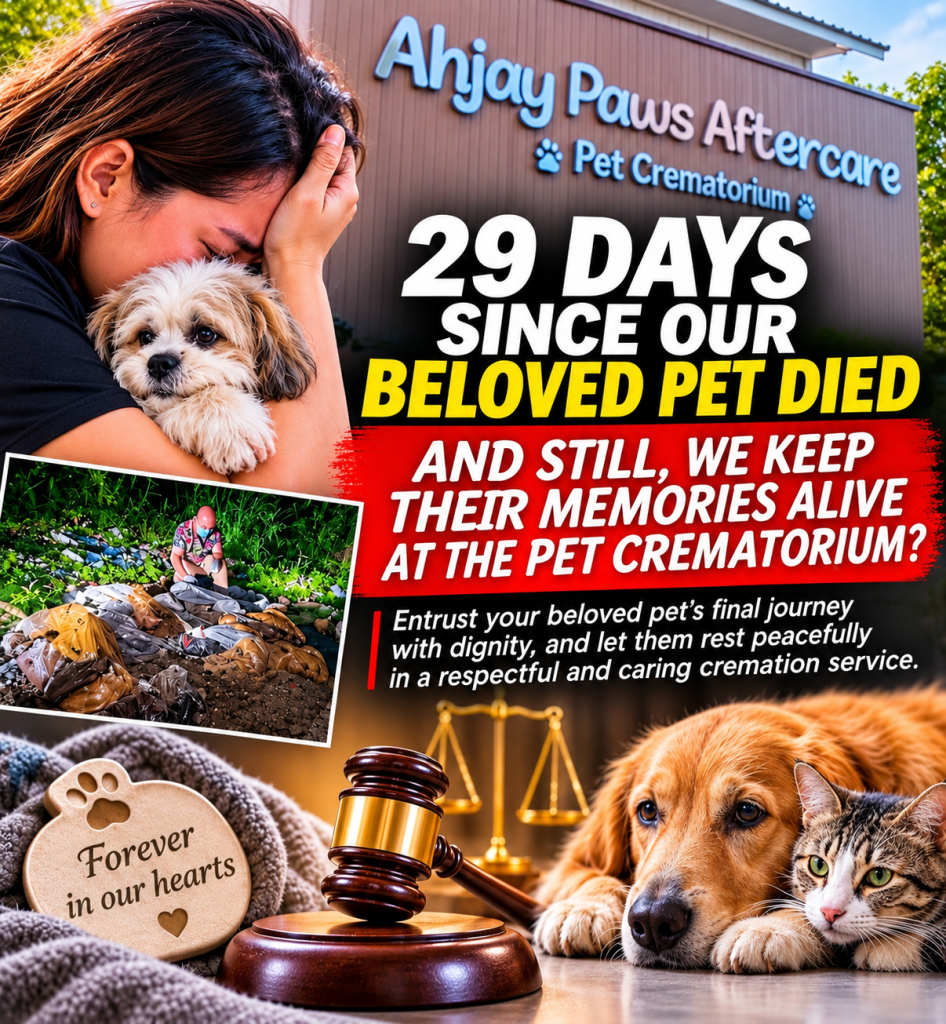
SAN JOSE DEL MONTE CITY, BULACAN — A horrifying discovery of 29 animal remains, including 26 dogs and three cats, found in separate plastic bags on an empty lot in San Jose del Monte City, Bulacan, has prompted calls for a thorough investigation and criminal accountability against those possibly involved.
The incident became even more controversial after the remains found were linked to Ahjay Paws Aftercare Pet Crematorium, based in Bacoor, Cavite, following complaints from pet owners who paid and trusted the establishment to give their deceased pets a proper cremation.
According to reports, some plastic bags had the names and weights of the animals written on them. Animal welfare volunteers from Luna and Furry Siblings also examined the remains with the help of a microchip scanner to help identify them and find their former owners.
Meanwhile, Bacoor City Mayor Strike Revilla ordered the closure of the establishment after receiving complaints from more than 30 pet owners asking for an explanation of what happened.
In the local government’s preliminary investigation, it was reported that the owner could not present sufficient documentation, CCTV footage, or other evidence to prove that the cremation was actually carried out on the pets entrusted to their service.
It also reportedly could not be determined whether the ashes returned to customers actually came from their own pets.
WHAT CASES CAN BE FILED?
The closure of the business is not the only thing those responsible could face if the allegations are proven. There are several legal steps that authorities and affected pet owners may consider.
1. ESTAFA THROUGH DECEIT — ARTICLE 315(2)(a), REVISED PENAL CODE
This is the main case emphasized by the Philippine Animal Welfare Society (PAWS).
If it is proven that the establishment promised that the cremation was carried out even though it knew it was not actually done, and used that deceit to collect payment from customers, a case of estafa through deceit may apply.
The deceit, its connection to the customer’s payment, and the damage it caused must all be proven.
2. VIOLATION OF THE ECOLOGICAL SOLID WASTE MANAGEMENT ACT — RA 9003
It may also be investigated whether dumping the animal remains on an empty lot violated existing regulations on proper waste management and disposal.
Section 48 of RA 9003, which prohibits certain types of improper waste disposal in public places, should be examined in particular.
The exact application of this provision depends on the location, the type of place, and the circumstances.
3. POSSIBLE VIOLATION OF THE CODE ON SANITATION — PRESIDENTIAL DECREE 856
It should also be investigated whether the dumping of animal carcasses violated the provisions of the Code on Sanitation of the Philippines regarding the proper disposal of animal remains and other materials that may pose a risk to public health.
Local authorities may also look into the establishment’s compliance with existing sanitation and environmental regulations.
4. VIOLATION OF THE ANIMAL WELFARE ACT — RA 8485, AS AMENDED BY RA 10631
There is an important distinction here.
According to PAWS, dumping the remains is not automatically a violation of the Animal Welfare Act if the animals were already dead when they were entrusted to the crematorium.
However, if it is proven that some animals experienced cruelty, maltreatment, neglect, or illegal abandonment while still alive, there may be grounds for the corresponding criminal case.
The discovery of the 29 remains is not enough to automatically prove a violation of this law.
5. CIVIL CASE FOR DAMAGES AND REFUND
Beyond criminal cases, pet owners may also file the appropriate civil action to recover what they paid for a service that was not rendered.
They may also seek compensation for proven financial damage and other damages allowed by the Civil Code, including moral damages if the legal requirements for these are met.
It also does not automatically mean that the business owner alone is liable. The actual participation, knowledge, consent, or responsibility of each individual possibly involved must be determined.
THIS IS NOT JUST ABOUT MONEY — IT IS A BETRAYAL OF TRUST AND AN INJUSTICE TO LIFE
Behind the 29 remains found may lie 29 stories not yet fully known: lives that once brought joy, love, and loyalty to their families.
For pet owners, bringing their deceased pet to a pet crematorium is not just an ordinary transaction. It is a final act of love and respect for a companion who had become part of their family.
If the allegations are proven true, what those responsible violated was not only their customers’ trust. It is also an injustice to life and to the people who loved, cared for, and mourned their fur babies.
Imagine a family that paid for cremation, went home carrying an urn, and believed their pet had been properly given a final farewell — only to later learn that it might have been among the remains found dumped on an empty lot.
No family should have to experience this kind of doubt and pain.
The investigation should not end with the closure of the establishment. It must determine who brought, stored, and dumped the remains; who ordered or took part in those acts; whether the cremations were truly carried out; and whether any customers were deliberately deceived.
The owner and other respondents should also be given the opportunity to answer the allegations in accordance with due process.
The affected families have the right to know the truth. They have the right to seek justice and to hold anyone proven responsible accountable under the law.
Even animals deserve a proper burial. Even our fur babies deserve dignity in death.
They may no longer be able to speak to defend themselves, but that does not mean their remains — and the love of the people they left behind — should simply be ignored.
Because the trust of a grieving family should never be taken advantage of.