Visayan arts and culture continue to thrive, thanks to the unwavering dedication of cultural champions and their growing partnerships with the Cultural Center of the Philippines (CCP) through its Kaisa sa Sining (KSS) program. Leading the way are cultural advocates Ma. Lourdes “Tanya” Lopez of Bacolod City (Negros Occidental), Diomar Abrio of Dumaguete City (Negros Oriental), and Alphonsus “Al” Dalisay Tesoro of Roxas City (Capiz), who all share a vision of a flourishing and inclusive creative ecosystem across the region.
A Tapestry of Connections in Negros Occidental
Tanya Lopez, Executive Director of the Negros Cultural Foundation, Inc., recalls how their cultural efforts began even before joining KSS in 2014. “The foundation, created in 1980 by Marilyn Gamboa (Gawad CCP Para sa Sining 2024 awardee) and local cultural leaders, established Balay Negrense Museum and The Negros Museum to preserve local heritage,” she shares.

The CCP partnership, however, elevated their efforts. “Kaisa sa Sining is like a golden thread that connects artists, communities, and institutions from all over the country. It opened doors for networking, collaborations, and access to expertise, storytelling, and shared traditions,” Lopez added.
With a strong foundation in theater and cultural education, Lopez has spearheaded workshops, exhibitions, and festivals that empower young creatives. “The opportunities in creative industries are growing. We just need more platforms for exposure—both online and on-ground—that sustain artists and craftsmen,” she emphasized.
Building Cultural Legacy in Dumaguete
In Dumaguete, Silliman University Culture and Arts Council Chairperson Diomar Abrio attributes the city’s vibrant arts scene to its strong academic culture and the enduring influence of Silliman University. Founded in 1901, Silliman continues to be a hub for the performing arts through its SOUL program—Strength, Outstanding Performance, Unity, and Legacy.
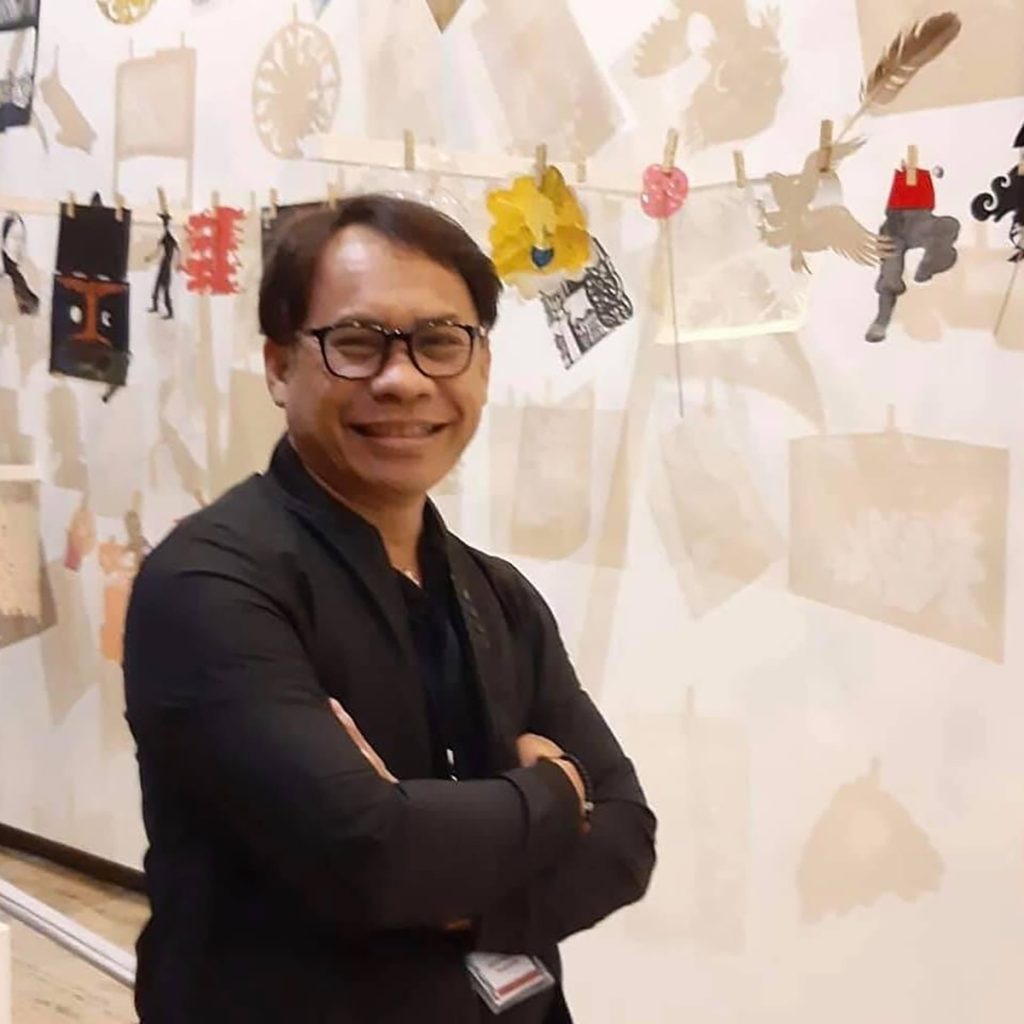
Abrio highlights how KSS has broadened their cultural perspective, enabling stronger collaborations with institutions nationwide. “The program not only impacted our organization but also helped me grow personally and professionally. It continues to inspire my creativity and cultural leadership,” he said.
He envisions an inclusive cultural landscape enriched by innovation and grassroots participation. “Arts education is key—it develops critical thinking, collaboration, and life skills. That’s why I advocate for strengthening cultural programs, especially for the youth,” Abrio added.
Expanding the Cultural Horizon in Capiz
In Capiz, Provincial Tourism Officer Alphonsus “Al” Tesoro sees a robust and evolving arts and culture scene. A KSS pioneer since 2010, Tesoro notes that Capiz already had community-based initiatives and regional festivals, but lacked wide support from local governments.
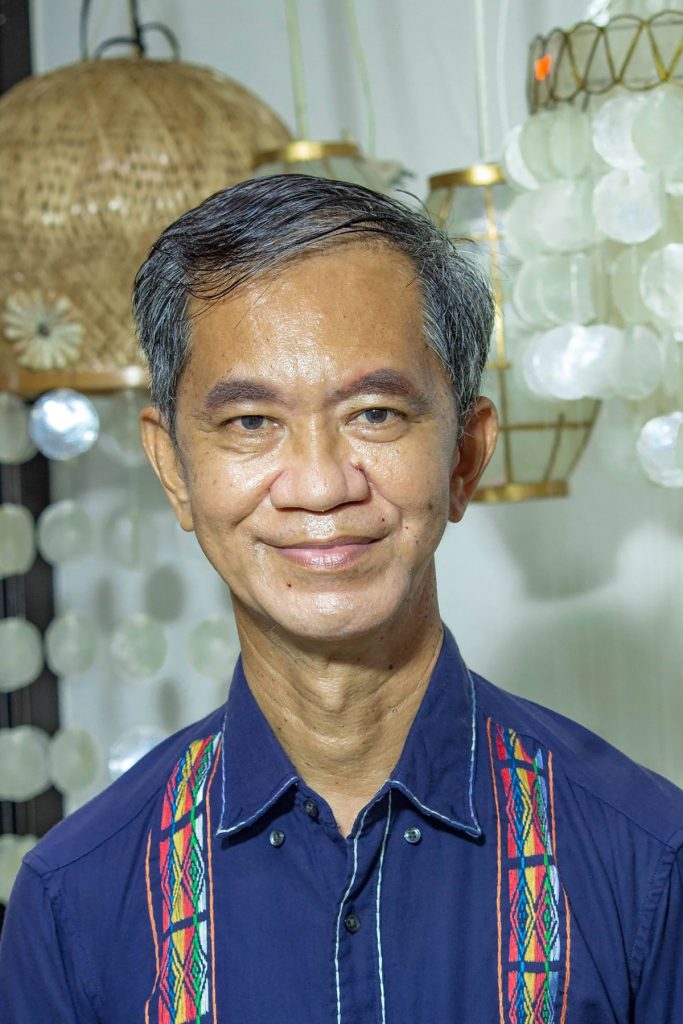
“KSS helped expand our reach, especially in schools and grassroots communities. We’ve seen more workshops, training sessions, and cultural exchanges because of this partnership,” Tesoro shared.
He hopes to see greater inclusivity in the arts, especially with indigenous groups and persons with disabilities. Tesoro’s role in the tourism sector also helps spark interest in heritage and creativity among younger generations through school tie-ups and community outreach.
Capiz’s Revised Provincial Tourism Code now supports the growth of creative industries and local cinema, creating fertile ground for cultural innovation.
One Visayas, Many Voices
From Negros Occidental to Negros Oriental and Capiz, a shared vision is weaving stronger cultural ties across the Visayas. The CCP Kaisa sa Sining network has become a vital connector—uniting creative practitioners, educators, government units, and communities toward a common goal: cultural empowerment and heritage preservation.
Launched in 2014 by CCP’s Cultural Exchange Department, the Kaisa sa Sining program now counts 77 partner organizations nationwide: 28 in Luzon, 21 in Visayas, and 28 in Mindanao. Soon, three more institutions—Mindanao State University Sulu, Notre Dame of Jolo College, and Ateneo de Zamboanga—will join the growing network.
As the KSS network expands, so does its potential to fuel a culturally rich, collaborative, and artistically empowered Philippines.