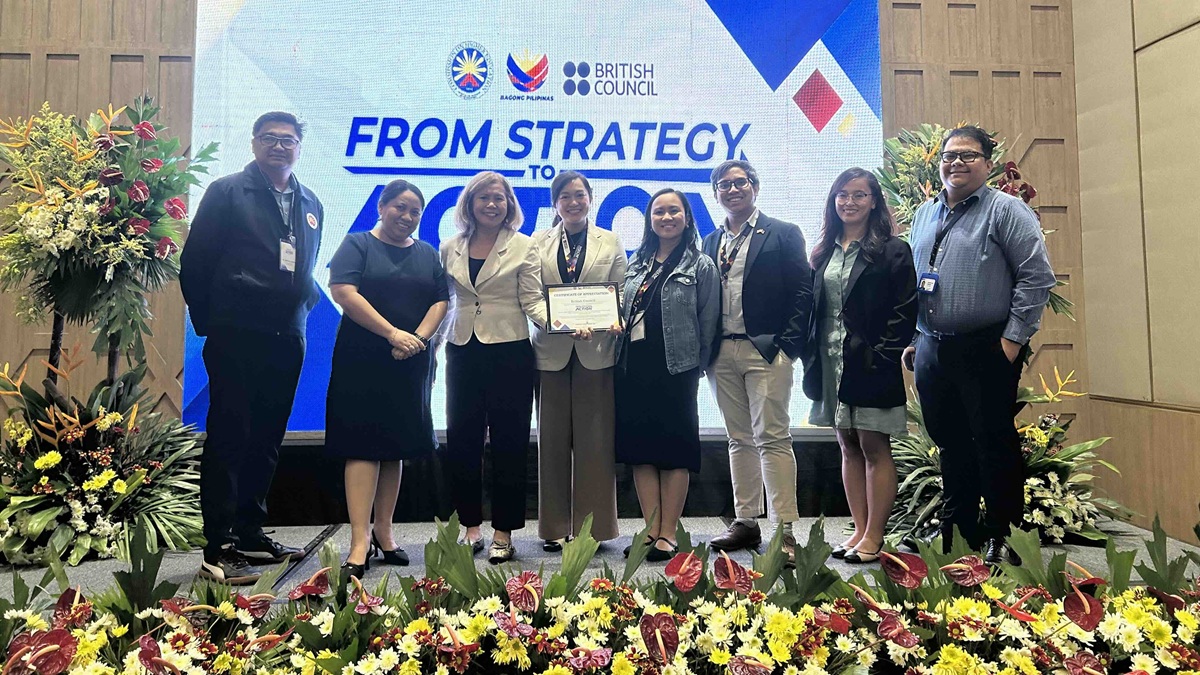
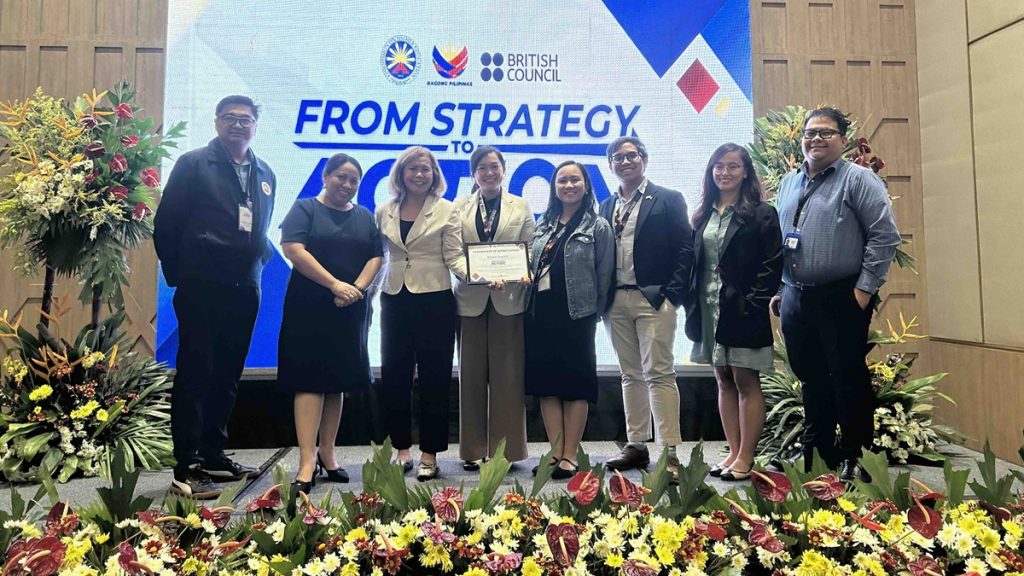
The Commission on Higher Education (CHED) and the British Council have taken a significant step toward strengthening Transnational Higher Education (TNHE) in the Philippines, bringing together key stakeholders to help shape the country’s international education agenda through 2030.

Earlier this month, CHED and the British Council convened more than 70 representatives from government agencies, higher education institutions, development partners, and international organizations to refine the Philippines’ TNHE National Strategy and its implementation roadmap through 2030.
The strategy seeks to connect Filipino learners with globally benchmarked education and industry-relevant skills in priority fields such as technology, healthcare, engineering, and business services. It also supports national development priorities, including strengthening workforce competitiveness and accelerating the growth of the digital economy.
Strengthening Philippine Higher Education Through Global Partnerships
The TNHE National Strategy positions international education partnerships as an important tool for strengthening Philippine higher education and talent development.
Through collaboration with UK institutions, and by drawing on the strengths of a globally recognized higher education sector that includes three of the world’s top 10 universities, Philippine universities can provide students with access to global expertise, innovative teaching approaches, and internationally recognized qualifications.
At the same time, these partnerships are intended to remain responsive to the needs of local industries and communities.
Workshop participants also identified priority actions, governance arrangements, financing approaches, and monitoring mechanisms that will guide implementation of the strategy over the next four years.
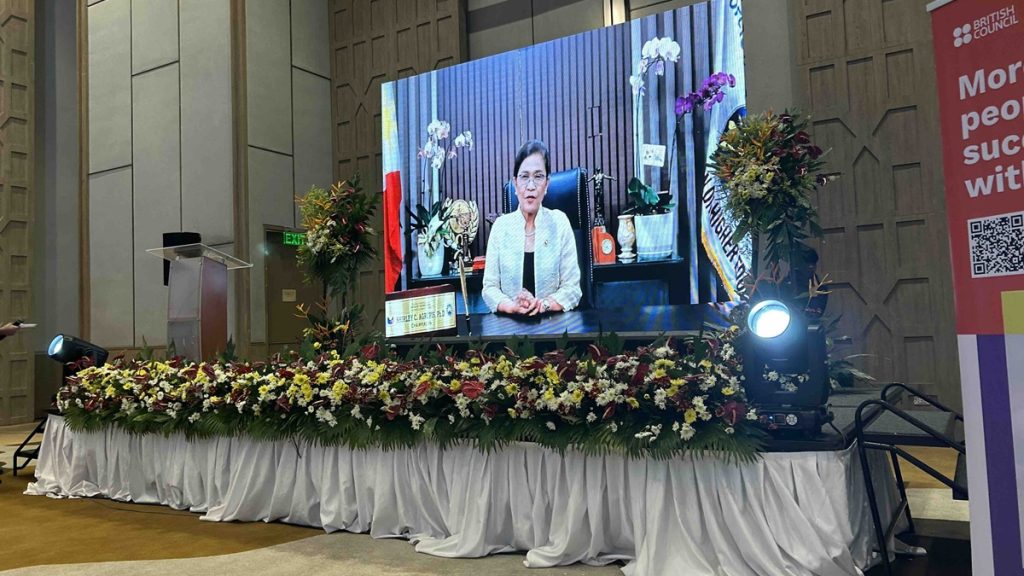
“The TNHE National Strategy supports CHED’s Achieve Agenda 2030, particularly our commitment to internationalization. It creates global opportunities for Filipino students and faculty, brings quality international education to the Philippines’ human capital development, keeps higher education responsive to industry and workforce needs, and vitalizes governance that protects quality while enabling innovation,” said CHED Chairperson Shirley C. Agrupis in a recorded message.
Expanding Pathways to International Qualifications
TNHE also creates additional pathways for Filipinos seeking international qualifications. By bringing UK education opportunities closer to home, the strategy can help widen access to international learning while supporting the development of skills needed in an increasingly technology-driven economy.
“Transnational higher education is most impactful when it is aligned with national priorities. By connecting Philippine institutions with leading international partners and drawing on the UK’s experience in international education partnerships, TNHE brings new knowledge, expertise and opportunities into the country, helping Filipino learners build the capabilities they need to participate and succeed in a changing global economy,” shared Lotus Postrado, Country Director of the British Council Philippines.

Demand for international education continues to grow among Filipino learners. During the 2024–25 academic year, 1,225 Filipino students enrolled in UK higher education institutions, while 655 studied through UK TNHE programs delivered in the Philippines.
These figures reflect continued interest in the UK higher education system, which is widely recognized for its emphasis on employability and close collaboration with industry. Such connections help prepare graduates with skills relevant to an increasingly competitive global workforce.
The numbers also highlight the growing interest in international learning and the potential for further partnerships between UK and Philippine higher education institutions.
Building Skills for the Philippines’ Future
“Education remains at the heart of the UK’s partnership with the Philippines. Through Chevening scholarships and education, science and cultural partnerships, we are helping create opportunities, strengthen skills and deliver tangible benefits for communities. This strategy marks an important step in ensuring that Filipino learners can access world-class UK qualifications while building the skills their country needs for the future,” said Sarah Hulton, British Ambassador to the Philippines.
The TNHE National Strategy reflects a shared effort to strengthen internationalization while ensuring that global education partnerships contribute meaningfully to the Philippines’ workforce and development priorities.
CHED and the British Council will continue working with partners to support the implementation of the strategy and advance the role of transnational higher education in the Philippines’ long-term education and talent development agenda.