The first Interceptor barrier in the Manila Bay region to be operational by June 2026
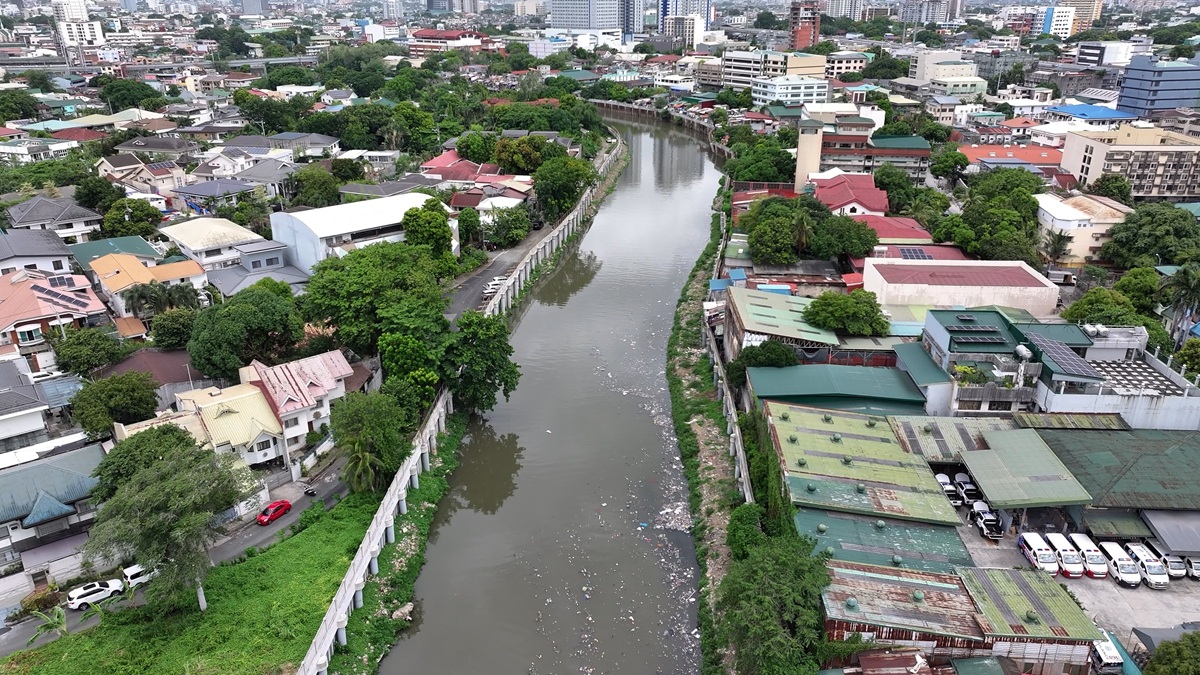
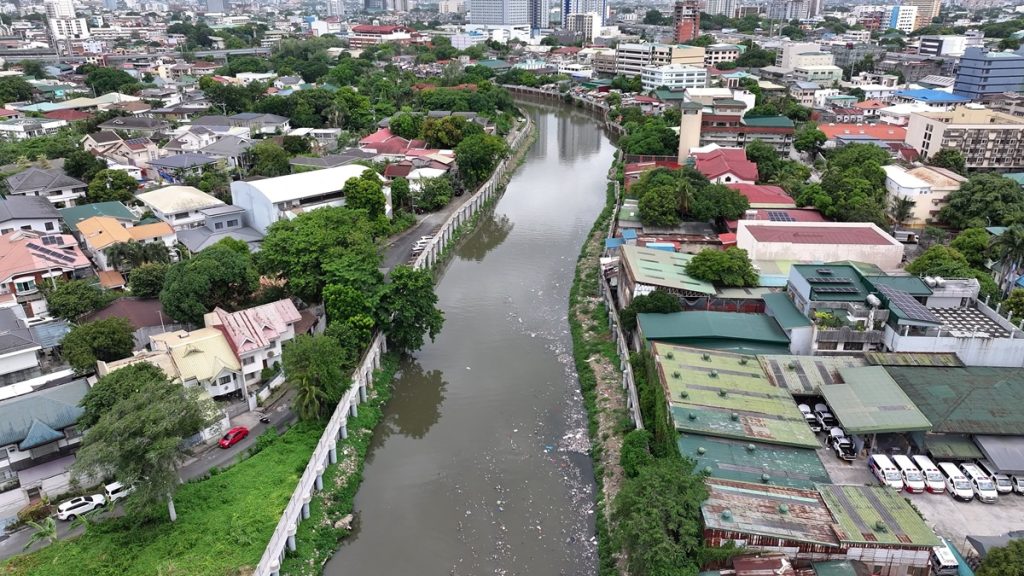
Global non-profit The Ocean Cleanup is advancing its mission to curb ocean-bound plastic pollution with the deployment of its first Interceptor™ barrier in the Philippines, set for installation in the Meycauayan River by June 2026. The initiative marks a significant step in protecting the Manila Bay ecosystem from escalating plastic waste.
The deployment forms part of the organization’s global 30 Cities Program, a large-scale effort aimed at reducing river-borne plastic pollution by up to one-third worldwide by the end of the decade. With Manila Bay identified as a critical area, the Philippines plays a key role in this broader environmental strategy.
Strengthening local action through global innovation
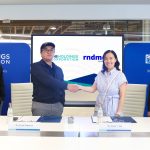
In partnership with the City of Meycauayan and supported by its City Environment and Natural Resources Office (CENRO), the new Interceptor barrier will replace an existing trash trap—significantly boosting the river’s capacity to capture plastic waste before it flows into Manila Bay.
The upgraded system is expected to intercept an estimated 370 to 540 tonnes of plastic waste annually from the Meycauayan River alone, contributing to a more sustainable and cleaner waterway.
For Boyan Slat, the milestone underscores the importance of collaboration: the project represents a concrete step toward cleaner rivers and healthier communities, made possible through strong local leadership and shared commitment.
Echoing this, Henry Villarica emphasized the city’s continued efforts to rehabilitate the river, noting that the partnership strengthens their ability to drive long-term environmental progress for future generations.
Addressing a growing environmental challenge
The urgency of the initiative is clear. Each year, the Philippines contributes an estimated 20,000 to 33,000 tonnes of plastic waste into the ocean. Within the Manila Bay region alone, annual emissions are projected at 3,500 to 4,400 tonnes, according to The Ocean Cleanup’s Smart River Survey.
Globally, rivers remain a primary source of ocean plastic, with around 1,000 rivers responsible for 80% of marine plastic pollution. By deploying Interceptor solutions directly in these waterways, The Ocean Cleanup aims to stop waste at its source—before it reaches the ocean.
Expanding partnerships for greater impact
The project also highlights a growing network of collaborations, involving key stakeholders such as the Embassy of the Philippines in the Netherlands, the Embassy of the Kingdom of the Netherlands in the Philippines, and Energies PH. Together, these partners are working to scale solutions that address ocean-bound plastic pollution across the country.
Looking ahead, The Ocean Cleanup plans to deepen its engagement with local government units and organizations nationwide—expanding beyond interceptor deployments to include research, education, and awareness initiatives.
As the Philippines continues to confront the growing plastic crisis, this landmark deployment signals a shift toward actionable, scalable solutions—where global innovation meets local commitment to protect waterways and preserve marine ecosystems.