Financial technology has significantly expanded access to payments and digital financial services across the Philippines. Yet, persistent gaps in inclusion and reach remain a pressing concern, particularly for Filipinos without official documentation—a basic requirement for participating in the digital economy.
A study by the Bangko Sentral ng Pilipinas (BSP) found that 40 percent of adult Filipinos remain unbanked due to a lack of required documents, including valid identification cards. To help address this barrier, the Philippine Statistics Authority (PSA) and GCash have joined forces to expand National ID registration nationwide, with a particular focus on underserved communities.
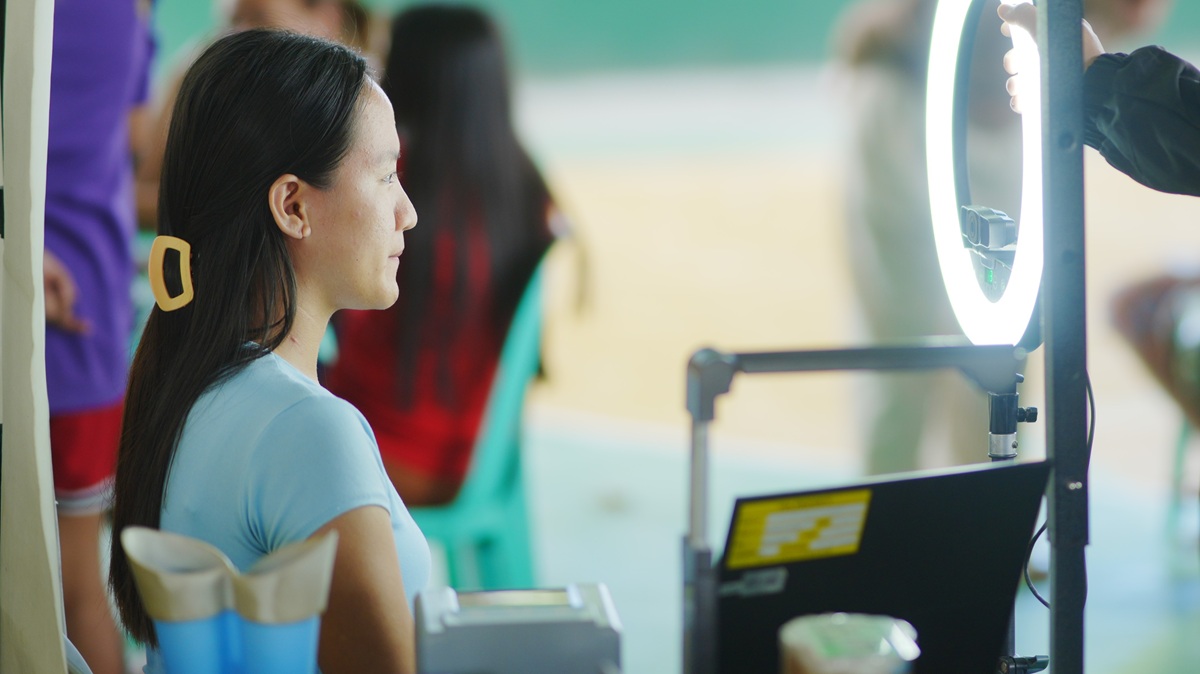
Through the combined efforts of PSA Co-location and GCash Barangay Outposts—a mobile, on-demand initiative that brings ID registration and e-wallet registration closer to communities—more than 2,000 Filipinos across over 25 barangays nationwide have been assisted in securing their National IDs and opening verified GCash accounts.
“Dahil dito sa financial services ng GCash, pwede silang magka-e-wallet. So dito mas maraming magre-register [para sa ID] kasi mas marami ang gustong mag-apply sa services ng GCash tulad sa e-wallet,” said Ronnie Mallillin, a PSA registration officer in Cavite.
(Because of the financial services in the GCash app, more people will register for an ID to access features like the e-wallet.)
With a National ID in hand, Filipinos can take their first steps toward accessing formal financial services, essential services, and new opportunities that can help them build a more secure and empowered future.
Financial Services Within Reach

Danielle, 19, is among the Filipinos assisted by the PSA and GCash through the National ID registration initiative.
After being forced to put her studies on hold to help support her family, Danielle turned to street vending to cover their daily needs while saving for the day she could return to school.
But pursuing her goals also meant gaining access to digital financial services. Without a valid government-issued ID, however, she could not open formal financial accounts.
Her new National ID changes that.
With valid identification, Danielle can now open a GCash account and gain access to financial tools that could help her grow her livelihood—including potential access to loans that can support business expansion.
Through its lending arm, Fuse Financing Inc., GCash provides Filipinos with digital loans featuring flexible options and fair terms. These loans can help customers manage expenses, invest in opportunities, or scale small businesses. As of the end of 2025, Fuse had disbursed ₱362 billion in loans to 10.5 million unique borrowers.
For now, Danielle remains focused on supporting her mother, who earns a living through laundry work, following the passing of her father. At the same time, she continues to hold on to her goal of returning to school, with hopes of enrolling again by next year.
Building Businesses with GCash
Like Danielle, Alma sees digital financial services as a potential pathway to increasing her income.
The housewife from Bulacan hopes to establish a neighborhood business offering bill payment services, creating an additional source of livelihood while providing a much-needed service within her community.
Her plan involves GCash Pera Outlet Plus, a separate app designed for nano, micro, small, and medium enterprises. The platform allows business owners to offer cash-in and bill payment services to people in their communities.
Through the app, entrepreneurs can serve both GCash users and unbanked customers with services including Send Money, Cash In, Cash Out, Bills Payment, and Buy Load.
Alma’s plans reflect the growing demand for accessible digital financial services—and the livelihood opportunities that can emerge when communities gain easier access to them. They also highlight the role digital platforms like GCash can play in supporting and strengthening Filipino livelihoods.
Her interest in opening a GCash account began during the pandemic. At the time, several friends and relatives wanted to extend financial assistance to her, but they were unable to do so because she did not have a valid government-issued ID.
Now, with her National ID secured through the PSA, Alma is ready to explore and maximize the financial opportunities available to her.
Helping Loved Ones
For many Filipinos, financial inclusion is not only about managing their own money—it is also about staying connected to the people who matter most.
GCash aims to make sending money easier, a routine financial service that can remain out of reach for people without valid identification. For families separated by distance, however, the ability to send money quickly and conveniently can make a meaningful difference.
That is the experience of Eldie and Mutya.

Eldie, a construction worker who suffered a stroke, previously had to travel to stores whenever he needed to send money to his family. With his own GCash account, he can now transfer funds directly to his loved ones, making the process more convenient and accessible.
For Mutya, family is also a key motivation.
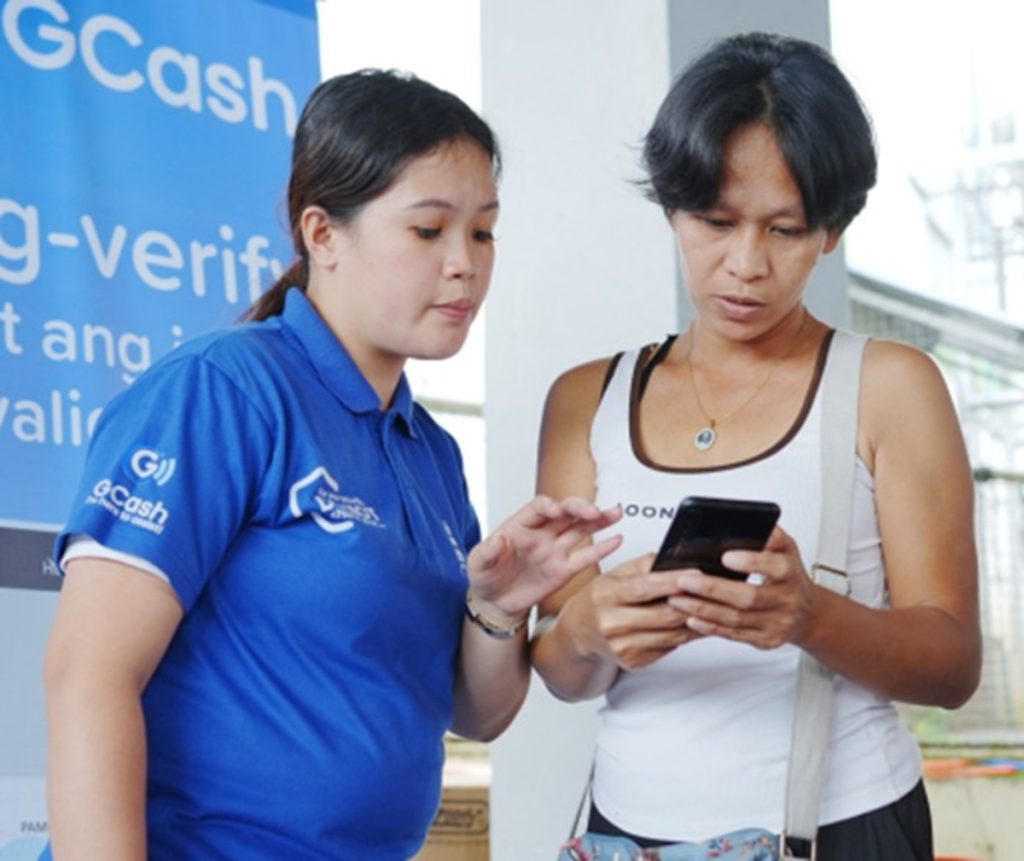
The laundrywoman from Quezon regularly sends money to her mother who lives in another town. She recalls how difficult it can be to travel to a store simply to send money or complete other transactions, especially during rainy weather.
With digital financial services, these everyday transactions can become much easier for both the sender and the recipient.
Joining the Digital Economy
GCash continues to prioritize financial inclusion by helping more Filipinos gain access to digital financial services and participate more fully in the country’s growing digital economy.
The need for greater access comes at a time when digital payments already account for more than half of all retail transactions in the Philippines, according to the Bangko Sentral ng Pilipinas. The central bank aims to increase this share to 60–70 percent by 2028.[2]
For Filipinos to fully participate in this shift, access must begin with the ability to establish a recognized financial identity.
“We want every Filipino to maximize the opportunities offered by the digital economy, and it all starts with having a valid ID. Accessing digital financial services opens doors to education, entrepreneurship, and better ways to manage their finances,” said Ren-ren Reyes Jr., president and CEO of G-Xchange Inc., the mobile wallet operator of GCash.
Ultimately, the partnership between the PSA and GCash demonstrates how access to proper identification can serve as a crucial first step toward financial inclusion. For Filipinos like Danielle, Alma, Eldie, and Mutya, obtaining a National ID is more than securing a document—it can open the door to financial services, livelihood opportunities, greater convenience, and a more connected future in the digital economy.