Commuting on Light Rail Transit Line 2 (LRT-2) has become faster and more convenient with the launch of the Philippines’ first rail-based automated fare collection system that seamlessly accepts EMV bank cards, mobile NFC wallets, and QR payments on a single interoperable platform.
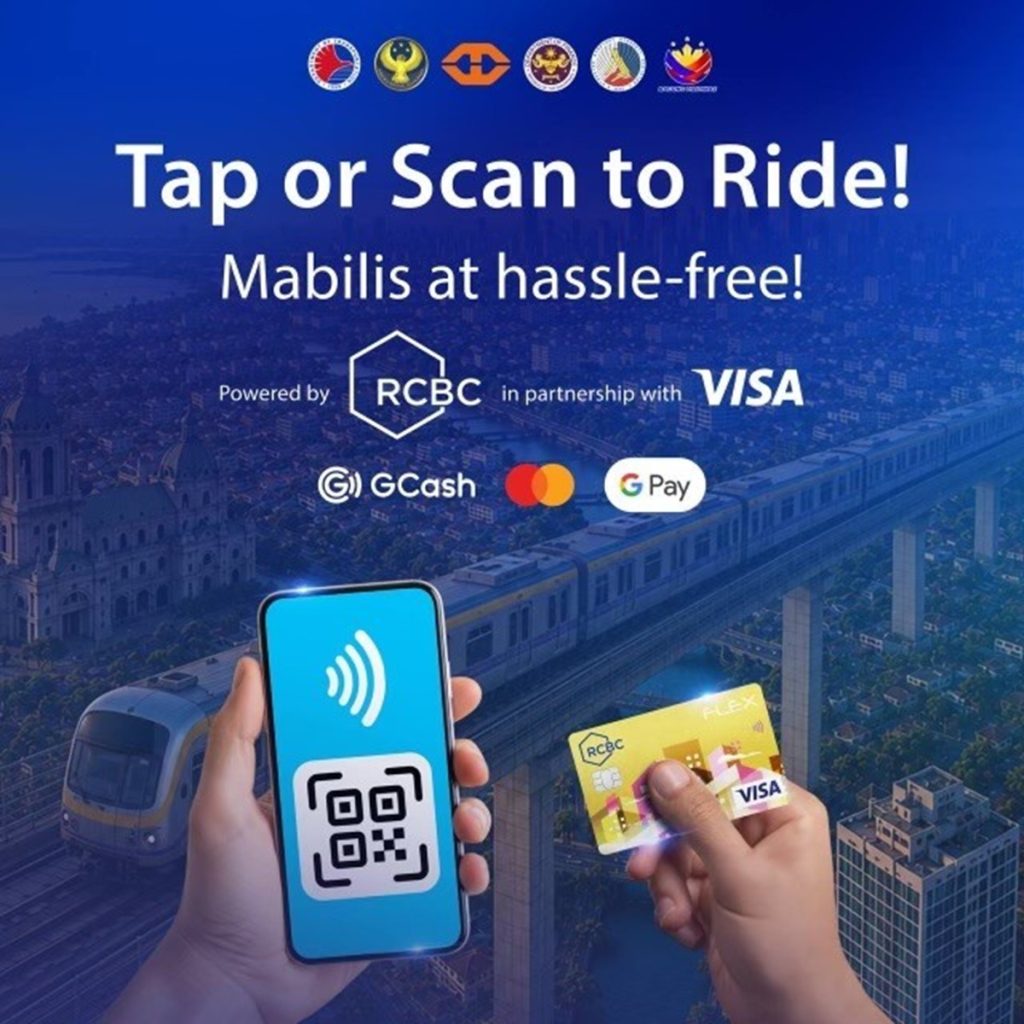
Passengers can now simply tap their Visa or Mastercard debit, credit, or prepaid cards, use Near Field Communication (NFC)-enabled mobile wallets such as Google Pay, or scan GCash QR to pay for their fares—eliminating the need for a dedicated transit card and ushering in a new era of cashless commuting.
The groundbreaking initiative is powered by Rizal Commercial Banking Corporation (RCBC) in partnership with Visa, the Light Rail Transit Authority (LRTA), and the Department of Transportation (DOTr). It marks a significant milestone in the government’s digital transformation agenda, bringing Philippine public transportation closer to the seamless transit systems found in major cities around the world.
One Platform, Multiple Ways to Pay
Built as a bank-agnostic and future-ready solution, the new payment platform allows commuters to use eligible payment cards and digital wallets issued by participating banks, electronic money issuers, and fintech providers.
By supporting globally accepted payment methods through one interoperable system, the platform simplifies the commuting experience while making public transportation more accessible, efficient, and inclusive for millions of Filipinos.
“We are grateful for the trust and partnership of the DOTr and LRTA as we continue building accessible and future-ready digital ecosystems for Filipinos,” said Reggie Cariaso, President and CEO of RCBC.
“Beyond banking, we see digital finance as an enabler of more connected, seamless, and efficient daily experiences.”
Exclusive Cashback for RCBC Cardholders
To encourage commuters to experience the new payment system, RCBC is launching its PISO Fare Cashback Promo from July 13 to July 31.
The promotion is available exclusively to RCBC Debit and Credit Card holders, as well as MySSS RCBC DiskarTech Debit Card users, giving them the opportunity to enjoy fare cashback while experiencing the country’s newest interoperable cashless transit payment solution.
Modernizing Public Transportation
Transportation authorities expect the digital fare collection system to significantly improve passenger convenience and operational efficiency for the more than 58.7 million commuters who ride LRT-2 every year.
The initiative also reinforces the government’s ongoing efforts to modernize public transportation while accelerating the country’s transition toward a digitally connected economy.
According to Lito Villanueva, RCBC Executive Vice President and Chief Innovations and Inclusion Officer, the project represents a transformative moment for Philippine mobility.
“This is a defining milestone in the modernization of Philippine public transportation,” Villanueva said.
“For the first time, commuters can seamlessly use their everyday bank cards, mobile NFC wallets, and QR payments in one interoperable transit ecosystem. By making commuting simpler, faster, and more inclusive, we are accelerating digital adoption, advancing financial inclusion, and bringing the Philippines closer to the digital transport systems found in leading global cities.”
Expanding the Country’s Digital Transit Network
For Visa, the LRT-2 rollout further strengthens its commitment to supporting digital mobility across the Philippines.
“The LRT-2 automated fare collection system is Visa’s fifth transit project in the Philippines, following MRT-3 and bus systems in Cebu, Mandaue, and Bacolod,” said Jeffrey Navarro, Visa Country Manager for the Philippines.
“Through our partnership with RCBC and the Philippine government, we are helping expand access to secure and interoperable digital payments that improve commuter convenience, urban mobility, and economic productivity.”
Meanwhile, Arniel Vincent Ong, President and CEO of RCBC Credit Cards, emphasized how initiatives like this continue to make digital payments an integral part of everyday life.
“As more Filipinos embrace cashless lifestyles, initiatives like this make digital payments even more practical for daily commuting. We are proud to help deliver secure, convenient, and interoperable payment solutions that benefit millions of commuters.”
Driving Financial Inclusion Through Innovation
The LRT-2 project forms part of RCBC’s broader strategy to expand digital financial services through innovations such as RCBC Pulz, RCBC DiskarTech, and RCBC ATM Go, alongside strategic partnerships with government agencies, global payment networks, and fintech companies.
By integrating secure, globally accepted payment technologies into everyday public transportation, RCBC is helping build a more inclusive, connected, and future-ready digital economy—one tap, one scan, and one commute at a time.
![[Key Visual 6] PRSP Appoints PR Leader Doris Isubal-Mongaya to Head Visayas Regional Network_1](https://www.wazzup.ph/wp-content/uploads/2026/10/Key-Visual-6-PRSP-Appoints-PR-Leader-Doris-Isubal-Mongaya-to-Head-Visayas-Regional-Network_1-218x150.jpeg "Doris Isubal Mongaya PRSP Visayas Leadership")





![[Key Visual 6] PRSP Appoints PR Leader Doris Isubal-Mongaya to Head Visayas Regional Network_1](https://www.wazzup.ph/wp-content/uploads/2026/10/Key-Visual-6-PRSP-Appoints-PR-Leader-Doris-Isubal-Mongaya-to-Head-Visayas-Regional-Network_1-150x150.jpeg "Doris Isubal Mongaya PRSP Visayas Leadership")