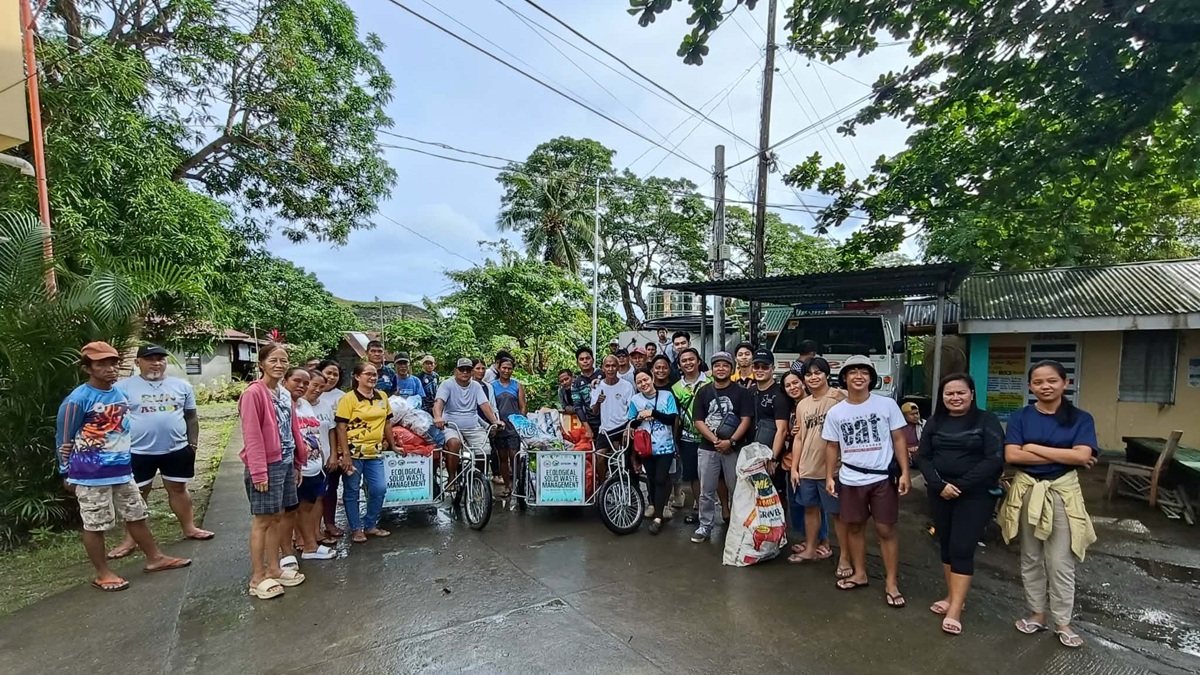
In coastal communities like Pio Duran, everyday waste management is more than routine—it directly shapes environmental health and the livelihoods that depend on it. Recognizing this, Epson Philippines Corporation (EPC), in partnership with World Wide Fund for Nature Philippines, has successfully completed the Pio Duran Waste Management Enhancement Project, a community-driven initiative designed to strengthen local waste systems from the ground up.
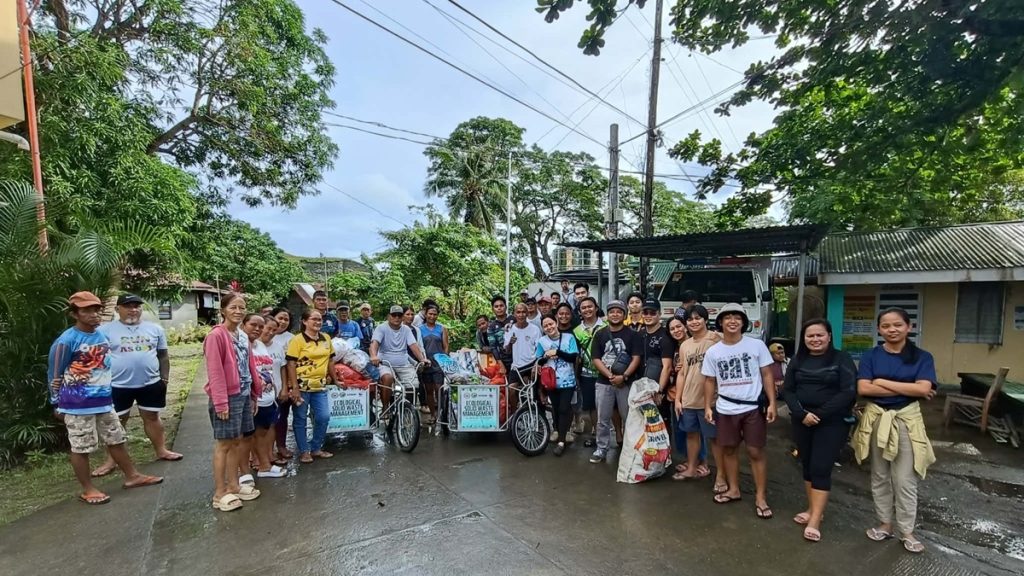
Anchored on Epson’s “Engineered for Good” campaign, the project demonstrates how technology, collaboration, and community engagement can deliver practical, long-term environmental solutions.
Strengthening Frontline Waste Management
Situated within the Ticao-Burias Pass Protected Seascape, Pio Duran plays a critical role in safeguarding marine ecosystems that sustain fishing, tourism, and local livelihoods. However, limited waste collection coverage and inadequate recycling infrastructure have contributed to plastic leakage into waterways and mangrove areas—posing risks to both biodiversity and the local economy.
To address these challenges, the initiative focused on enhancing waste management at the barangay level—the frontline of collection and control.
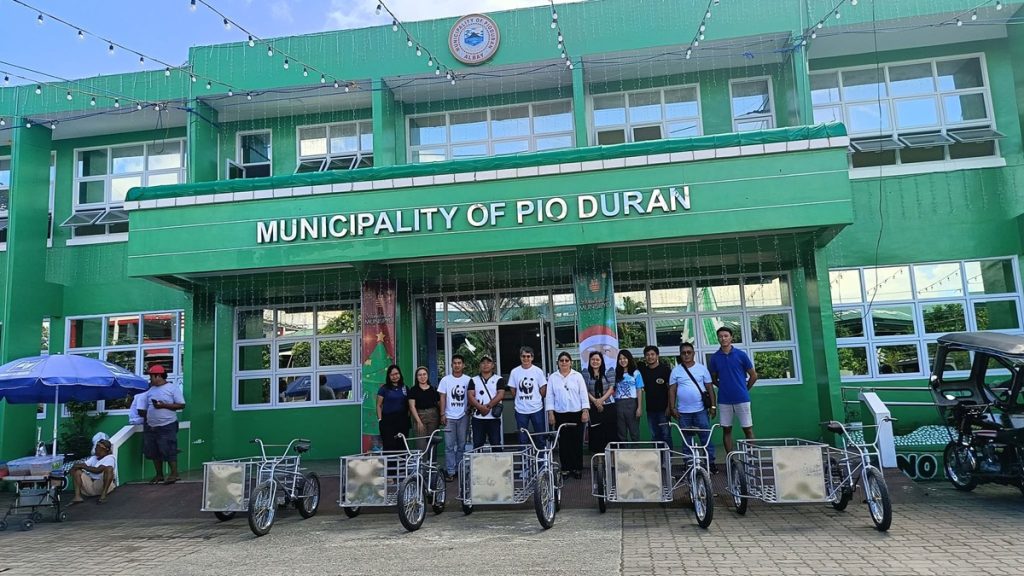
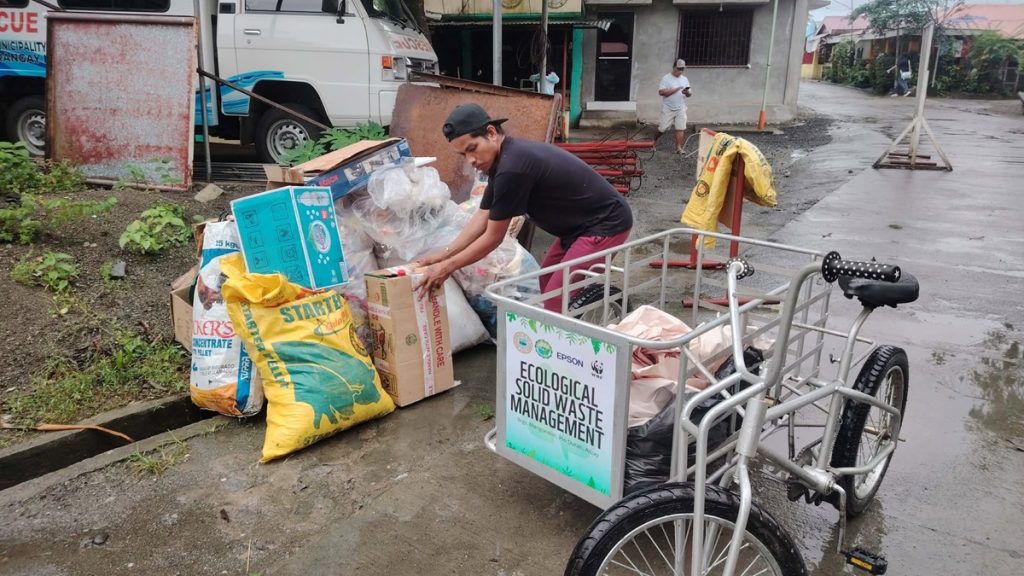
Five padyak collection units were deployed across three barangays, significantly improving access to waste services for previously underserved households. As a result, communities now collect an average of 367.5 kilograms of mixed waste and 132.5 kilograms of plastic waste weekly, ensuring more consistent and reliable waste handling.
Expanding Waste Segregation and Recycling
To complement collection efforts, six segregation bins were installed in high-traffic areas, including the municipal port and a mangrove ecotourism site. These bins capture up to 21 kilograms of waste per week, helping prevent plastic from reaching coastal and marine ecosystems.
At the municipal level, recycling capabilities were also enhanced through the introduction of a plastic extruder, working alongside an existing shredder. This enables the community to convert collected plastic into usable materials such as eco-bricks—supporting waste diversion and reducing dependence on external disposal systems.
Building Local Capacity for Long-Term Impact
A key pillar of the project was capability building. A two-day training program engaged 65 participants from 19 barangays, equipping local officials and waste workers with practical knowledge in waste segregation, planning, and implementation.
This led to the development of updated solid waste management plans, providing a structured roadmap for coordinated action over the next three years.
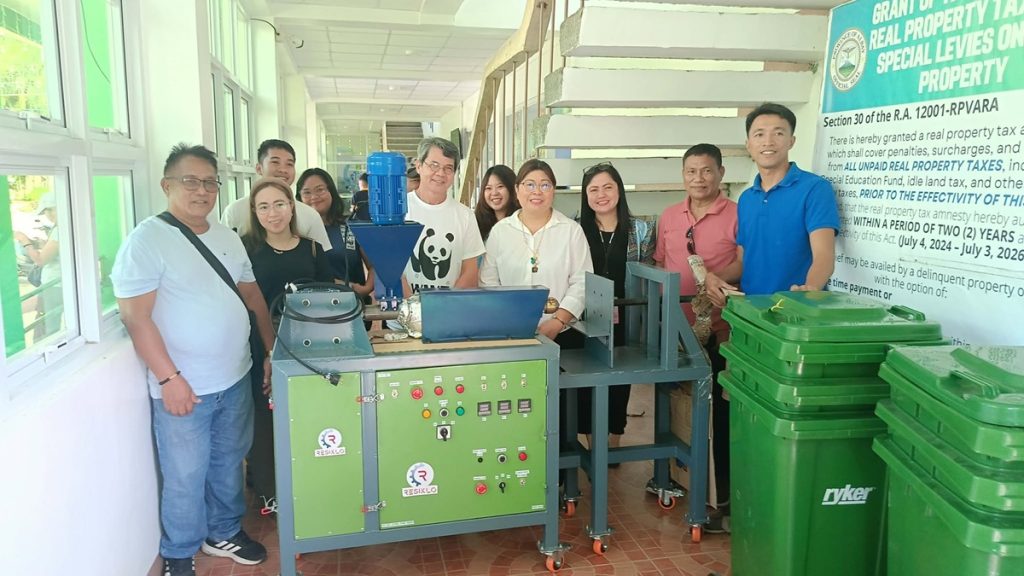
Community engagement further reinforced these efforts. Two cleanup drives in the Marigondon mangrove area mobilized 100 volunteers, removing 205.9 kilograms of waste from a site highly vulnerable to accumulation due to tidal movement and human activity. Beyond cleanup, these initiatives fostered greater awareness and shared responsibility among residents.
Driving Sustainable Change Through Collaboration
As part of a protected seascape that supports rich marine biodiversity, Pio Duran faces increasing pressure from growing coastal and tourism activities. Strengthening waste management systems is therefore essential—not only for environmental protection but also for sustaining local economic growth.
Masako Kusama, President and Director of Epson Philippines Corporation, emphasized the broader vision behind the initiative:
“Engineered for Good reflects how we approach our role in society. We apply our technology and work with partners in ways that create value that can be sustained over time. Collaboration with partners like WWF and local communities ensures that these efforts remain relevant, practical, and enduring.”
A Scalable Model for Community Resilience
With decades of innovation rooted in efficiency, precision, and sustainability, Epson continues to extend its expertise beyond technology—supporting programs that empower communities and protect shared resources.
The Pio Duran project stands as a working model of how localized, community-led solutions can address environmental challenges effectively. As local governments and residents carry these initiatives forward, the groundwork laid today paves the way for more resilient, sustainable waste management systems in the years ahead.



![[PR Photo] Fortinet - 06.05 - 1](https://www.wazzup.ph/wp-content/uploads/2026/07/PR-Photo-Fortinet-06.05-218x150.jpg "FIFA World Cup 2026: Cybercriminals Are Already Launching Attacks")