From Noche Buena through Media Noche, the Filipino Christmas season revolves around joyful reunions, lively celebrations, and dining tables brimming with beloved holiday classics. Yet while sharing food is at the heart of every gathering, an endless spread of savory, indulgent dishes and sweet desserts can easily throw off balanced eating routines.
According to Parkway Cancer Centre (PCC), savoring festive meals does not require swearing off traditional favorites or sticking to rigid diets. Instead, adopting a few simple, realistic tweaks allows Filipinos to fully enjoy the holiday feast without compromising their well-being.
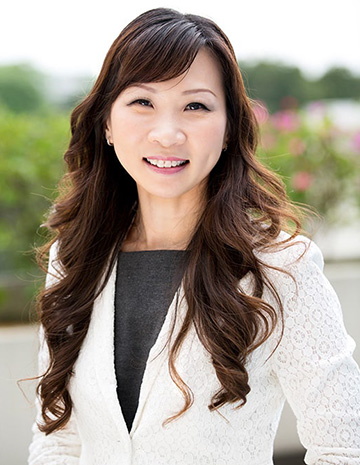
“Good nutrition is about balance, not restriction. The holidays are a time to enjoy food and celebrate with loved ones, and we can do that while still making mindful choices about what and how much we eat,” said Fahma Sunarja, Senior Principal Dietitian and Senior Manager, Allied Health at Parkway Cancer Centre.
Drawing on over 16 years of clinical experience at PCC, Sunarja offers seven practical strategies to help Filipinos enjoy holiday gatherings without neglecting their nutritional well-being.
Seven Ways to Eat Healthier During the Holidays
1. Don’t skip meals ahead of a feast.
Holding off on breakfast or lunch to “save room” for Noche Buena often backfires by triggering overeating later on. Stick to a steady meal schedule throughout the day, opting for smaller, more frequent portions to keep hunger in check.
2. Keep rice on your plate, but build a balanced meal.
Rice is a valuable energy staple and does not need to be cut out entirely. Instead, practice portion balance by pairing your rice with lean proteins—like fish, chicken, eggs, tofu, or beans—alongside plenty of vegetables.
3. Savor holiday classics in moderation.
Festive favorites such as lechon, ham, longganisa, tapa, and salted egg can still have a place at the table. Because processed and high-sodium foods are best enjoyed as occasional treats, families can also round out the menu with wholesome plant-forward dishes featuring tofu, monggo, or mushrooms and vegetables.
4. Lean into nutritious, budget-friendly Filipino staples.
Healthy holiday dining does not require splurging on pricey ingredients. Comforting, everyday Filipino dishes like tinola, sinigang, steamed fish, and monggo pack plenty of nourishment, while boiled kamote and saba make wholesome additions to meals or merienda. Planning menus in advance and estimating portions according to your guest list can also cut down on food waste and excess leftovers.
5. Prioritize proper food safety.
When cooking in big batches for family gatherings, safe food handling is crucial. Sunarja advises cooking dishes thoroughly, choosing fresh ingredients, defrosting frozen items safely inside the refrigerator, and storing leftovers in the fridge within two hours of serving.
6. Steer clear of crash diets and quick-fix cleanses.
As January nears, fad diets promising fast weight loss or instant “detoxes” often gain traction. Cutting out entire food groups or adopting extreme restrictions can leave the body short on vital nutrients. Sunarja also warns against assuming natural or herbal supplements are automatically risk-free, as certain ingredients can interact with prescribed medications. Always consult a qualified healthcare professional before starting supplements or making major dietary shifts.
7. Support healthy habits without pressuring loved ones.
Saying “Kain ka pa” is a beloved expression of Filipino warmth and hospitality, yet constantly nudging relatives to take another serving—or commenting on what is on their plate—can bring unintended stress. Letting everyone eat at their own pace while respecting personal dietary boundaries makes holiday meals far more relaxing for all.
Healthy Eating Goes Beyond the Holiday Season
Sunarja also noted that nutritional priorities shift depending on a person’s medical condition and life stage. For individuals undergoing cancer treatment, for example, getting enough calories and protein often takes precedence over standard healthy-eating guidelines. At PCC, dietitians collaborate closely with physicians and medical specialists to tailor nutrition plans to every patient’s unique needs.
“There is no single approach to nutrition that works for everyone. What matters is understanding your body’s needs and making choices that support your overall health. The goal is not to take the joy out of eating, but to help families enjoy their celebrations while building healthier habits beyond the holidays,” Sunarja said.
As Filipino families prepare to welcome 2027, PCC encourages everyone to embrace a balanced approach to nutrition, recognising that consistent, healthy habits matter more than any single holiday meal. To learn more about Parkway Cancer Centre’s services or to schedule an appointment, visit https://www.parkwaycancercentre.com/ph.
The information provided is general in nature and is not intended to replace individualised medical or dietetic advice.