Fleet modernisation and targeted expansion position AirAsia to capture growing Asean travel demand
Ongoing stakeholder collaborations reinforce the Group’s market position
Shared commitment across stakeholders in the aviation and tourism sectors key to maintaining affordable air travel across Asean
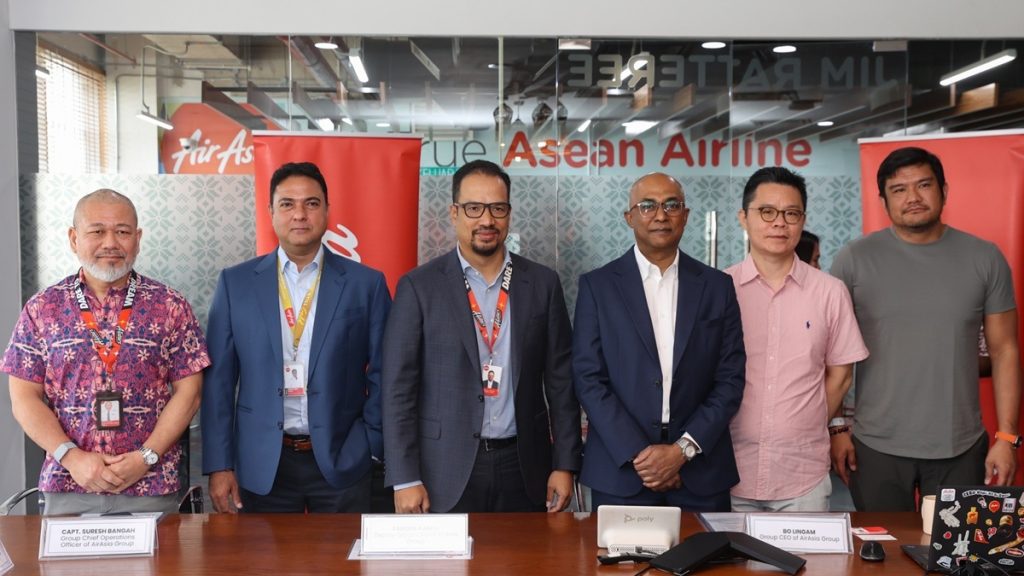
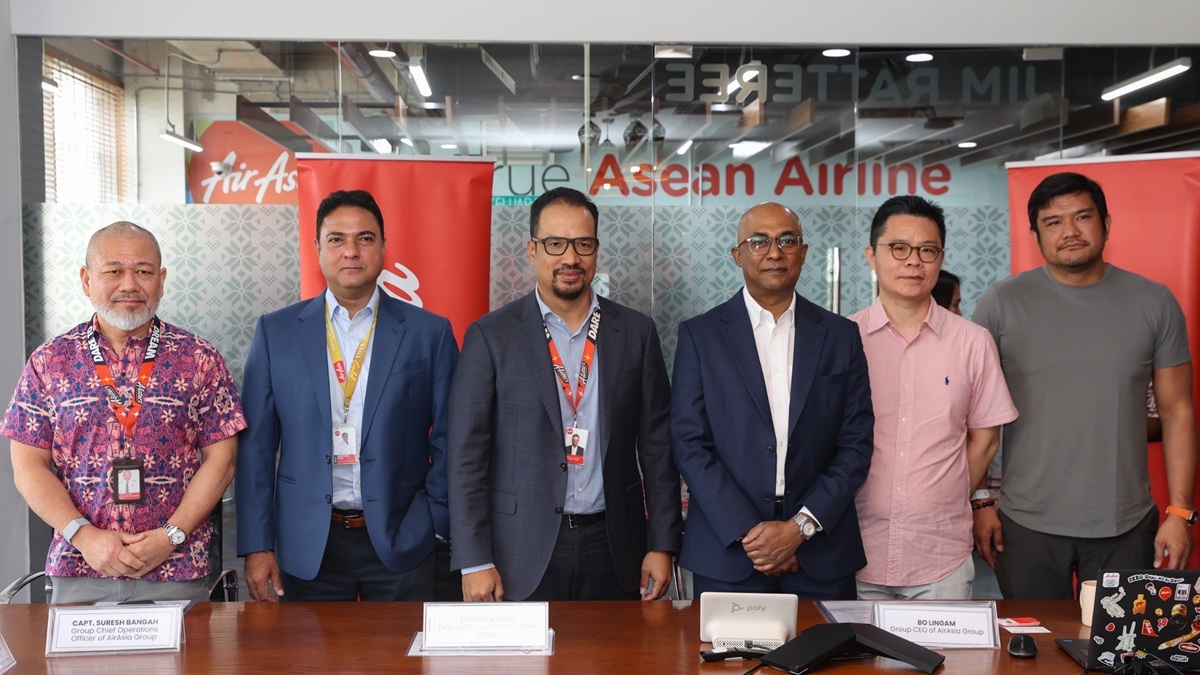
AirAsia Group is strengthening its position for long-term growth as it ramps up capacity, expands its route network, modernizes its fleet, and works to keep air travel affordable across ASEAN and beyond.
Buoyed by resilient travel demand and improving market conditions, the airline group is sharpening its focus on operational excellence, network efficiency, and sustainable expansion while building a more agile and scalable aviation ecosystem.
Restoring Capacity and Expanding Connectivity
AirAsia Group is now fully executing its growth strategy, steadily restoring aircraft capacity and flight frequencies across its network.
The airline expects to return to full operational capacity by August 2026, enabling it to meet rising demand while offering travelers greater connectivity across Asia and beyond.
As part of its expansion, AirAsia has introduced services to several new destinations, including Busan, Bahrain, London, Batam, and additional domestic routes.
The Group said it will continue evaluating new market opportunities with a disciplined approach, prioritizing routes that offer sustainable profitability, strong demand, and long-term growth potential.
Lower Airfares as Fuel Prices Ease
As global jet fuel prices continue to normalize, AirAsia is gradually restoring its signature low fares, making travel more affordable for the millions of passengers who rely on the airline each year.
Staying true to its mission of democratizing air travel, the airline aims to stimulate tourism, strengthen regional connectivity, and create greater economic opportunities throughout ASEAN by making flying more accessible.
Driving Operational Excellence
Over the past two quarters, AirAsia has further strengthened its operational performance through disciplined fleet management, network optimization, and cost control initiatives.
Since April 2026, the Group’s seven airlines have consistently achieved an average 85% on-time performance (OTP) while serving a network of more than 150 destinations.
The company is also accelerating its fleet modernization program by retiring older, less fuel-efficient aircraft and introducing the Airbus A321LR, which delivers up to 20% lower fuel consumption per seat.
Looking ahead, AirAsia plans to add the Airbus A220 to its fleet, further improving fuel efficiency, lowering operating costs, and enhancing long-term competitiveness.
Building a Smarter Aviation Ecosystem
AirAsia Group has also intensified its investment in digital transformation, leveraging artificial intelligence and data-driven technologies to improve operational efficiency and decision-making across the organization.
According to Bo Lingam, Group CEO of AirAsia Group, the challenges faced over the past several months have strengthened the airline’s resilience and sharpened its operational focus.
“Over the past several months, we have been reminded that resilience is not built during easy times but through how we respond to challenges. Throughout this period, the Group remained focused on strengthening our operations, improving efficiency and accelerating the adoption of AI and data-driven tools to support better decision-making and smarter execution across the business. Today, we are a stronger, more agile and more focused ecosystem because of it.”
Collaboration Key to Affordable Air Travel
As travel demand continues to recover across the region, AirAsia emphasized that keeping airfares affordable will require strong collaboration among airlines, airports, governments, and tourism stakeholders.
Bo Lingam expressed appreciation to the airline’s industry partners while calling for continued cooperation in building a more competitive aviation environment.
He stressed that avoiding increases in airport charges, taxes, and levies over the next one to two years will play a critical role in sustaining travel demand, strengthening regional connectivity, and supporting the broader economic recovery of ASEAN countries.
With tourism serving as a major economic driver across Southeast Asia, AirAsia believes maintaining affordable travel costs will benefit not only airlines but also businesses, communities, and millions of travelers throughout the region.
As the airline continues expanding its network, modernizing its fleet, and enhancing operational efficiency, AirAsia remains committed to delivering accessible, reliable, and value-driven air travel while supporting the continued growth of regional tourism and economic development.