As the world commemorates the World Day of Remembrance for Road Traffic Victims, road safety advocates renew their call for responsible driving, stronger traffic law enforcement, safer road infrastructure and the sustained implementation of technology-driven initiatives such as the No Contact Apprehension Policy (NCAP).
Every road crash victim represents a life lost too soon, a family left grieving, and a journey that will never reach its destination. As the world marks the Day of Remembrance for Road Traffic Victims every third Sunday of November, Filipinos are reminded that road crashes are more than traffic incidents or statistics. They are preventable tragedies that call for collective action from the government, motorists, and every road user.
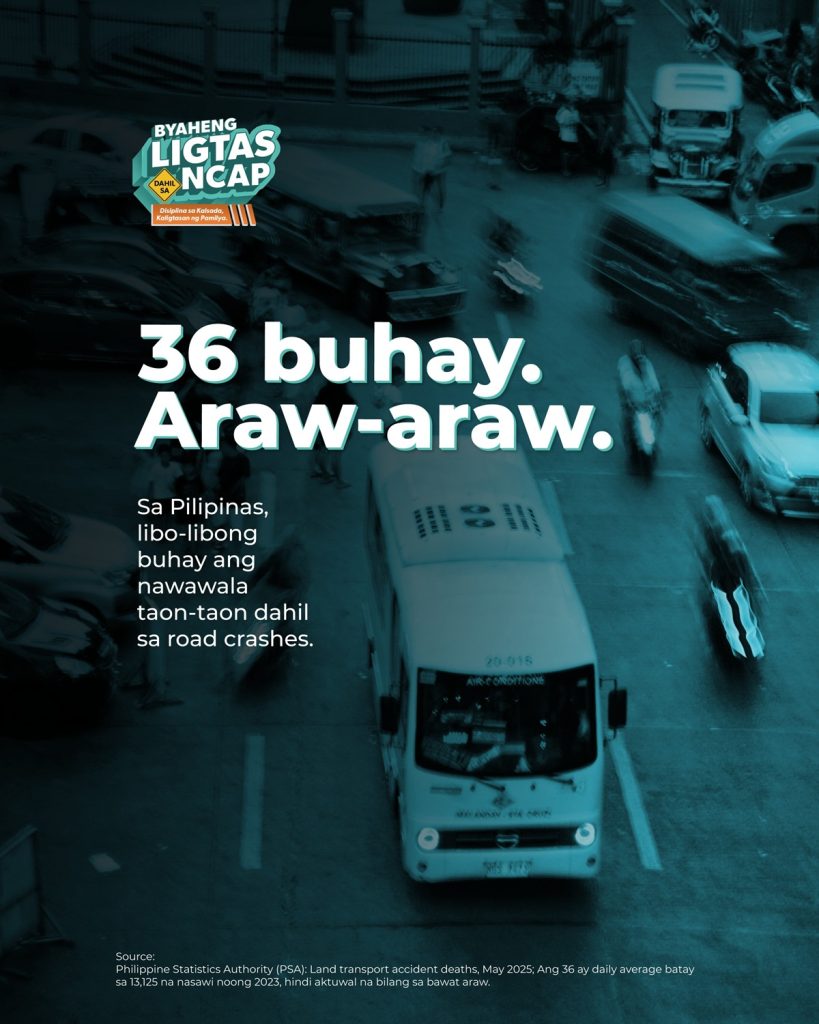
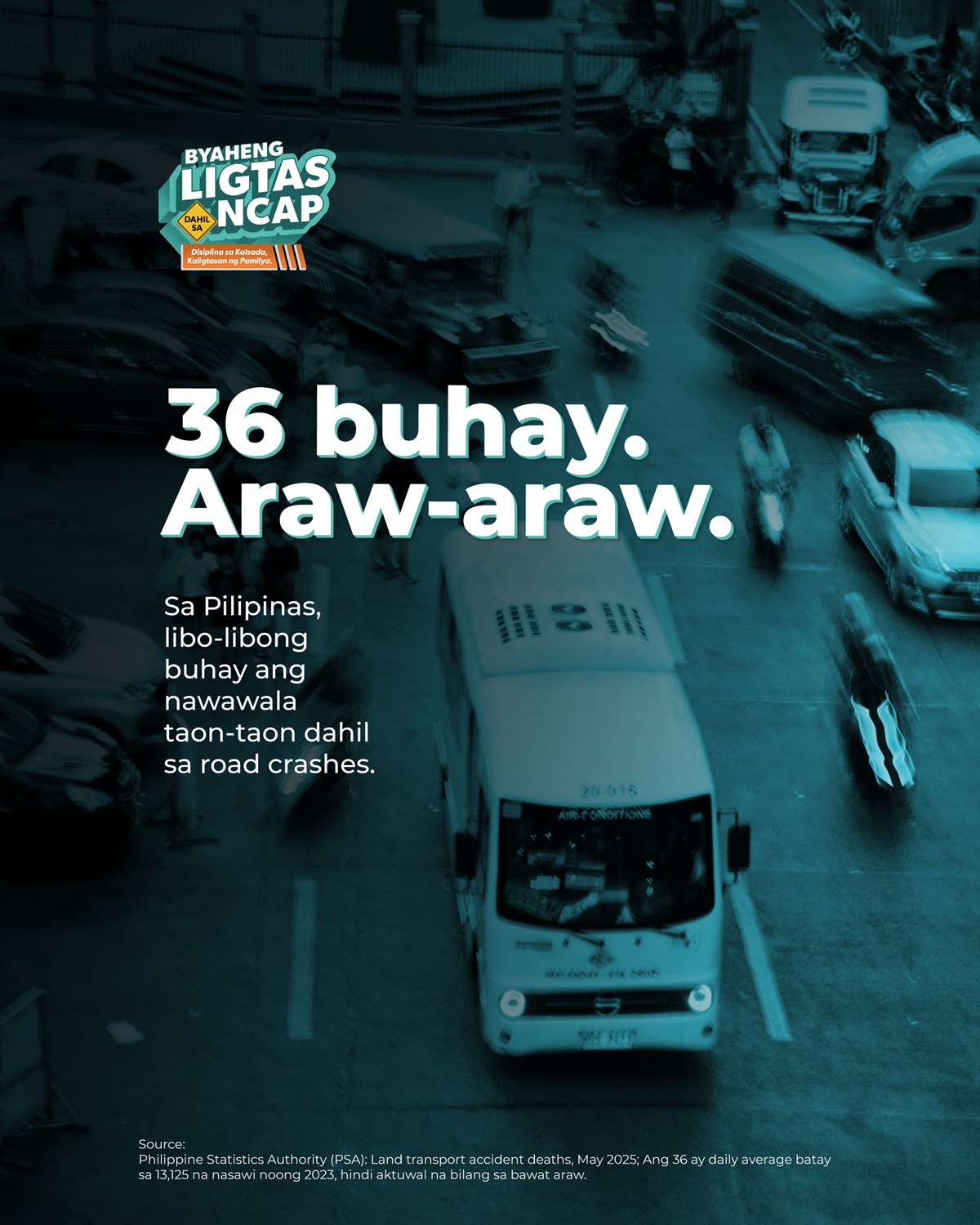
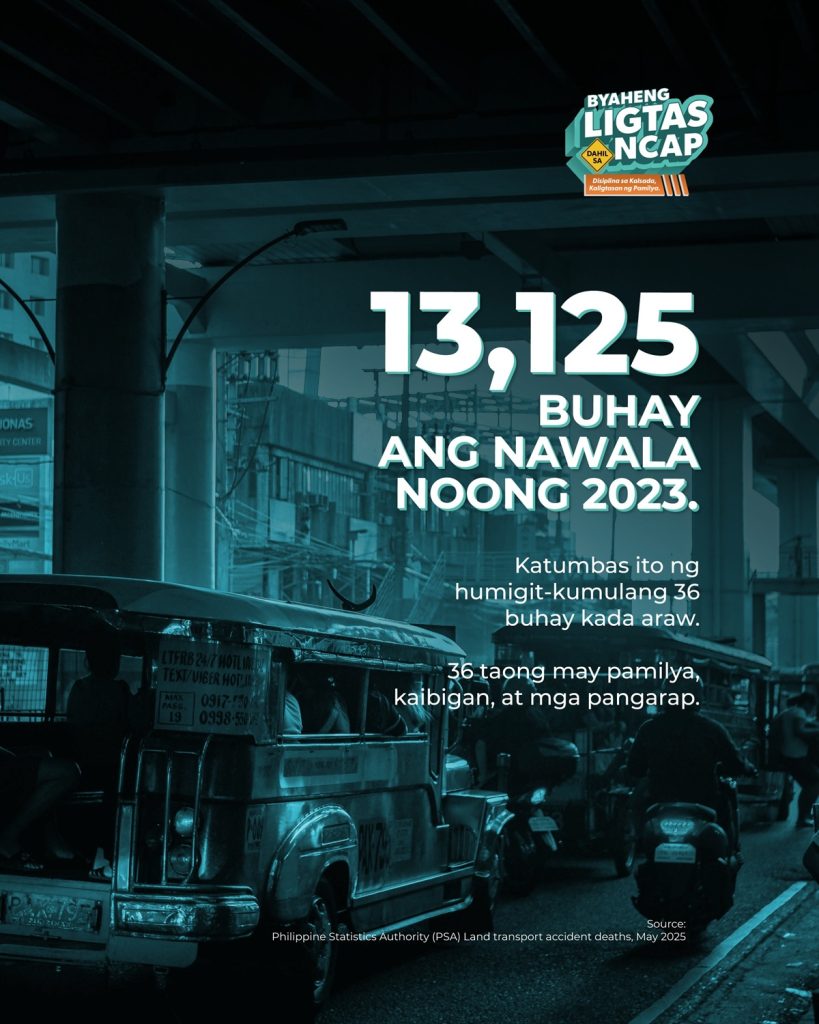
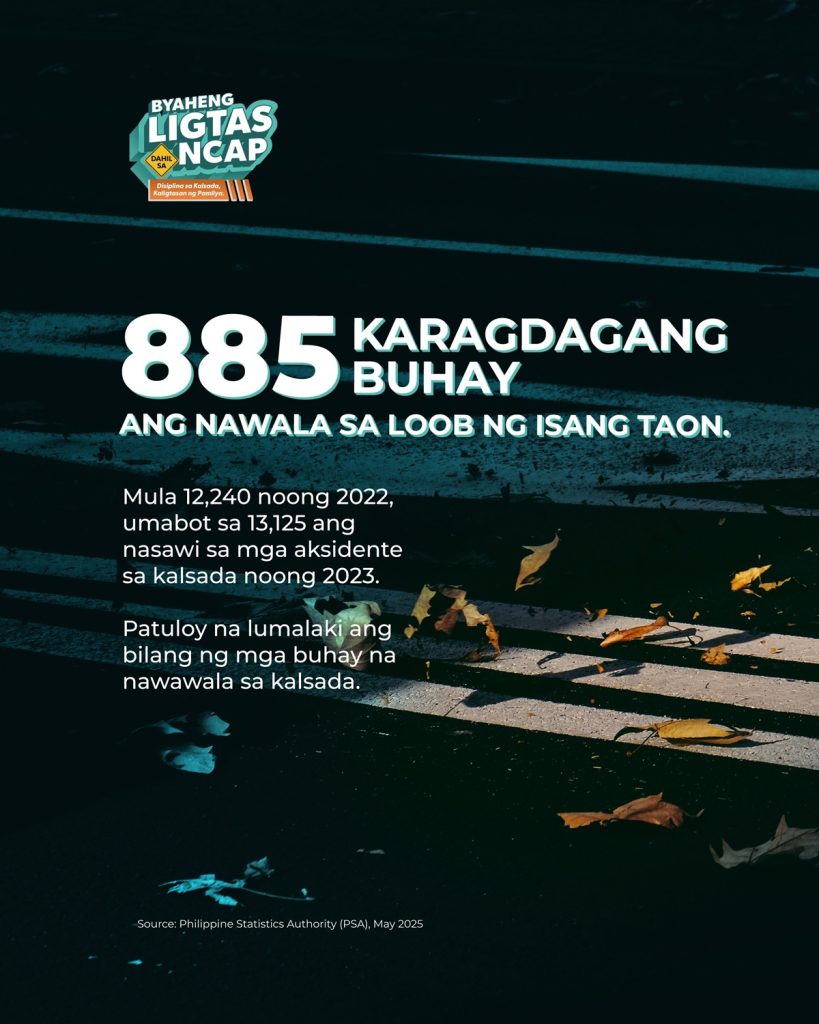
The numbers highlight the urgency of the issue. According to the Philippine Statistics Authority (PSA), 13,125 Filipinos died in land transport accidents in 2023—the highest figure recorded in more than a decade. This was a 7.2 percent increase from the 12,240 deaths reported in 2022, equivalent to approximately 36 fatalities every day and underscoring the country’s continuing road safety challenge.
More recent figures from the Philippine National Police–Highway Patrol Group (PNP-HPG) further emphasize the need for stronger road safety measures. From January 1 to October 15, 2026, the PNP recorded 118,658 road crash incidents nationwide, resulting in approximately 3,800 fatalities. In a separate report, the PNP-HPG disclosed that 3,816 lives had been lost during the same reporting period.
The PNP-HPG also identified overspeeding as the leading reported cause of road crashes, accounting for approximately 37,000 incidents. This was followed by improper overtaking with 20,700 cases and improper turning with 19,100. Drunk-driving incidents accounted for another 2,700 cases.
These figures highlight a sobering reality: road safety is everyone’s responsibility, and the consequences of reckless driving reach far beyond the person behind the wheel.
NCAP: MORE THAN APPREHENSION, A COMMITMENT TO SAVING LIVES
One of the key measures in promoting safer roads is the consistent and effective enforcement of traffic laws. The No Contact Apprehension Policy (NCAP) plays an important role in this effort by encouraging motorists to observe traffic regulations even when no traffic enforcer is physically present.
Using strategically installed traffic cameras and technology-assisted monitoring, NCAP helps detect traffic violations, strengthen accountability, and promote more disciplined driving habits. By minimizing direct interactions between motorists and apprehending officers, it also supports more objective and transparent traffic enforcement.
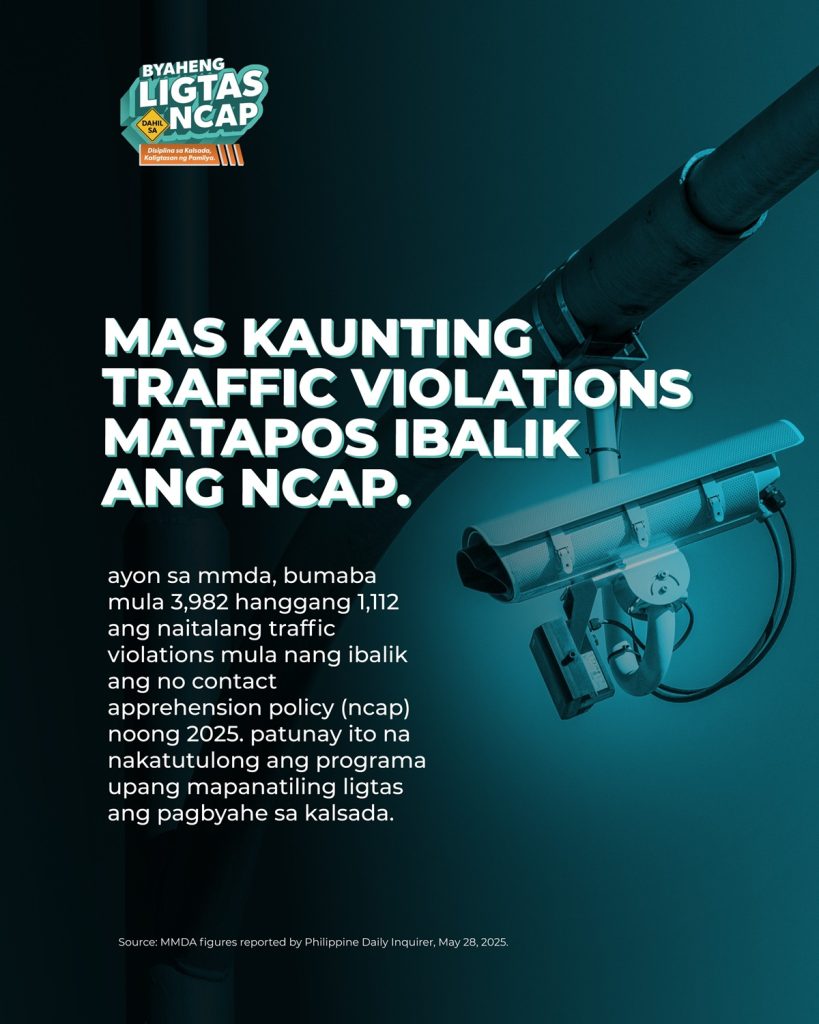
The policy’s potential deterrent effect was reflected in the initial figures following its reimplementation in Metro Manila in May 2025. According to the Metropolitan Manila Development Authority (MMDA), recorded traffic violations dropped from 3,982 on May 19 to 1,112 on the first day of NCAP’s reimplementation on May 26. MMDA officials cited the decline as an indication of the policy’s deterrent effect.
While the initial reduction in violations offers an encouraging sign of changing driver behavior, NCAP’s success should ultimately be measured by more than the number of apprehensions. Its broader purpose is to encourage compliance, discourage dangerous driving practices, and help build safer roads for motorists, passengers, pedestrians, cyclists, and motorcycle riders.
On October 5, 2026, the cities of Manila, Quezon City, Muntinlupa, and San Juan reinstated the No Contact Apprehension Policy (NCAP) on their local roads, strengthening efforts to promote traffic discipline and road safety.
In Manila, Mayor Isko Moreno reported at least 370 traffic violations within the first two days of implementation. These incidents, if left unaddressed, could create road hazards and potentially lead to accidents. The figures highlight the importance of proactive traffic enforcement in identifying and addressing unsafe driving behavior before it results in tragedy.
These developments reinforce the central advocacy behind NCAP: its purpose goes beyond apprehending traffic violators. More importantly, it aims to prevent violations from escalating into road accidents by fostering a culture of discipline, accountability, and mutual respect among all road users. Ultimately, NCAP is about protecting lives and making every journey safer.
ROAD SAFETY REQUIRES ACTION FROM EVERYONE
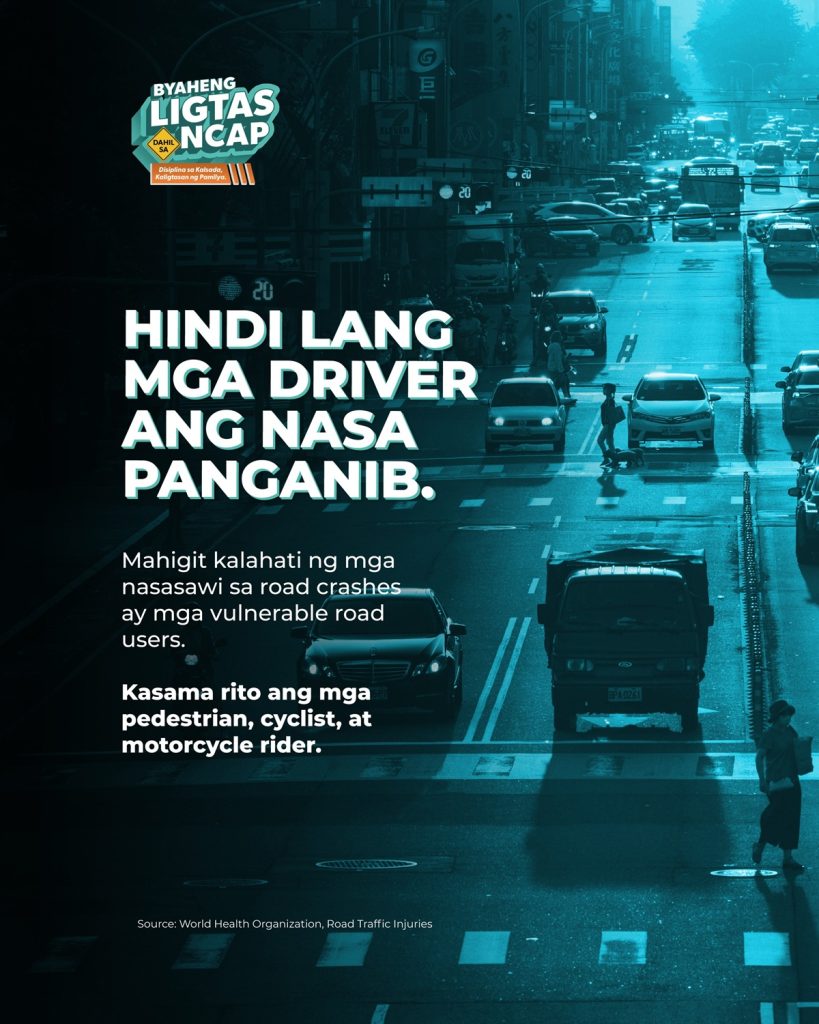
The World Health Organization (WHO) estimates that approximately 1.16 million people die in road traffic crashes worldwide each year. More than half of these fatalities involve vulnerable road users, including pedestrians, cyclists, and motorcyclists.
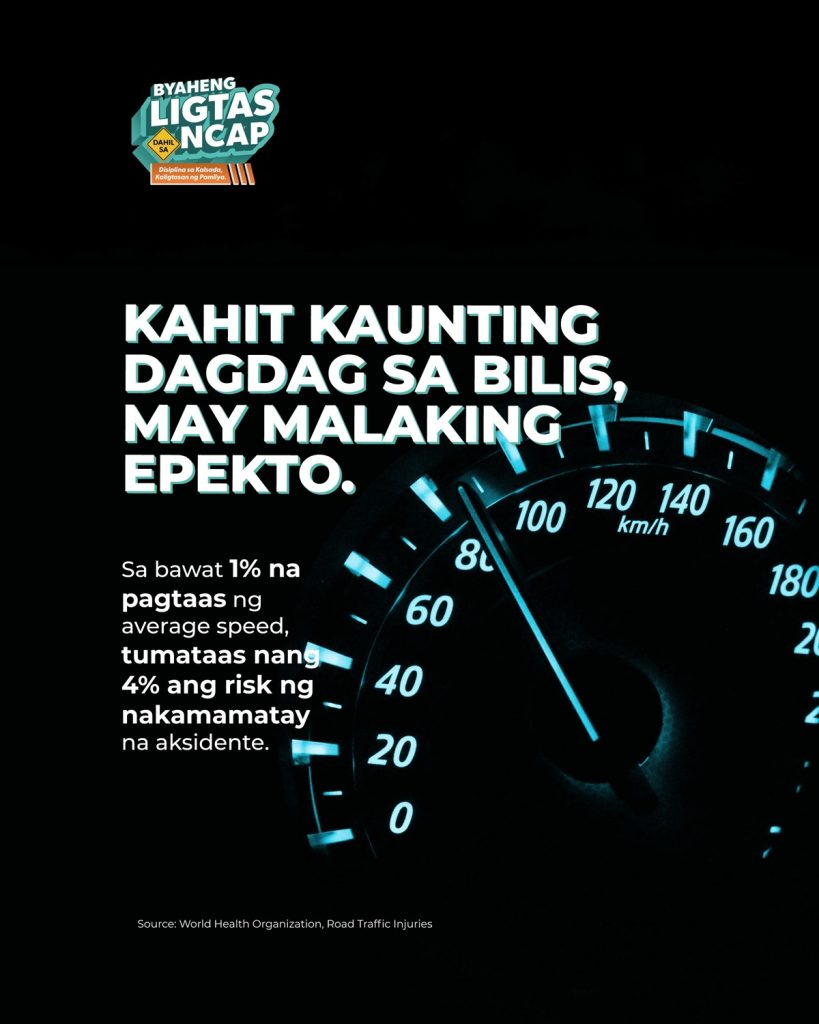
WHO data also shows how seemingly minor driving decisions can have serious, even fatal, consequences. Every one percent increase in average speed is associated with a four percent increase in the risk of a fatal crash. Wearing a seatbelt, meanwhile, can reduce the risk of death among vehicle occupants by up to 50 percent.
These findings demonstrate that road crashes are not inevitable. Many can be prevented through responsible road use, safer infrastructure, effective law enforcement, and a shared commitment to protecting human lives.
Government agencies and local government units must continue working together to improve road safety through several essential measures. These include strengthening traffic law enforcement, upgrading road infrastructure, intensifying public education, improving emergency response systems, and sustaining technology-driven enforcement. Such initiatives must promote objective, consistent, and accountable implementation while ensuring due process, accurate validation of violations, and clear communication with motorists.
Motorists, for their part, must understand that road safety begins with their everyday choices. Following speed limits, stopping at red lights, respecting pedestrian crossings, avoiding illegal turns and overtaking, wearing seatbelts and helmets, never driving under the influence, and keeping mobile phones away while driving are simple yet potentially life-saving practices.

Pedestrians, cyclists, and other road users also share the responsibility to follow road rules, stay alert, and respect one another’s right to use public roads safely.
REMEMBER. REFLECT. ACT. SAVE LIVES.
Recognized under Philippine law through Republic Act No. 11468, officially known as the National Day of Remembrance for Road Crash Victims, Survivors, and Their Families Act, this day of commemoration reminds us that honoring those who lost their lives must go hand in hand with meaningful action to prevent similar tragedies.
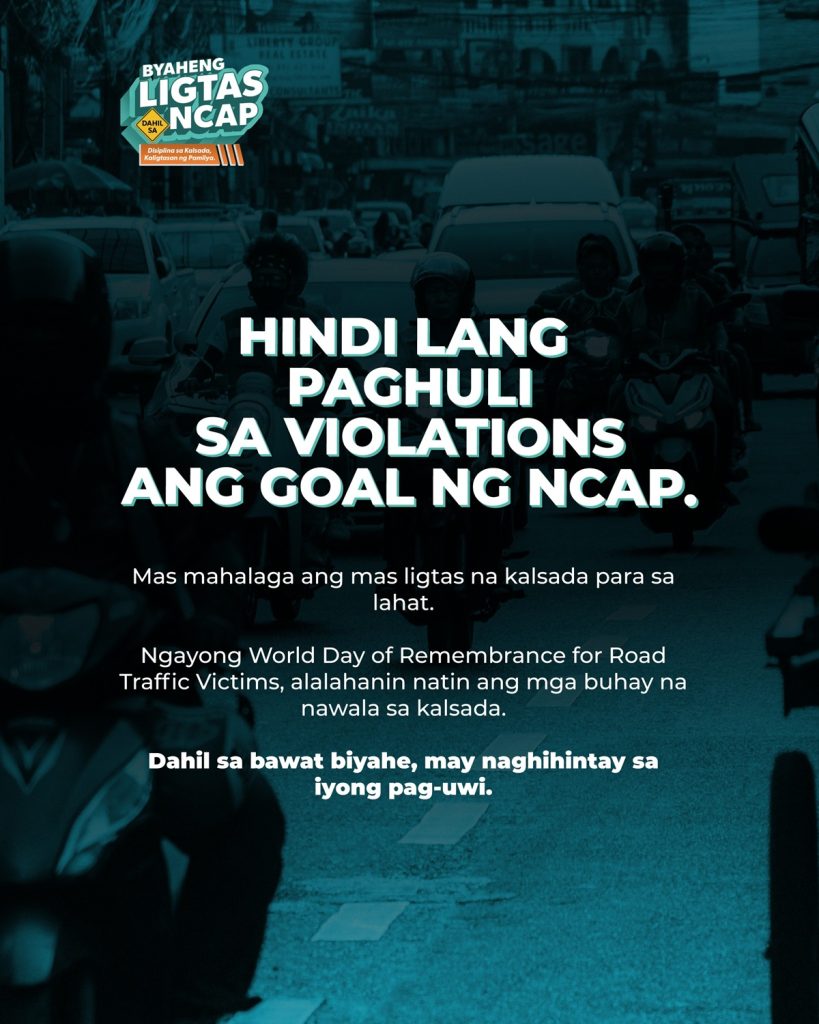
As we remember those who never made it home, we must also acknowledge the families and communities whose lives have been permanently changed by road crashes.
Road safety should never be treated as an inconvenience, and traffic discipline must never be considered optional. Every traffic rule and enforcement policy serves a vital purpose: protecting lives.
The ultimate goal is not merely to reduce traffic violations or increase apprehensions, but to prevent accidents, minimize injuries, save lives, and ensure that more Filipinos reach home safely to the people waiting for them.