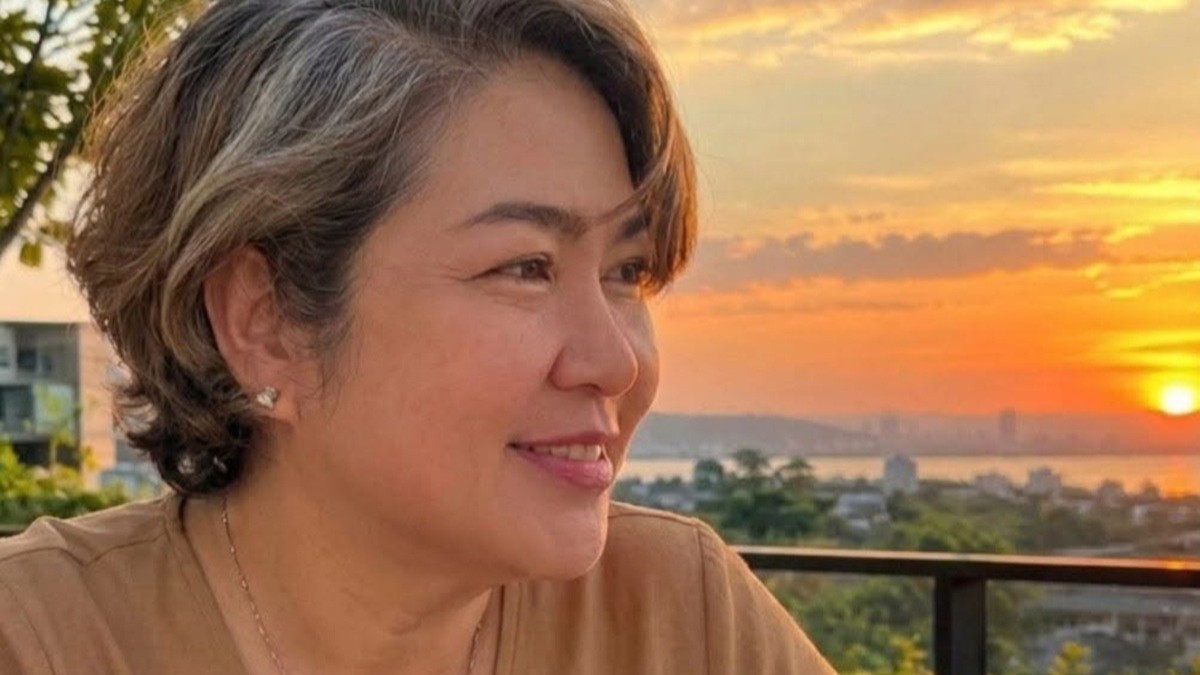
A cancer diagnosis can turn someone’s life upside down, while the financial demands of treatment can have lasting consequences for an entire family. As Breast Cancer Awareness Month draws to a close this October, Insular Life (InLife) is reinforcing the importance of early detection and comprehensive health protection, encouraging Filipinos to face health challenges with greater confidence and financial preparedness.

For Fay Cuadra, InLife University Senior Assistant Vice President and Business Development Head, this advocacy hits close to home. Despite spending more than 20 years in the insurance industry helping people prepare for life’s uncertainties, she eventually found herself confronting the very challenges she had long encouraged others to prepare for.
What began as a routine Executive Check-Up revealed a breast abnormality that required a biopsy, even though she experienced no pain or noticeable symptoms.
“When you hear those words, it feels like time has suddenly stopped. You can spend years advising people about protection and preparing for the unexpected, but when you become the patient, everything feels different,” Fay recalls.
Following her cancer diagnosis, Cuadra underwent neoadjuvant therapy, a mastectomy with breast reconstruction, and radiation therapy. Today, she celebrates reaching one year with No Evidence of Disease (NED), meaning that current medical examinations and tests show no detectable signs of cancer.
However, her experience also revealed the substantial financial challenges that can accompany a serious illness. Her initial diagnostic procedures already exhausted her inpatient Health Maintenance Organization (HMO) coverage limits. The breast surgery alone cost approximately ₱800,000, followed by another ₱585,000 for radiation therapy.
Six months later, she underwent another major operation, a Total Abdominal Hysterectomy with Bilateral Salpingo-Oophorectomy (TAHBSO), which required an additional ₱700,000.
Even after accounting for PhilHealth benefits, Persons with Disabilities (PWD) discounts, corporate leave benefits, and payouts from her personal insurance policies, the overall financial burden remained significant.
“Your HMO, group hospitalization coverage, and individual insurance policies may have different benefits, limits, and conditions. It is important to understand how these work together and identify any gaps in your protection,” Cuadra explains.
Closing the gap with InLife Global Care
Recognizing the need to help Filipino families prepare for substantial healthcare expenses, InLife offers InLife Global Care, a comprehensive health insurance solution providing up to ₱125 million in annual coverage, with access to accredited hospitals, clinics, and medical specialists in the Philippines and overseas.
Beyond hospitalization benefits, the plan also covers eligible outpatient consultations, diagnostic scans, and monitoring therapies. It provides cashless service options through supported healthcare providers, guaranteed annual renewability up to age 99, and worldwide emergency coverage of up to ₱12.5 million outside the selected coverage area, subject to policy terms and conditions.
“Healthcare confidence is knowing that when a serious medical situation happens, you have choices, resources, and someone you can rely on to help you move forward. InLife Global Care aims to provide all these and more so Filipinos can have access to quality healthcare without compromising everything they worked hard for. This is what we mean by World-class care, Filipino heart, and InLife certainty,” states InLife Chief Product and Innovation Officer Jose Eduardo O. Ang.
A milestone of gratitude and action
For Cuadra, having adequate protection also meant having a strong support system throughout her journey. She expresses gratitude to her husband, family, and colleagues at InLife for standing by her during treatment and recovery. She also acknowledges InLife President Raoul Littaua, who personally encouraged her to prioritize her healing.
” Cancer treatment does not end when you leave the hospital or complete your surgery. Follow-up consultations, blood tests, monitoring scans, medications, and ongoing medical care became important parts of my recovery. You have to consider the entire healthcare journey, not just the initial hospital bill,” she emphasizes.
As Breast Cancer Awareness Month concludes, Cuadra urges women to make preventive healthcare a priority, emphasizing the importance of regular check-ups and seeking medical advice rather than waiting for symptoms to appear.
“Early detection can make a difference in identifying cancer and understanding your treatment options. Do not postpone the check-up that could change your life,” she says.
Through InLife Global Care and its continuing advocacy for preventive healthcare, InLife encourages Filipinos to take two important steps toward protecting their future: prioritize their health through early detection and prepare financially for the medical care they may need.
For more information, visit www.inlife.com.ph.