A November tradition that brings generations together, preserves family stories, and reminds Filipinos that love endures beyond death
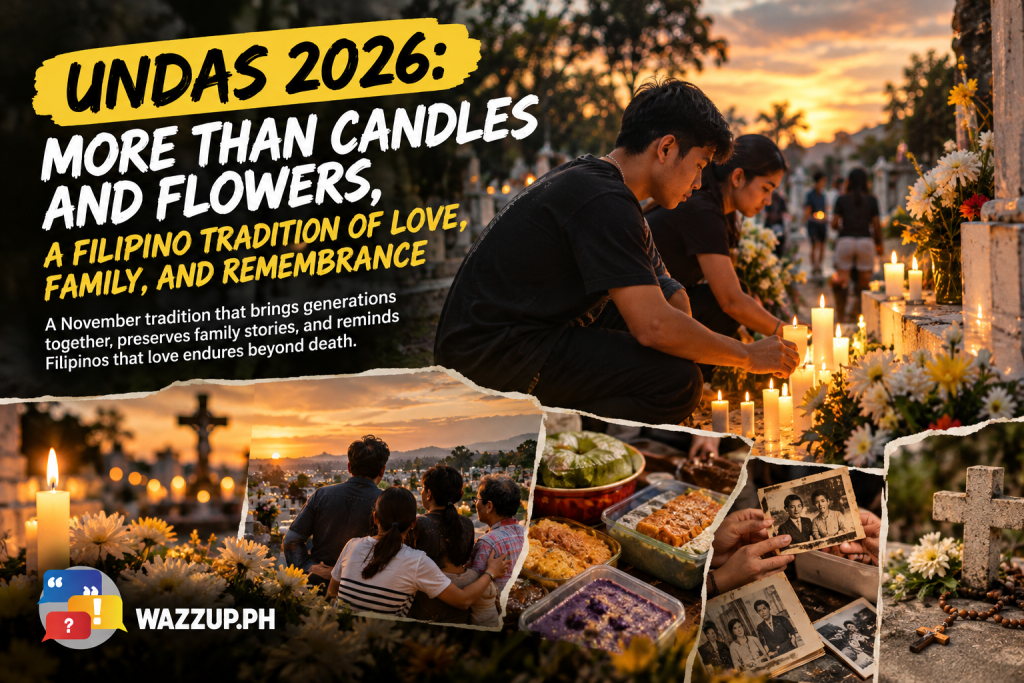
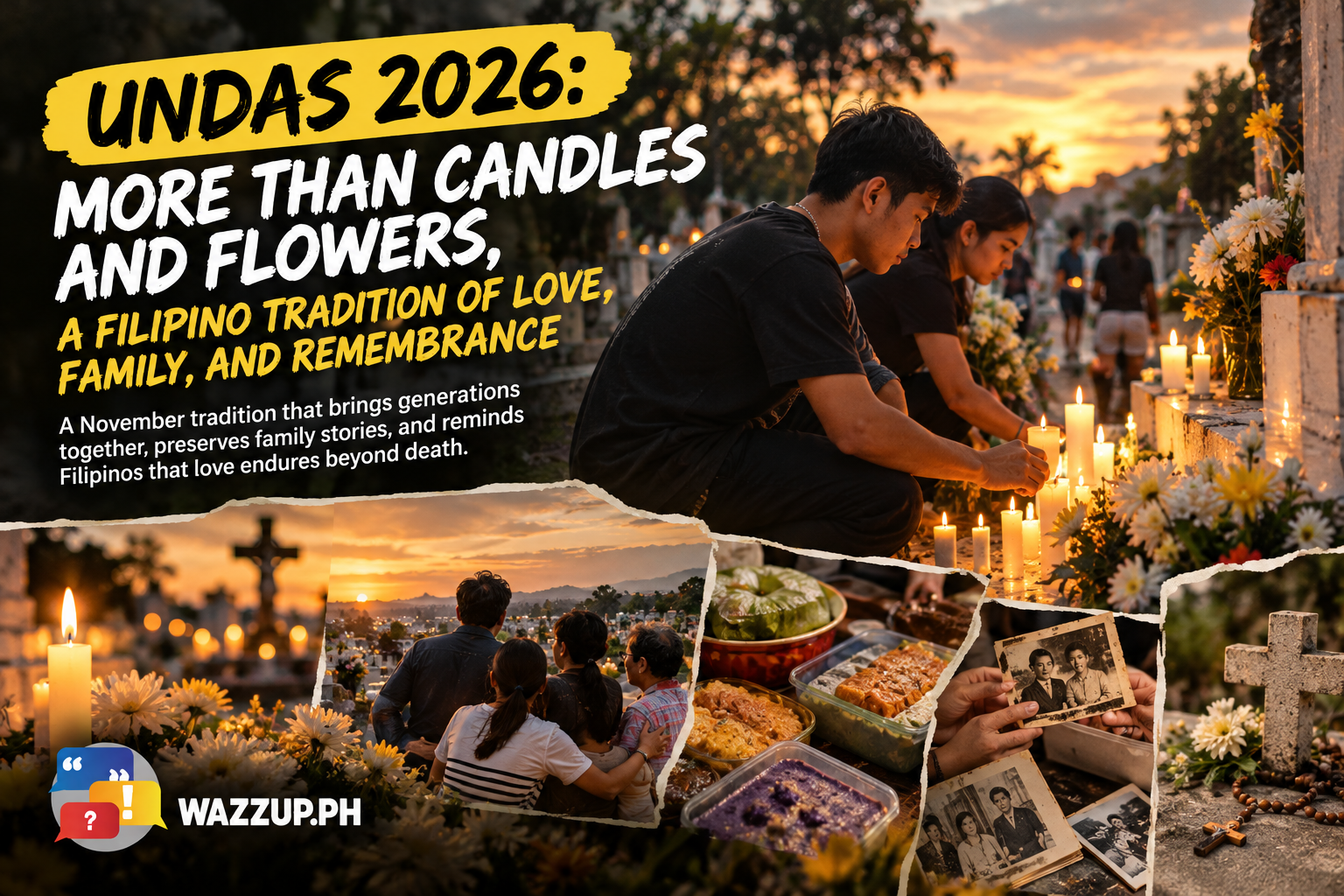
Every November 1 and 2, millions of Filipinos visit cemeteries to honor departed loved ones. They clean puntod, light kandila, offer bulaklak, say prayers, and reunite with relatives for the annual dalaw sa sementeryo.
Known as Undas, the observance blends faith, family, and Filipino cultural traditions. Beyond cemetery visits, it gives families an opportunity to share stories, reconnect across generations, and honor the people whose lives helped shape their own.
In 2026, All Saints’ Day falls on Sunday, November 1, and All Souls’ Day on Monday, November 2. As families prepare for the annual observance, practical planning and consideration for others can help make the occasion safer and more meaningful.
A Tradition Rooted in Faith and Family
For many Catholic families, Undas includes attending Mass, praying for the departed, lighting candles, and visiting graves. Others observe the occasion through personal rituals, quiet reflection, or gatherings at home.
Cemeteries also become places of reunion, where relatives who have not seen one another for months—or even years—come together. Stories about parents, grandparents, siblings, and friends help younger family members understand their roots and the lives of those who came before them.
Whether expressed through a dasal, a candle, or time spent with family, Undas brings spiritual devotion and family ties into focus.
When Food Becomes a Memory
Food is central to many Filipino gatherings, and Undas can be an occasion to share favorite dishes and treasured recipes.
A grandmother’s signature ulam may recall the comfort of her kitchen, while a familiar kakanin or dessert can bring back childhood celebrations. Sharing these foods creates opportunities for family members to exchange stories and pass traditions on to younger generations.
For many households, the meal shared during a cemetery visit or after returning home is part of the reunion itself.
Keeping Family Stories Alive
Undas offers families a chance to pass on stories that might otherwise fade with time. Grandparents can recount earlier generations’ experiences, while relatives share memories of sacrifice, achievement, humor, and kindness.
Photographs, handwritten letters, treasured possessions, and digital albums help preserve these accounts. Families separated by distance can also join through video calls and shared photographs, allowing relatives working abroad to participate.
These simple practices keep family history alive beyond the annual visit to the puntod.
Honoring Loved Ones Beyond the Cemetery
Tributes need not be limited to November 1 and 2. Families can prepare a departed loved one’s favorite meal, create a small memorial at home, or gather to share stories throughout the year.
Others may honor the deceased by continuing causes they cared about, helping people in need, or living by the values they passed on. A loved one’s generosity can inspire kindness, while a parent’s dedication to education can motivate younger family members to pursue their goals.
In this way, a family legacy lives on through everyday choices and actions.
Practical Tips for a Safe and Peaceful Undas
The annual dalaw sa sementeryo can bring heavy traffic, crowded pathways, long queues, and hot weather. A few precautions can help families avoid unnecessary stress.
– Plan your trip. Check traffic advisories, public transport schedules, cemetery opening hours, and local rules on restricted items. Consider visiting during less crowded hours.
– Bring essentials. Pack drinking water, light snacks, tissues, hand sanitizer, a small first-aid kit, and necessary medication. Wear comfortable clothing and walking shoes.
– Keep children and older relatives safe. Agree on a meeting point in case anyone gets separated. Keep children within sight and assist older family members in crowded areas.
– Secure your belongings. Keep phones and wallets safe, remain alert in crowded places, and avoid bringing unnecessary valuables.
– Handle candles carefully. Place kandila only in permitted, stable locations, away from dry flowers, paper, clothing, and other flammable materials. Never leave open flames unattended.
– Keep the cemetery clean. Dispose of plastic, food packaging, and other rubbish in designated bins. Avoid blocking pathways or neighboring graves.
– Respect other visitors. Follow cemetery regulations, keep noise at a considerate level, and give other families space to pray.
– Be mindful of grief. The season can be especially difficult for those who have recently lost someone. Offer support without pressuring them to talk or join every activity.
A meaningful tribute does not depend on expensive flowers or elaborate offerings. A sincere prayer and a thoughtful gesture can be just as significant.
The Love That Remains
Undas reminds Filipinos to value family connections and recognize the influence loved ones leave behind. Candles eventually burn out, flowers fade, and graves weather with time, but the lessons and values passed from one generation to the next can endure.
As families gather this November, the significance of the occasion lies not only in the flowers offered or the hours spent at a gravesite, but also in the bonds strengthened and the stories carried forward.
Undas is more than a visit to the cemetery. It is a Filipino tradition that honors the departed, brings families together, and carries their legacy into the future.
This Undas 2026, may every prayer be offered with sincerity, every family gathering bring generations closer, and every tribute honor a life remembered with love.