Long associated with rustic beach huts, traditional homes, and cozy tropical escapes, bamboo is now undergoing a high-tech transformation. But can this humble green plant truly stand alongside steel and concrete in shaping the stylish, resilient, and planet-friendly cities of tomorrow?
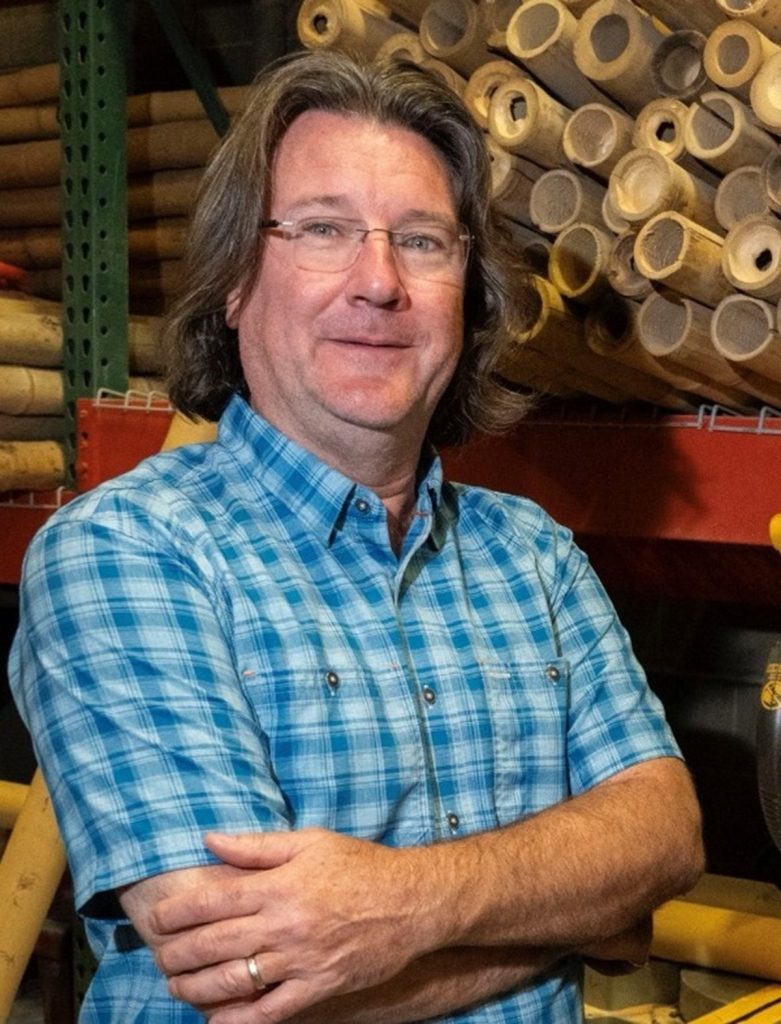
Dr. Kent Harries, an internationally acclaimed engineering professor and global authority on green building materials, believes the answer is a resounding yes.
On September 30, 2026, Dr. Harries will take the stage as a speaker at the 5th Annual Bamboost Forum, themed “Bamboo Unboxed: Designing the Future of Construction,” at the Globe Auditorium, Maybank Performing Arts Theater, BGC Arts Center, Taguig City.
Hosted by Base Bahay Foundation, Inc. (BASE), the premier design and architecture event brings together visionaries and industry experts to explore how sustainable materials can help transform modern living and the future of construction.
Dr. Harries, a professor at the University of Pittsburgh, a Fellow of international engineering societies, and a licensed professional engineer, has spent decades demonstrating how natural materials can meet the demanding safety and performance requirements of modern construction.
While bamboo is still often perceived as a material suited primarily for temporary or traditional structures, Dr. Harries is helping redefine its role in contemporary construction through the development of codes and standards.
As a leader in international committees working on global design standards for bamboo, he is helping translate decades of research and engineering knowledge into clear and reliable standards and guidelines for architects, engineers, and builders.
His work is helping establish the technical confidence needed to use bamboo safely and consistently—from contemporary homes to larger and more complex structures.
Designing with Nature’s Variability
Unlike factory-manufactured materials such as steel, bamboo naturally varies from one culm to another. But according to Dr. Harries, this characteristic does not make bamboo unsuitable for modern engineering.
“Variability is not a barrier to be overcome, rather it is a property to be accounted for in design.”
While bamboo is sometimes perceived as highly unpredictable, its natural variability can be understood through data and addressed using established engineering approaches for managing uncertainty.
The bigger challenge, Dr. Harries explains, is having sufficient reliable data to provide engineers with the statistical confidence needed to design efficiently and safely with bamboo.
This is where research, testing, codes, and standards become critical. They help transform knowledge about a naturally variable material into practical guidance that designers can confidently apply.
With a stronger evidence base and well-developed standards, bamboo’s natural characteristics can be incorporated into structural design without compromising safety.
Its flexibility and high strength-to-weight ratio can then be harnessed as valuable engineering properties, particularly in the design of lightweight and resilient structures.
The Philippines as a Global Trendsetter in Sustainable Design
Filipinos are already playing a significant role in advancing this green construction movement.
Dr. Harries has praised the pioneering work being carried out locally by BASE, which continues to test and refine bamboo building techniques for modern applications.
“The technical quality and rigor I see in the work at BASE in the Philippines is exceptional – it is truly world-leading,” Dr. Harries says.
Through local innovation and research, the Philippines is emerging as a significant hub for sustainable bamboo construction, demonstrating how world-class design and engineering can grow from solutions developed right here at home.
But for bamboo to move beyond niche projects and become part of the buildings of the future, good design alone is not enough.
Codes and standards provide the bridge between possibility and practice. They translate research and testing into trusted rules that architects, engineers, builders, and regulators can rely on, giving them the confidence to design with bamboo safely and at scale.
In this way, standards do more than establish technical requirements. They can help open the door for bamboo to become a credible and widely accepted material for modern construction.
Making Bamboo a Natural Choice
Dr. Harries hopes the Bamboost Forum will encourage architects, designers, engineers, and builders to rethink what modern buildings can look like—and what materials can help shape them.
“Every building material started out as an ‘alternative’ at some point,” he says. “Our goal is to make bamboo a natural choice.”
His vision, however, is not to promote bamboo indiscriminately. Instead, he advocates for its use where it makes technical and practical sense, particularly by educating architects, engineers, and other technical professionals on how to design with the material safely and effectively.
With the right knowledge, research, codes, and standards in place, bamboo can become a natural choice for appropriate applications, bringing its distinctive character, engineering potential, and sustainability benefits into contemporary construction.
The conversation on sustainable construction and bamboo innovation continues at the 5th Annual Bamboost Forum, happening on September 30, 2026.
For more information about Base Bahay Foundation, Inc. and its transformative projects, visit Base Bahay Foundation.