LPU Manila theater organization celebrates five decades of shaping student-artists and keeping the stage alive
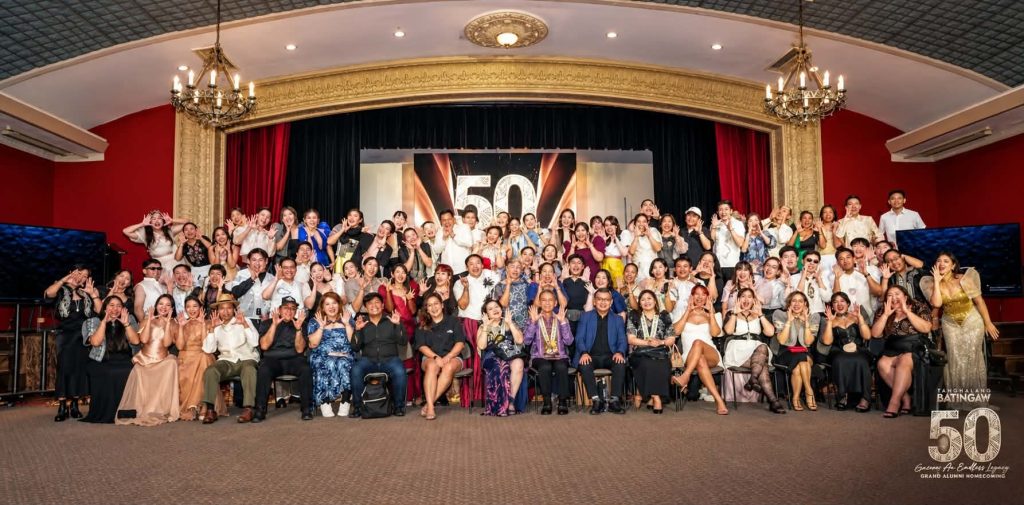
MANILA — Fifty years after it first raised its curtain, Tanghalang Batingaw of the Lyceum of the Philippines University (LPU) Manila celebrated its golden anniversary on September 12, 2026, honoring five decades of theater, artistic development, cultural expression, and generations of student-artists.
The milestone marked more than the longevity of a university theater organization. It celebrated an institution that has continued to provide young Filipinos with a space to discover their voices, develop their craft, and explore stories that reflect Filipino culture and society.
Founded on August 7, 1976 by Oliver Andrade Pandile, Tanghalang Batingaw was originally known as the Batingaw Ensemble. From its beginnings, the organization sought to cultivate artistic excellence while using theater as a means of promoting Filipino culture and creative expression.
Its 50th anniversary now places Tanghalang Batingaw among the enduring university theater organizations that have contributed to the development of Philippine academic and campus theater.
A Tradition Rooted in University Theater
Philippine university theater has a long history of using the stage not only for entertainment but also as an extension of education.
Among the organizations that helped establish this tradition are the UP Dramatic Club, founded in 1916; Dulaang Sibol, established at Ateneo High School in 1955; UP Repertory Company, founded in 1968; Tanghalang Ateneo, established in 1974; and Dulaang UP, established in 1976.
These organizations, together with numerous theater groups in schools and universities across the country, helped create generations of actors, directors, writers, designers, production practitioners, educators, and cultural workers.
Tanghalang Batingaw became part of that continuing tradition in 1976.
Five Decades on the Stage
For a student organization, reaching five decades is significant.
University organizations regularly experience changes in membership and leadership as students graduate and new generations enter the campus. Theater groups face the additional challenge of preserving institutional memory, artistic traditions, production practices, and organizational culture while continually adapting to changing audiences.
Tanghalang Batingaw’s five-decade journey reflects that process of transmission from one generation to another.
Through the years, the organization has served as a training ground where students could experience the many dimensions of theater—from performance and direction to writing, stage management, production design, technical work, and collaborative storytelling.
Its legacy is therefore not measured only by the productions it has staged, but also by the people who passed through its doors and carried their experiences into other creative and professional spaces.
More Than a Celebration
The September 12 celebration served as both a look back and a moment to recognize the continuing relevance of university theater.
For many student-artists, theater becomes a classroom beyond the traditional classroom. It demands discipline, teamwork, communication, creativity, responsibility, and the ability to understand perspectives beyond one’s own.
Onstage, performers learn to inhabit different lives. Behind the curtain, production teams learn that a successful performance depends on collective effort.
That combination of artistic practice and education has long made university theater an important part of Philippine cultural life.
The Bell Continues to Ring
The name Batingaw—a bell—offers an apt metaphor for an organization whose history has been defined by one generation calling the next toward the stage.
After five decades, that call continues.
Tanghalang Batingaw’s golden anniversary is ultimately not only about looking back at its founding in 1976. It is about recognizing the generations of students and theater practitioners who helped sustain the organization and asking what the next fifty years might bring.
As Philippine theater continues to evolve alongside new technologies, digital platforms, changing audiences, and emerging forms of storytelling, university theater remains a space where young artists can experiment, collaborate, and find their own artistic language.
For Tanghalang Batingaw, the September 12 celebration marked a milestone—but not an ending.
Fifty years after its founding, the bell continues to ring, calling another generation toward the stage.
Tanghalang Batingaw Marks 50 Years of Theater, Culture and Artistic Legacy
LPU Manila theater organization celebrates five decades of shaping student-artists and keeping the stage alive
MANILA — Fifty years after it first raised its curtain, Tanghalang Batingaw of the Lyceum of the Philippines University (LPU) Manila celebrated its golden anniversary on September 12, 2026, honoring five decades of theater, artistic development, cultural expression, and generations of student-artists.
The milestone marked more than the longevity of a university theater organization. It celebrated an institution that has continued to provide young Filipinos with a space to discover their voices, develop their craft, and explore stories that reflect Filipino culture and society.
Founded on August 7, 1976 by Oliver Andrade Pandile, Tanghalang Batingaw was originally known as the Batingaw Ensemble. From its beginnings, the organization sought to cultivate artistic excellence while using theater as a means of promoting Filipino culture and creative expression.
Its 50th anniversary now places Tanghalang Batingaw among the enduring university theater organizations that have contributed to the development of Philippine academic and campus theater.
A Tradition Rooted in University Theater
Philippine university theater has a long history of using the stage not only for entertainment but also as an extension of education.
Among the organizations that helped establish this tradition are the UP Dramatic Club, founded in 1916; Dulaang Sibol, established at Ateneo High School in 1955; UP Repertory Company, founded in 1968; Tanghalang Ateneo, established in 1974; and Dulaang UP, established in 1976.
These organizations, together with numerous theater groups in schools and universities across the country, helped create generations of actors, directors, writers, designers, production practitioners, educators, and cultural workers.
Tanghalang Batingaw became part of that continuing tradition in 1976.
Five Decades on the Stage
For a student organization, reaching five decades is significant.
University organizations regularly experience changes in membership and leadership as students graduate and new generations enter the campus. Theater groups face the additional challenge of preserving institutional memory, artistic traditions, production practices, and organizational culture while continually adapting to changing audiences.
Tanghalang Batingaw’s five-decade journey reflects that process of transmission from one generation to another.
Through the years, the organization has served as a training ground where students could experience the many dimensions of theater—from performance and direction to writing, stage management, production design, technical work, and collaborative storytelling.
Its legacy is therefore not measured only by the productions it has staged, but also by the people who passed through its doors and carried their experiences into other creative and professional spaces.
More Than a Celebration
The September 12 celebration served as both a look back and a moment to recognize the continuing relevance of university theater.
For many student-artists, theater becomes a classroom beyond the traditional classroom. It demands discipline, teamwork, communication, creativity, responsibility, and the ability to understand perspectives beyond one’s own.
Onstage, performers learn to inhabit different lives. Behind the curtain, production teams learn that a successful performance depends on collective effort.
That combination of artistic practice and education has long made university theater an important part of Philippine cultural life.
The Bell Continues to Ring
The name Batingaw—a bell—offers an apt metaphor for an organization whose history has been defined by one generation calling the next toward the stage.
After five decades, that call continues.
Tanghalang Batingaw’s golden anniversary is ultimately not only about looking back at its founding in 1976. It is about recognizing the generations of students and theater practitioners who helped sustain the organization and asking what the next fifty years might bring.
As Philippine theater continues to evolve alongside new technologies, digital platforms, changing audiences, and emerging forms of storytelling, university theater remains a space where young artists can experiment, collaborate, and find their own artistic language.
For Tanghalang Batingaw, the September 12 celebration marked a milestone—but not an ending.
Fifty years after its founding, the bell continues to ring, calling another generation toward the stage.
Photo: Courtesy of the Owner / CTTO