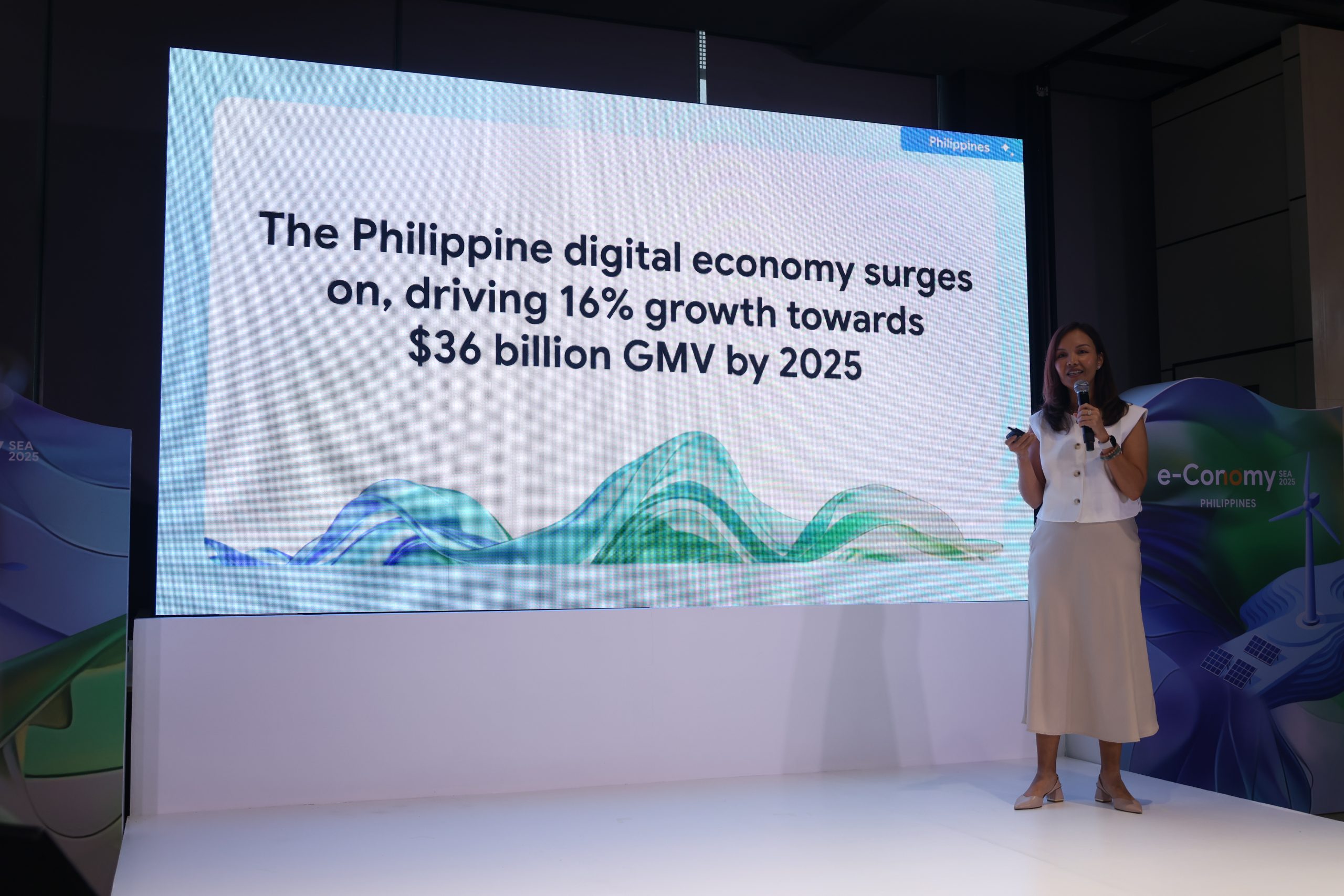
The Philippine digital economy continues to demonstrate remarkable momentum, posting a strong 16 percent year-on-year growth and positioning itself to reach an estimated US$36 billion in Gross Merchandise Value (GMV) by 2025. This surge is highlighted in the latest e-Conomy Southeast Asia 2025 report by Google, Temasek, and Bain & Company, which outlines the country’s accelerating digital transformation and expanding online consumer base.
E-Commerce Remains the Dominant Force
E-commerce remains the primary driver of digital growth in the Philippines, contributing more than 60 percent of total GMV. The sector’s rise is fueled by Filipinos’ increasing preference for online shopping, growing logistical networks, and the rapid integration of AI tools that personalize and optimize the online consumer journey.
A notable highlight is the explosive growth of video commerce, now boasting around 475,000 sellers and online stores—a 90 percent increase from the previous year. The format generated an estimated 1.2 billion transactions, with fashion, accessories, beauty, and personal care emerging as top-performing categories. The interactive and entertainment-driven nature of live shopping has significantly boosted user engagement and conversion rates.
Transport, Food Delivery, and Online Media Power Ahead
Transport and food delivery services continue their upward trajectory, registering close to 20 percent growth. Online media—particularly streaming platforms, digital content subscriptions, and gaming—mirrors the same pace, cementing the Philippines as one of the most active digital consumer markets in the region.
The online travel sector has also made a strong comeback as global mobility normalizes. Philippine online travel GMV is estimated to reach about US$4 billion by 2025, reflecting renewed demand for both leisure and business trips.
Digital Finance Expands Rapidly
Digital financial services have become another major pillar of growth. Digital payments remain a standout, reaching an estimated US$150 billion in gross transaction value, making the Philippines the second-fastest-growing digital payments market in Southeast Asia.
Digital wealth management grew by 36 percent, reaching US$2 billion in assets under management, while digital lending and insurance also gained traction. This sector-wide growth reflects increasing trust in online financial tools and broader access to fintech platforms.
AI Adoption Accelerates Consumer and Business Transformation

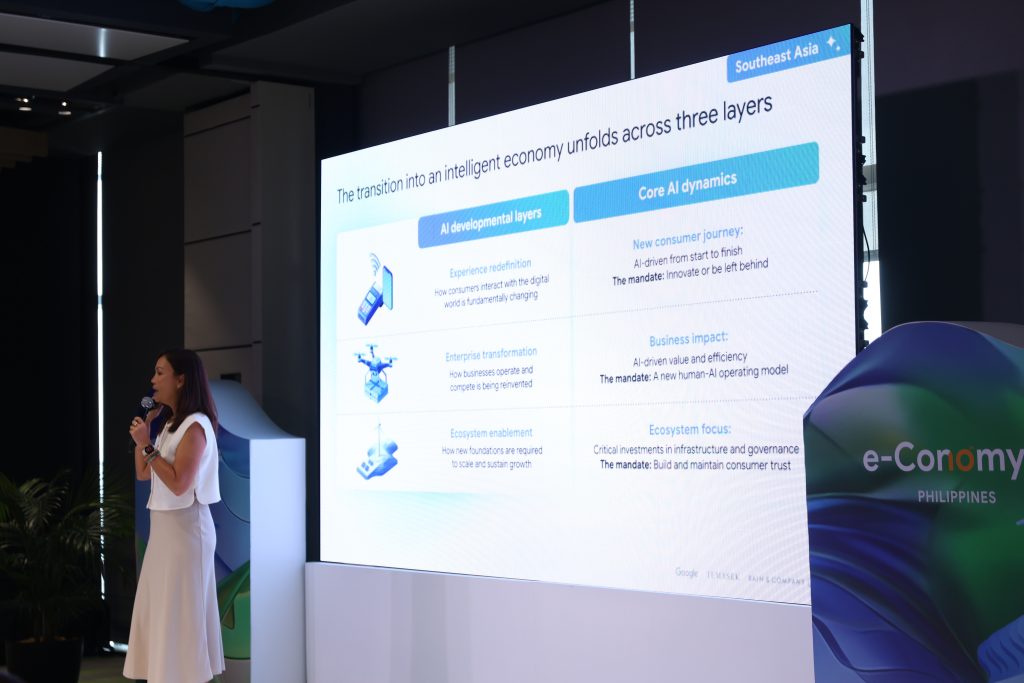
The Philippines is emerging as one of Southeast Asia’s most enthusiastic adopters of artificial intelligence. The country ranks among the top five in the region for consumer interest in multimodal AI—technologies capable of handling text, image, audio, and video simultaneously.
Around 78 percent of Filipino digital users now rely on AI-enhanced tools for daily tasks such as content discovery, research, and shopping. Nearly half of these users say AI significantly speeds up their decision-making processes.
Businesses are also embracing AI more than ever. AI-enabled apps recorded a 79 percent jump in revenue, driven by customer demand for better personalization and improved security. Meanwhile, enrollment in generative-AI courses grew nearly fivefold, indicating a workforce eager to upskill for the future digital workplace.
A Nation Poised for a More Digital Future
The continued rise of the Philippine digital economy reflects a convergence of key factors: increasing consumer digital maturity, the rapid integration of AI-enabled services, expanding financial inclusion, and a supportive ecosystem for startups and digital enterprises.
As the country approaches the US$36 billion GMV milestone, digital transformation is no longer a trend—it is a structural shift reshaping how Filipinos shop, pay, work, and consume media.

To sustain this momentum, experts emphasize the importance of strengthening digital infrastructure, ensuring robust data privacy standards, and expanding digital access beyond urban centers. With coordinated efforts across government, industry, and technology sectors, the Philippines stands poised to become one of Southeast Asia’s most dynamic digital hubs.