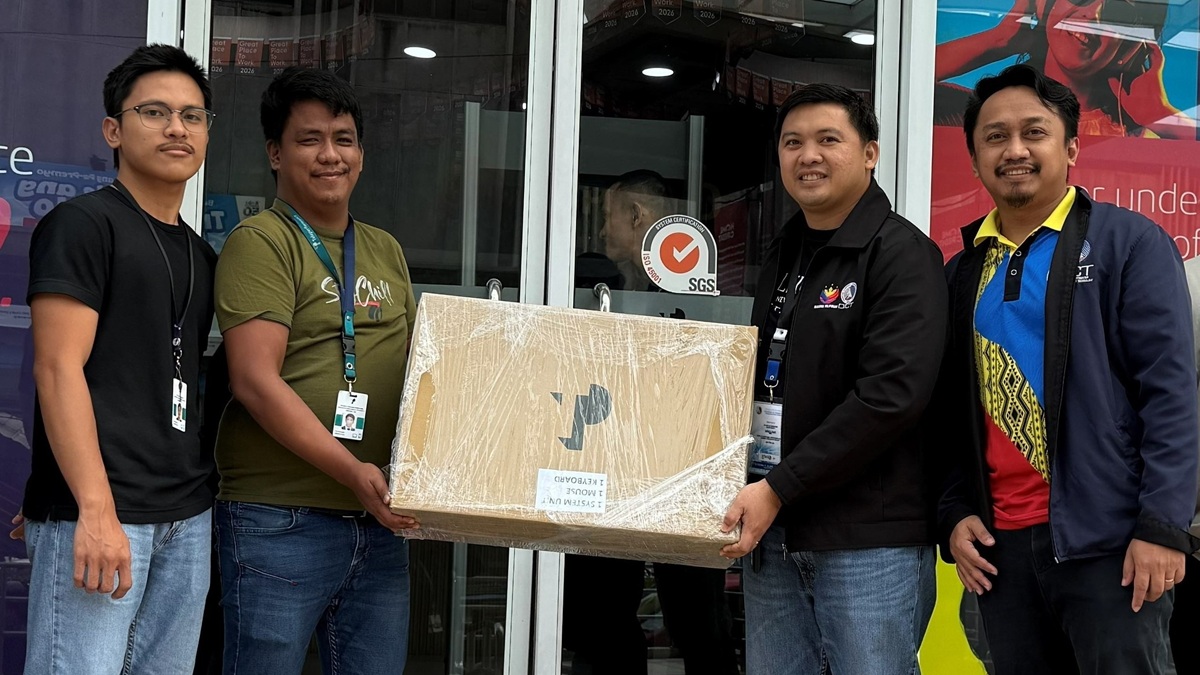
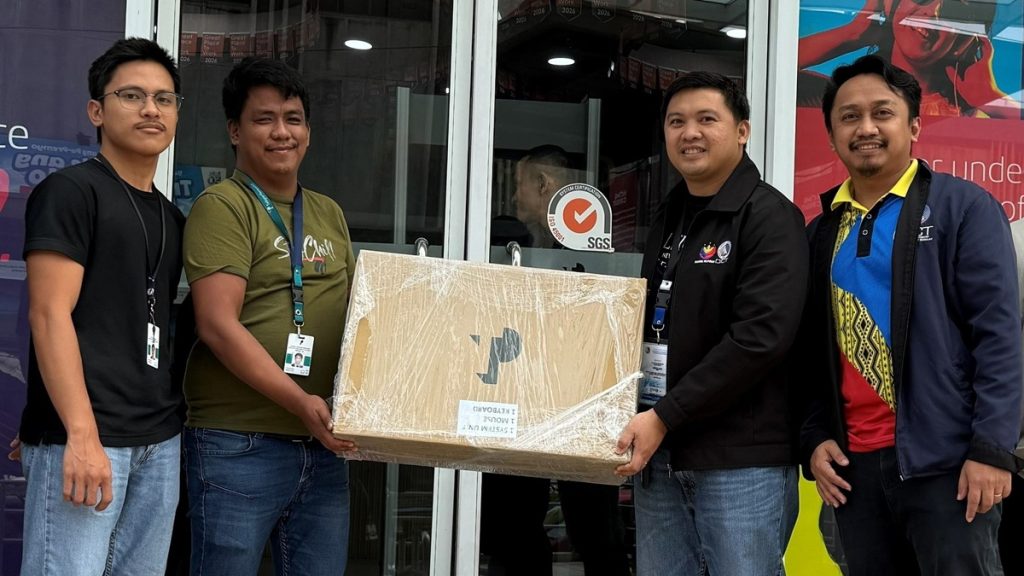
TP in the Philippines, a global leader in digital business services, has donated 15 computer units to support the Department of Information and Communications Technology (DICT) Region 10’s Smart Village Initiative (SVI) in Northern Mindanao.
Reinforcing its commitment to advancing digital literacy and connecting more Filipinos to opportunities enabled by technology and artificial intelligence (AI), the initiative equips underserved communities with essential digital tools and training that can open pathways to employment and entrepreneurship. The donation forms part of TP’s broader advocacy to help local talent develop future-ready skills and thrive in an increasingly digital and AI-driven economy.
“Through initiatives like this, TP in the Philippines continues to strengthen its role as a partner in nation-building by providing access to digital resources, computer literacy, and introductory AI knowledge—essential competencies for the evolving future of work,” said James Garcia, Vice President for IT at TP in the Philippines.
The turnover was led by TP’s Cagayan de Oro site, with the computer units directly benefiting learners in three designated Smart Villages across Region 10: Camp Bilal in Lanao del Norte, Dalingap in Misamis Occidental, and Capihan in Bukidnon. Each community serves as a model for digital transformation and inclusive rural development.
The DICT adopted the International Telecommunication Union’s (ITU) Smart Village Initiative to help bridge the digital divide in underserved communities through improved internet access, digital literacy programs, and e-government services. In Region 10, the agency builds on this mission by conducting ICT training sessions for selected participants covering office productivity applications, basic AI tools, and social media marketing. These programs ultimately equip participants with essential skills to pursue sustainable, technology-enabled careers.
The collaboration highlights the vital role of public-private partnerships in advancing inclusive growth and ensuring that rural communities are not left behind in the country’s digital transformation. By expanding access to digital tools and foundational ICT education, TP in the Philippines and DICT are helping empower Filipinos with greater opportunities for livelihood, learning, and meaningful participation in the digital economy.