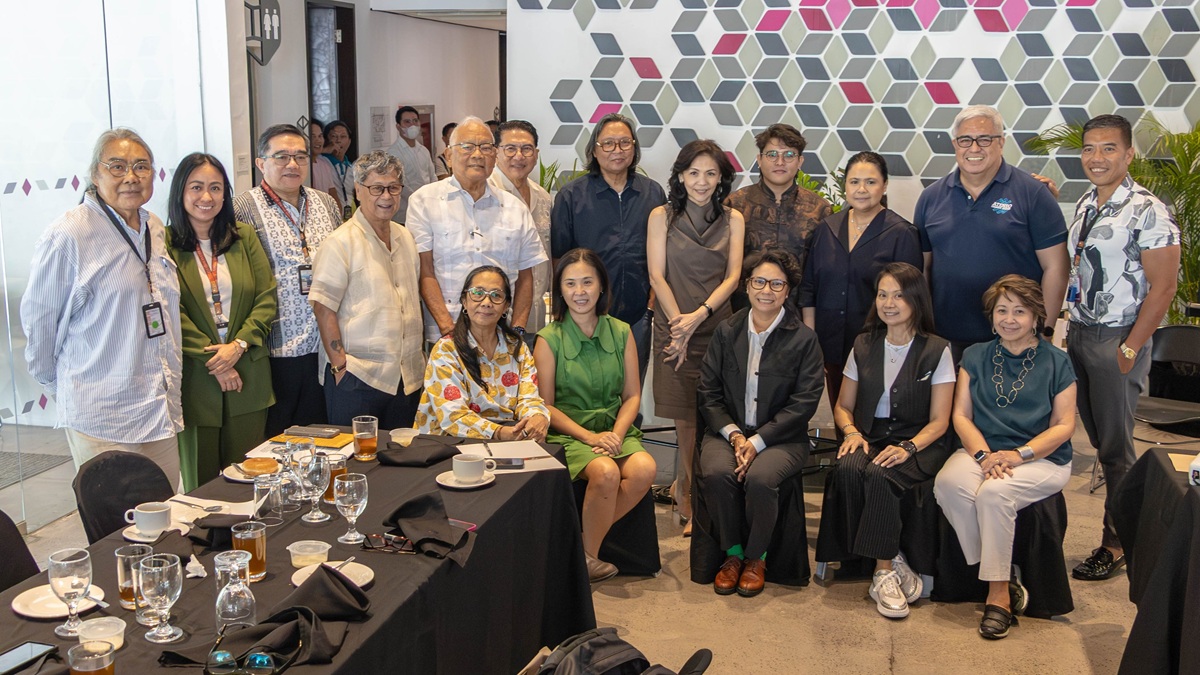
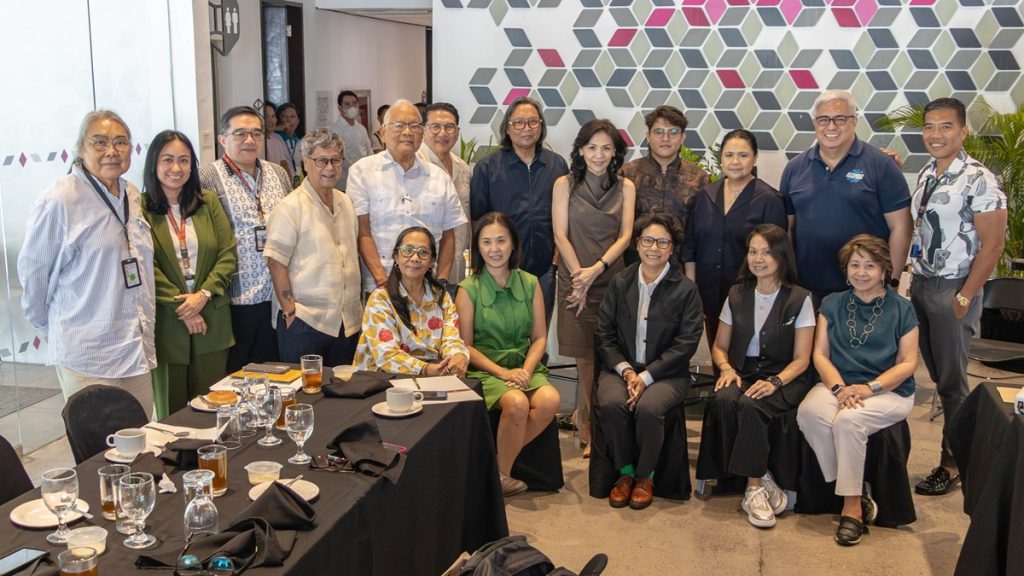
The future of Philippine visual arts begins with a fundamental question: what truly builds a sustainable and thriving cultural ecosystem? This was the driving force behind the recent Philippine Arts Roundtable led by the Cultural Center of the Philippines, bringing together leading voices across art, curation, academia, and cultural management to examine the present landscape—and chart a clearer path forward.
Building the foundation through education
For artists Alfredo Aquilizan and Isabel Aquilizan, the future begins with education. They underscored the need to expand arts education nationwide, particularly by replicating models like the Philippine High School for the Arts and developing accessible programs for younger students.
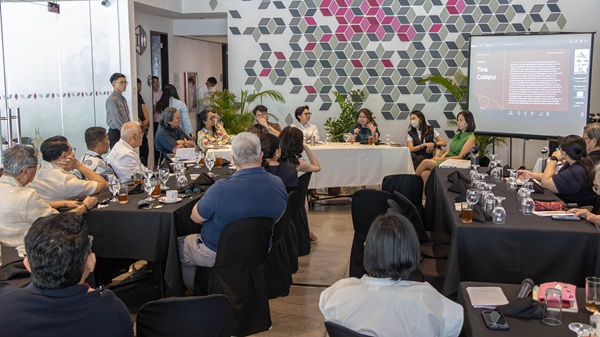
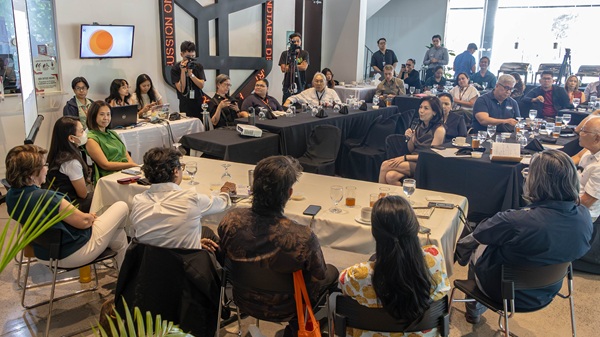
Drawing from their work abroad, the Aquilizans highlighted community-based workshops in remote areas as a scalable approach to democratizing access to art. Beyond education, they emphasized the importance of sustained support systems—such as travel grants and mentorship programs—to nurture artists throughout their careers.
Safeguarding legacy, expanding access
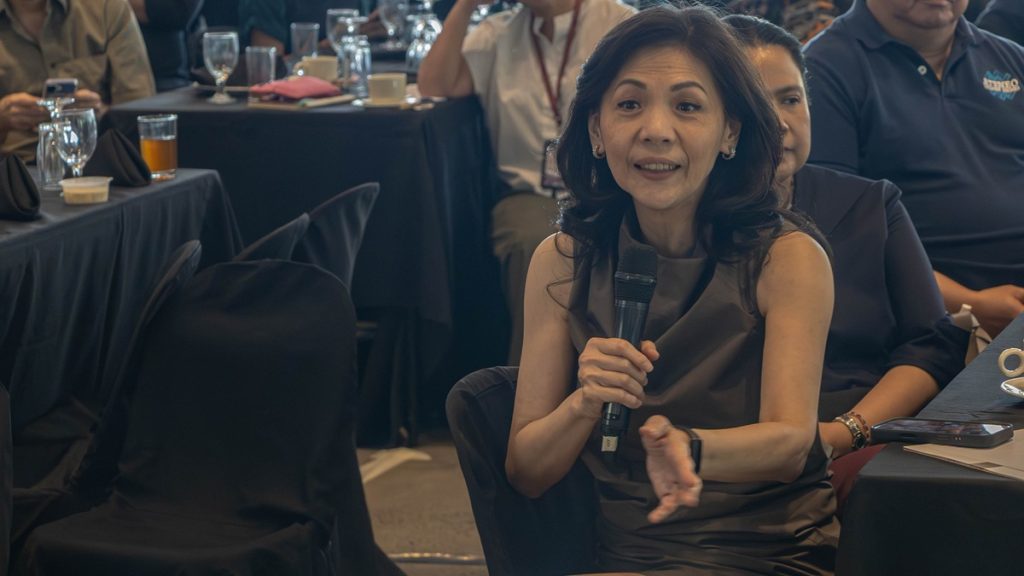
Curator Clarissa Chikiamco pointed to preservation and accessibility as critical pillars. She highlighted the role of CCP programs like the Thirteen Artists Award and exhibition platforms in sustaining artistic practice, while stressing the urgency of making historical works—such as those by Roberto Chabet—more visible and accessible to the public.
Chikiamco also called for stronger institutional commitment to collecting and conserving contemporary works, warning that without proper acquisition and documentation, significant pieces risk being lost over time.
Elevating visibility on a global stage
For gallerist Isa Lorenzo of Silverlens Galleries, the CCP must take a more outward-facing approach. With its rich collection and institutional weight, she argued, the CCP is uniquely positioned to become a regional benchmark for exhibition-making.
This includes strengthening its digital presence, investing in storytelling across platforms, and engaging younger audiences through social media. Expanding visibility through touring exhibitions, increased publications, and participation in international art events were also identified as key strategies to amplify Philippine art globally.
Supporting curators, strengthening the ecosystem
Art historian and curator Carlos Quijon Jr. highlighted a critical gap: the need for stronger institutional support for curators. While Filipino curators are making strides internationally, many are compelled to work abroad due to limited opportunities at home.
For Quijon, building a robust local ecosystem—where institutions collaborate effectively and provide sustainable career pathways—is essential. Supporting curators, alongside artists, ensures that Filipino voices remain active participants in global art discourse.
A collective vision for the future
The discussion was further enriched by insights from cultural leaders including Dindin Araneta, Tina Colayco, Sheila Ramos, and Ana Maria Ortega, reinforcing the need for collaboration across sectors.
With the presence of CCP leadership, including Chairman Jaime C. Laya and President Kaye C. Tinga, the roundtable underscored a unified commitment to shaping the future of Philippine visual arts.
Beyond discussion, toward action
More than a dialogue, the Philippine Arts Roundtable signaled a strategic shift—one that places education, preservation, accessibility, global engagement, and institutional support at the core of the CCP’s evolving role.
As the country’s premier cultural institution, the Cultural Center of the Philippines is not just reflecting on the state of the arts—it is actively redefining how Philippine visual arts can grow, connect, and thrive in an increasingly global landscape.