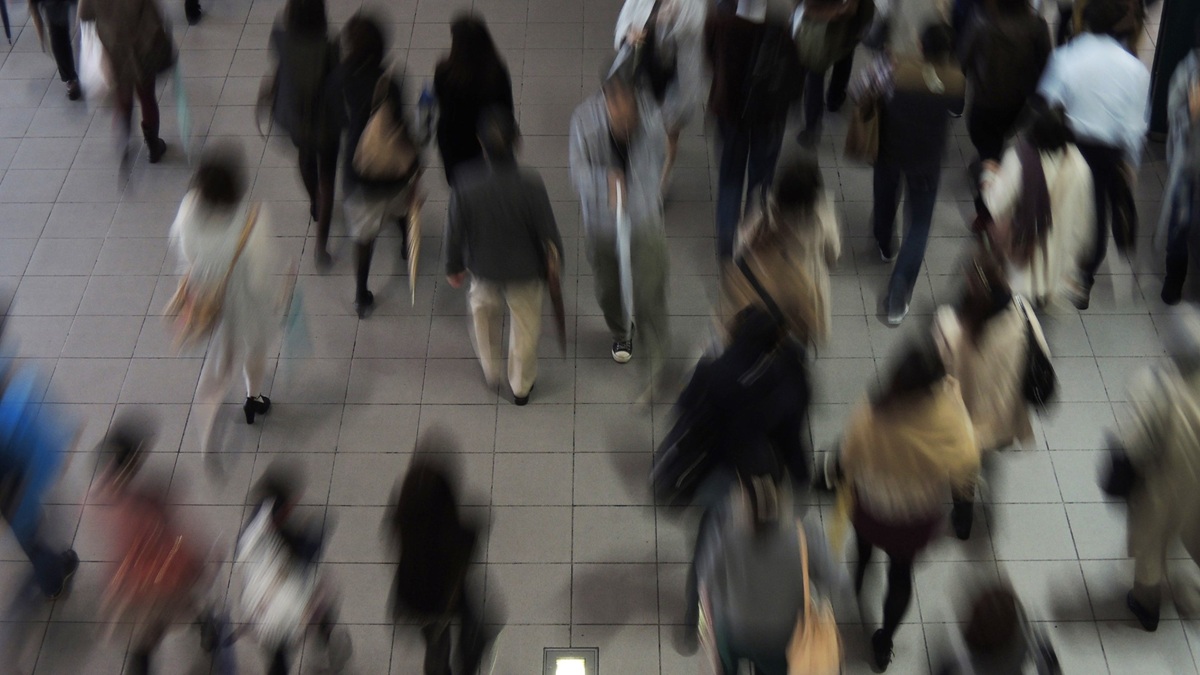
As the holiday season ramps up, global research shows a surprising paradox: while festivities are meant to bring joy and connection, feelings of loneliness are increasing worldwide. Reports from the UK, EU, Japan, Canada, Australia, the US, and other countries highlight that many people feel isolated even amid celebrations.
According to the OECD’s 2025 Social Connections and Loneliness Report, up to 14% of people in member countries feel lonely most or all of the time. In the US, the American Psychological Association’s “Stress in America 2025” survey finds that half of adults report signs of loneliness, including emotional disconnection and social isolation.
“No matter where you are in the world, holidays come with expectations—family gatherings, celebrations, and the pressure to be joyful,” explains Dr. Hannah Nearney, UK Medical Director at Flow Neuroscience. “But many people naturally struggle with these expectations, and that doesn’t magically disappear during the festive season.”
Why the Holidays Trigger Loneliness
Several factors contribute to seasonal loneliness. Distance from family, strained relationships, or past losses can intensify feelings of isolation. In the US alone, 14 million people will spend Christmas alone this year, with almost half citing family conflict or physical distance, according to AMFM (A Mission for Michael). Meanwhile, OECD data shows that in-person interactions with friends and family have declined over the past decade.
“The sights, sounds, and traditions of December—Christmas songs, movies, and decorations—activate the brain’s associations with family and connection,” says Dr. Kultar Singh Garcha, NHS GP and Chief Medical Officer at Flow Neuroscience. “When loved ones are absent, or there’s tension or grief, emotions like sadness, anger, and loneliness are amplified.”
Stress and Financial Pressures Make It Worse
Financial stress can heighten feelings of loneliness. The 2025 “Festive Feeling” study by the South African Depression and Anxiety Group found that more than one in three people feel tired or lonely during the holidays without a clear reason. OECD data also shows that individuals facing unemployment or low income are nearly twice as likely to experience loneliness.
“Stress affects the prefrontal cortex, the brain’s control center for decision-making and emotion regulation,” explains Dr. Nearney. “When the brain is under pressure—especially from financial concerns—social cues feel harsher, small disconnections feel bigger, and isolation deepens.”
How to Ease Holiday Loneliness
Clinicians emphasize the importance of fostering meaningful connections and prioritizing emotional well-being. Practical strategies include:
- Nurturing existing relationships and setting boundaries with difficult relatives.
- Organizing regular video calls if in-person meetings aren’t possible.
- Performing small acts of kindness, like complimenting someone or helping a neighbor.
- Seeking professional support if feelings of loneliness persist, through psychotherapy, support groups, or clinician-guided mental health tools like brain stimulation.
“Loneliness is a signal to prioritize your well-being instead of chasing unrealistic holiday expectations,” says Dr. Garcha. “Even simple actions, like reaching out to an old friend, can make a meaningful difference.”
This holiday season, rising loneliness is a reminder that connection starts with small, intentional actions. Reaching out, practicing self-care, and focusing on meaningful interactions can help ease the isolation that many feel, proving that even in a busy, festive world, no one has to be truly alone.