In the fast-paced sprawl of Metro Manila, getting from point A to B often means battling traffic, long commutes, and unsafe sidewalks. For most Filipinos, walking isn’t a choice—it’s a necessity. A staggering 94% of the population either walk or rely on public transportation, according to Move As One Coalition. Yet only 5% of roads are considered pedestrian-friendly, despite the fact that Filipinos spend 77.5% of their travel time on foot. The disparity is clear: while 44% of non-home-based workers walk to work, cities continue to be built for cars—not people.
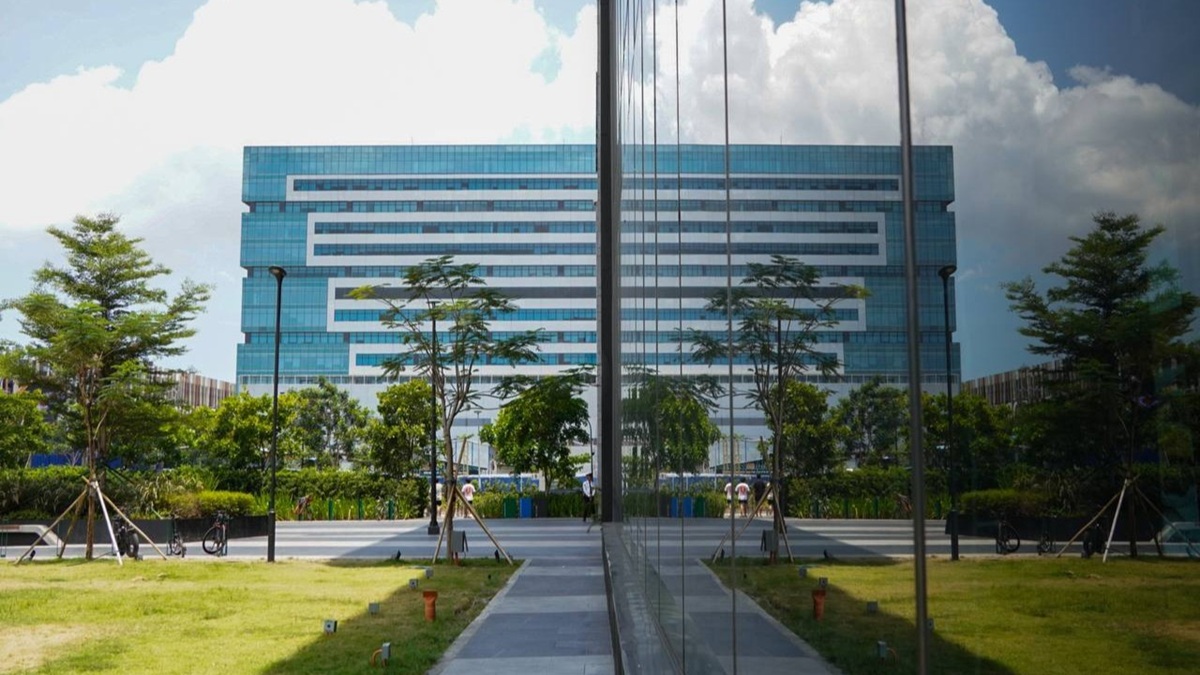
Breaking away from this outdated model is Aseana City, a rising district in the southern part of Metro Manila, developed by D.M. Wenceslao and Associates, Inc. (PSE: DMW). More than just a commercial hub, Aseana City is being carefully shaped into a “15-minute City”—a progressive urban concept where everything you need, from offices to shops to essential services, is just a short walk away.
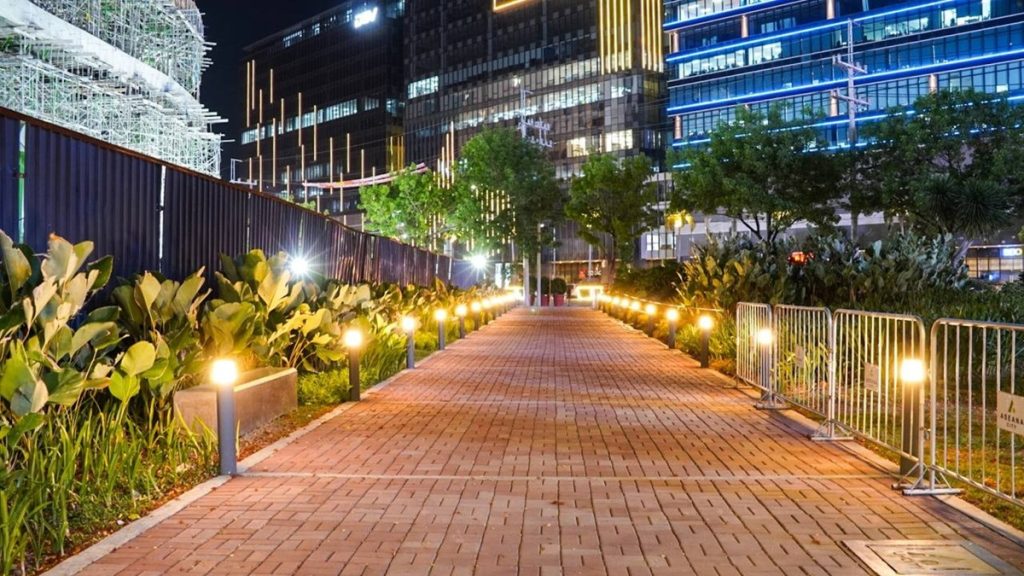
“At Aseana City, we believe that a city built for people is a city that thrives,” says Buds Wenceslao, CEO of DMWAI. “Our walkable design not only brings convenience, but also promotes healthier, more connected lifestyles.”
Aseana’s streetscape is a nod to smart, human-centered design. Wide, shaded sidewalks, dedicated bike lanes, open green parks, and well-planned recreational zones make it easy—and enjoyable—for people to stay active and engaged throughout the day. Whether it’s a morning jog, a quick walk to lunch, or a relaxing stroll after work, the environment encourages movement and wellness.
Beyond just aesthetics, DMWAI is investing in sustainable infrastructure that redefines city living. Green spaces, integrated transport hubs, and pedestrian-focused developments reduce reliance on private vehicles and pave the way for a low-carbon lifestyle. The goal is simple but impactful: to build communities where sustainability, health, and human connection are part of everyday life.
As more areas continue to prioritize traffic flow over foot traffic, Aseana City sets a new benchmark for what a city can—and should—be: walkable, inclusive, and designed for people first.